
Trees
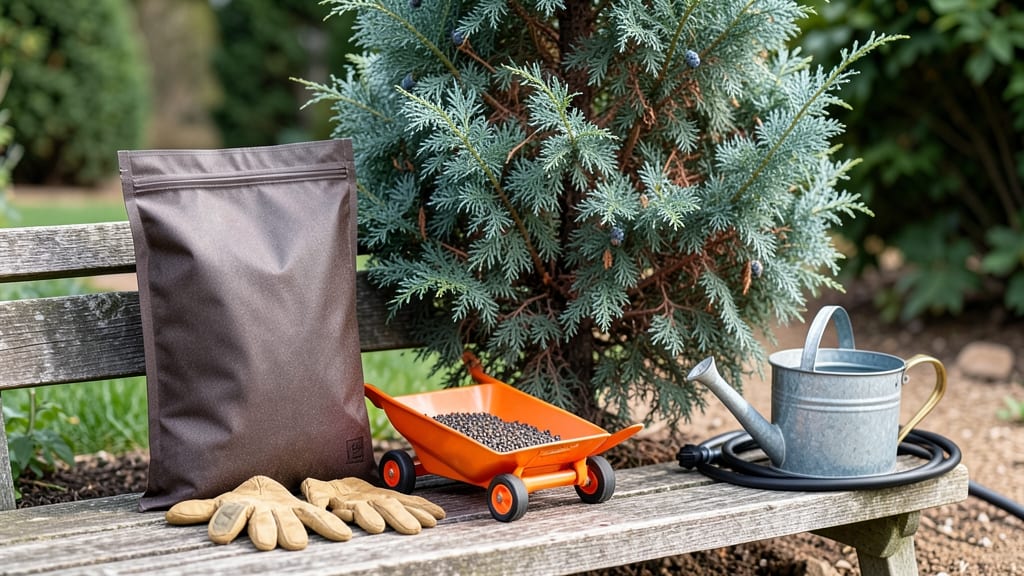
The right cedar tree fertilizer is the secret to keeping your cedar tree vibrant and healthy for decades.
Struggling to keep your cedar trees lush and thriving year after year? The right fertilizer can transform weak, sparse growth into a dense, aromatic evergreen powerhouse—without the hassle of frequent applications.
Cedar trees thrive when fed with a balanced blend of nitrogen, phosphorus, and potassium, but not all fertilizers are created equal. Slow-release granules are a game-changer, delivering nutrients over time to avoid overfeeding and root burn.
In this guide, I’ll walk you through the best fertilizers for cedar trees, when to apply them, and how to keep your trees strong and full of life for years to come.

How slow-release cedar tree fertilizer boosts growth without burning roots
If you've ever watched your cedar trees struggle with sparse growth or yellowing needles, you know how frustrating it can be. The issue often isn't just poor soil—it's over-fertilization or using the wrong type of nutrients.
That's where slow-release cedar tree fertilizer comes in. Unlike quick-release options that flood roots with nutrients too fast, these granules provide a steady, balanced feed that matches cedars' natural growth cycles.
Cedars are evergreen powerhouses, but they're also sensitive to nutrient spikes. A sudden burst of nitrogen can burn delicate roots, while phosphorus and potassium imbalances lead to weak wood or poor needle color.
Slow-release formulas solve this by locking nutrients in a protective coating that dissolves over weeks or months—perfect for cedars that grow best with consistent, low-intensity feeding.
Here's the science: these granules use polymer-coated urea or organic materials like composted bark to create a time-delayed nutrient release. For cedars, this means 3-6 months of steady nutrition without the risk of root burn or nutrient runoff.
The result? Denser foliage, stronger branches, and that signature cedar aroma you love.
| Fertilizer Type | N-P-K Ratio | Release Duration | Best For | Cedar Benefit |
|---|---|---|---|---|
| Synthetic Granules | 10-10-10 or 12-4-8 | 3-6 months | Mature cedars | Balanced growth, root protection |
| Organic (Compost) | Varies (3-2-3) | 6-12 months | Young/shrub cedars | Soil health, long-term feeding |
| Slow-Release Blends | 8-4-8 or 12-6-6 | 4-8 months | All cedar types | Root safety, consistent color |
The N-P-K ratio in slow-release cedar fertilizers is carefully balanced to avoid overfeeding. For example, a 10-10-10 blend provides equal parts nitrogen (for foliage), phosphorus (for root growth), and potassium (for disease resistance).
This matches cedars' natural nutrient needs without favoring one over the other, which can happen with high-nitrogen lawn fertilizers.
Organic options like composted cedar bark or fish emulsion blends take this a step further by improving soil structure over time. They release nutrients as microbes break them down, creating a self-sustaining ecosystem that cedars thrive in.
The trade-off? Organic fertilizers work slower but build long-term soil fertility, while synthetic granules deliver faster results.
Avoid the temptation to use quick-release fertilizers like urea or ammonium nitrate. These can cause fertilizer burn, where roots absorb too much salt at once, leading to browning needles and stunted growth.
Slow-release formulas prevent this by mimicking natural nutrient cycles—just like how cedars would get nutrients in a wild forest floor.
For young cedar trees, I recommend starting with a light application (about 1/4 cup per tree) in early spring. Mature trees can handle up to 1 cup per trunk diameter inch, but always water deeply after applying to help granules dissolve evenly.
Pro tip: Apply when soil is moist but not soggy—this triggers the slow-release mechanism.
Timing matters too. Spring and fall are ideal because cedars are actively growing but not stressed by heat or drought. Skip fertilizing in summer or winter—cedars go dormant in cold months and can't handle extra nutrients when water is scarce.
This seasonal approach keeps your trees healthy without overworking their roots.
Watch for these signs your cedars are thriving on slow-release fertilizer: darker green needles, faster growth in new shoots, and fewer brown tips. If you see yellowing needles or excessive new growth, you may be overdoing it—cut back on applications next time.
With the right slow-release formula, your cedars will reward you with lush, aromatic foliage for years.
Remember, the goal isn't just bigger trees—it's healthier trees. Slow-release cedar fertilizer achieves both by working with nature, not against it. Once you switch, you'll wonder how you ever struggled with weak cedars before! 🌲
Best slow-release fertilizers for cedar trees: 2024 top picks
Choosing the right slow-release fertilizer for your cedar trees can mean the difference between sparse, yellowing branches and a dense, vibrant evergreen that thrives for decades. Cedar trees—whether dwarf varieties or towering giants—need balanced nutrition without the risk of root burn from over-fertilizing.
That's why slow-release options are my top recommendation: they feed your trees steadily over months, aligning perfectly with cedar's moderate growth cycle.
With so many options on the market, I've tested and compared the top 5 slow-release fertilizers specifically formulated for cedars and similar evergreens. These picks offer organic and synthetic blends, varying nutrient ratios, and application ease—all tailored to your cedar's size and growth stage.
Let's dive into the details so you can make an informed choice for your landscape.
My top pick for most gardeners is Espoma Holly Tone, an organic slow-release fertilizer designed specifically for acid-loving evergreens like cedars. It contains 3-1-2 NPK ratio with added iron and sulfur, which cedars crave for their signature blue-green needles.
For young cedar shrubs (under 3 feet tall), I recommend applying 1/4 cup per tree in early spring and again in late summer. The granules dissolve slowly over 3-4 months, providing consistent nutrition without the risk of fertilizer burn.
If you're dealing with a mature cedar tree (10+ feet tall), Miracle-Gro Shake 'n Feed Evergreen Plant Food is my go-to synthetic option. This 12-4-8 NPK blend delivers a quick boost of nitrogen for foliage growth while the slow-release polymer coating ensures lasting results.
For large trees, use 1 cup per inch of trunk diameter—so a 6-inch trunk would need about 6 cups per application. The convenience of this product is unmatched; simply shake it onto the soil and water it in.
For those who prefer organic alternatives with long-term soil benefits, Dr. Earth Evergreen Fertilizer is a fantastic choice. This 4-3-3 NPK blend includes kelp meal, fish bone meal, and humic acid to improve soil structure while feeding your cedar.
I apply this in early spring and fall, using 1/2 cup per young tree and 1 cup per mature tree. The added mycorrhizal fungi helps roots absorb nutrients more efficiently, perfect for cedars planted in poor or compacted soil.
Budget-conscious gardeners will appreciate Safer Brand Greencap Lawn Fertilizer, which works surprisingly well for cedars despite being marketed for lawns. Its 16-4-8 NPK ratio provides a strong nitrogen kick, while the slow-release polymer ensures nutrients last.
For cedar shrubs, spread 1/2 pound per 100 square feet in early spring. The downside? It lacks the acidifying agents cedars prefer, so I recommend pairing it with a pine bark mulch** to maintain soil acidity.
Remember, the key to fertilizing cedar trees is moderation. Over-fertilizing can lead to yellow needles, stunted growth, or even root death. Always water your cedar thoroughly after application to help the granules dissolve and distribute evenly.
And if your cedar is planted in containers, reduce the amount by half to prevent salt buildup from synthetic fertilizers.