
Trees
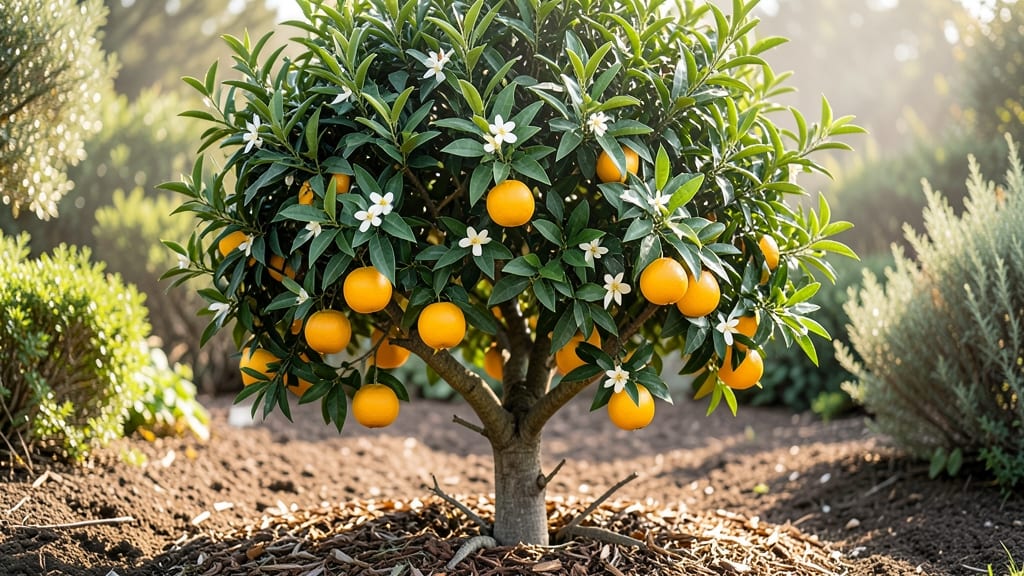
Those orange balls on your cedar tree aren’t just unsightly—they’re often a sign of cedar rust fungus or scale insects taking hold. 🌲 I’ve seen healthy cedars turn into pest magnets when these issues go unchecked, but the good news is you can tackle them before they spread.
The key is acting fast, whether it’s pruning infected branches or applying targeted treatments.
Cedar rust fungus creates those bright orange galls, while scale insects leave sticky residue and weakened branches. Both problems start small but worsen if ignored. I’ve removed entire clusters by hand in early spring, and within a season, the tree bounced back stronger.
The trick is consistency—check your cedar every few weeks during growing season.
You’ll notice fewer orange balls and healthier foliage by late summer if you prune infected branches and treat with neem oil or horticultural oil. For severe cases, a fungicide labeled for cedar rust works best. The goal is to break the pest cycle before it becomes a full-blown infestation.
Prevention is easier than cleanup: space out young cedars to improve airflow, avoid overhead watering, and monitor for early signs. If the problem persists, a local arborist can assess whether the tree needs deeper care. With the right approach, your cedar stays pest-free and thriving.
The Science Behind Cedar Balls
Those mysterious orange spherical clusters growing on your cedar tree aren’t just a quirky sight—they’re a fascinating biological response to environmental cues and tree health. Understanding why they form helps you distinguish between normal growth and potential issues. Let’s break down the key reasons behind these curious ornaments.
The most common cause of cedar tree orange balls is the female cones in their early developmental stage. Unlike the familiar woody cones we associate with cedars, these soft, orange spheres are immature female cones that develop after fertilization.
- How it works: Cedar trees are monoecious, meaning a single tree produces both male and female cones. Male cones release pollen in spring, which fertilizes the female cones. The bright orange color is due to anthocyanins—pigments that protect the developing cones from UV damage and attract pollinators.
- Timing matters: These orange balls appear in late spring to early summer and gradually harden into the classic brown cedar cones over a few months.
- Pro tip: 💡 If your tree is healthy, these are harmless and even beneficial—they’ll eventually become natural pest repellents (thanks to cedar’s natural oils).
While not always the case, insect infestations or fungal stress can sometimes lead to abnormal orange growths. Cedar trees, like other conifers, may produce gall-like formations as a defense mechanism when under attack.
- Common culprits:
- Cedar bark beetles or sawfly larvae can induce galls—swollen, orange-tinged growths where the tree isolates the pest.
- Fungal infections (e.g., Phomopsis or Seiridium) may cause discolored, spongy clusters resembling orange balls.
- How to tell the difference:
Normal Female Cones Abnormal Growths (Galls/Infections) Soft, round, and clustered in spring/summer Irregular shapes, often sticky, oozing, or accompanied by sawdust-like frass Hardens into woody cones over time May drop prematurely or cause dieback in branches - Actionable fix: 🔥 If you suspect pests, inspect for tiny holes, sawdust-like frass, or wilting needles. Prune affected branches and treat with neem oil or insecticidal soap.
Extreme weather, poor soil, or nutrient deficiencies can disrupt normal cone development, leading to unusual orange formations. Think of it as the tree’s way of saying, “Something’s off—let’s try this instead!”
- Key stressors:
- Drought or heatwaves cause cones to abort or develop abnormally, sometimes staying soft and orange longer.
- Compacted or poor soil (low in nitrogen or phosphorus) can stunt cone maturation, leading to smaller, misshapen orange clusters.
- Sudden temperature swings (e.g., late frosts after pollen release) may prevent proper fertilization.
- What to do:
- 💡 Water deeply during dry spells to support cone development.
- 🌡️ Mulch around the base to regulate soil temperature and improve moisture retention.
- 📊 Test soil pH—cedars prefer acidic to neutral soil (6.0–7.0). Amend with sulfur or lime if needed.
Most of the time, those cedar tree orange balls are simply nature’s way of growing the next generation of cones. But when they signal stress, acting early can save your tree—and your sanity! 🌿
Fixing Cedar Tree Orange Balls
If those mysterious orange balls on your cedar tree are causing concern, don’t worry—most cases are harmless or easily manageable! Below are practical solutions tailored to the most common causes, from quick fixes to long-term prevention.
Not all orange balls are pests! Cedar trees often produce cedar apples (those fuzzy orange orbs) or galls—natural growths caused by insects like the cedar apple gall wasp. These are usually harmless and may even attract beneficial wildlife.
What to do?
- Observe first: If the balls are soft, fuzzy, or attached to branches, they’re likely cedar apples or galls.
- Leave them be: These structures don’t harm the tree and often fall off on their own.
- Enjoy the aesthetics: Some gardeners love the rustic look—they can even be dried for crafts!
> 💡 Pro Tip: If you’re unsure, snap a photo and compare it to online guides before taking action.
If the orange balls are hard, woody, and packed with tiny wasp larvae, you’re dealing with cedar apple galls—a common (but manageable) pest issue.
Step-by-step fix:
- 🔥 Identify the galls: Look for round, golf-ball-sized growths on branches. Slice one open—if you see white maggots, it’s a gall wasp infestation.
- 👨🍳 Prune infected branches: Use sterilized pruning shears to cut off heavily infested branches (about 6–12 inches below the galls).
- 🔪 Remove galls manually: Wear gloves and pick off visible galls, then drop them in soapy water to kill larvae.
- 🌡️ Monitor for regrowth: Check the tree in late summer/early fall—that’s when new galls form. Repeat pruning if needed.
> ✨ Prevention Tip: Apply horticultural oil (like neem oil) in early spring to smother eggs before they hatch.
If the orange balls look mushroom-like, spongy, or covered in mold, a fungal infection (like cedar rust) might be the culprit. This is less common but can weaken trees over time.
How to treat it:
- 🍄 Remove infected debris: Rake up fallen spores and dispose of them in a sealed bag.
- 💪 Prune diseased branches: Cut off affected areas 6 inches below visible damage.
- 🌡️ Apply fungicide (if severe): Use a copper-based fungicide in early spring to prevent spread.
> 🎯 Long-Term Care: Improve airflow around the tree by thinning dense foliage and watering at the base (not overhead).
If your cedar tree shows wilted branches, oozing sap, or widespread dieback, the issue might be beyond DIY fixes. A certified arborist can assess:
- Severe pest infestations (like bark beetles).
- Disease spread (e.g., root rot).
- Structural risks (weakened wood from galls).
Healthy cedars resist pests and diseases better!
Follow these easy maintenance tips: - 💧 Water deeply but infrequently: Cedars hate soggy roots—water once a week (more in droughts). - ☀️ Prune for sunlight: Thin out dense branches to reduce humidity (fungi love damp conditions). - 🌿 Mulch properly: Use 2–3 inches of wood chips, keeping mulch 6 inches away from the trunk. - 🐞 Encourage predators: Birds and parasitic wasps naturally control gall wasps—install a birdhouse nearby!
Final Thought: Most cedar tree orange balls are no big deal, but acting early prevents bigger problems. Start with observation, then prune and protect—your tree will thank you with lush, pest-free growth! 🌲✨
Frequently asked questions
Are those orange balls on my cedar tree harmful?
Most cedar tree orange balls are harmless! They're often immature female cones or cedar apples caused by gall wasps. These structures won't damage your tree and may even attract beneficial wildlife. Only remove them if they're causing aesthetic concerns or if you notice signs of severe infestation.
How can I tell if the orange balls are from pests or natural growth?
Natural cedar apples are fuzzy and soft, while pest-related galls are usually hard and may contain tiny white larvae. Look for sawdust-like frass or sticky residue around the balls - these are clear signs of an insect infestation that needs attention.
What's the best time of year to remove cedar galls?
Remove cedar galls in late summer or early fall when they're most visible and before new eggs can hatch. This timing helps break the pest life cycle. Always wear gloves and dispose of galls in sealed bags to prevent spreading larvae.
Will pruning my cedar tree help with orange ball problems?
Yes! Pruning improves airflow and removes infected branches. Cut back 6-12 inches below visible galls using sterilized tools. Thin out dense branches in early spring to reduce humidity, which helps prevent fungal infections that can create abnormal orange growths.
Can I use household products to treat cedar tree orange balls?
For mild cases, you can use neem oil or insecticidal soap diluted according to package instructions. Spray affected areas in early spring. Avoid harsh chemicals like bleach or household cleaners, as they can damage the tree's bark and soil.