
Plants
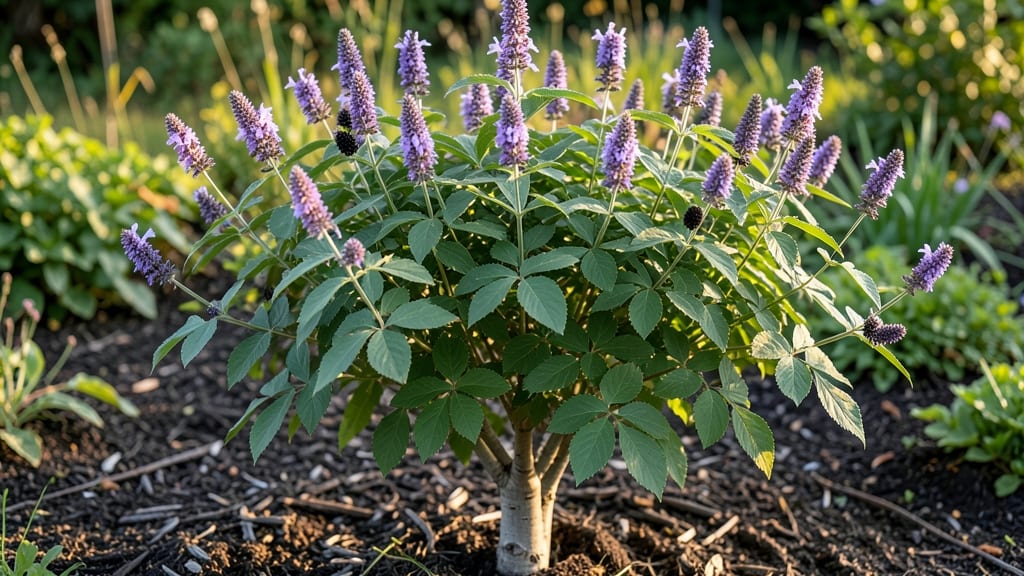
The chaste tree in Spanish is called vitex agnus-castus or hiedra agnus-castus, though regional names like monk’s pepper (pimienta de monje) or abrotano macho (male broom) also appear in Latin American and Iberian contexts. Its botanical genus, Vitex, remains consistent across Spanish-speaking regions.
The chaste tree (vitex agnus-castus) gets its name from its historical use in monastic traditions, where it was believed to promote chastity—hence the Latin agnus-castus ("chaste lamb"). 🌿 In Spain, it’s often called hiedra agnus-castus (ivy-like), while Mexican herbalists refer to it as pimienta de monje ("monk’s pepper") due to its peppery aroma.
This versatile shrub thrives in Mediterranean climates and has been used for centuries in teas and tinctures for hormonal balance. The genus Vitex itself is a dead giveaway—it’s the same family as lilacs and privet, though the chaste tree stands out for its silvery leaves and purple flowers.
What’s fascinating is how regional names reflect local uses: in Argentina, it’s hierba de los monjes ("monks’ herb"), while in Portugal, abrotano macho ties it to the broom family. 🌍 These variations show how the plant adapted to different cultural needs—from European monasteries to Latin American folk medicine.
Whether you’re gardening or studying herbalism, knowing these names helps you identify the plant accurately in Spanish-speaking regions.
💡 In This Article
- Botanical and Historical Names for Chaste Tree in Spanish
- Regional Spanish Names and Cultural Uses of Chaste Tree
Botanical and historical names for chaste tree in Spanish
The name vitex agnus-castus comes from its Latin roots, where vitex refers to its place in the Verbena family, known for aromatic shrubs.
The agnus-castus portion literally translates to "chaste lamb" (cordero casta in Spanish), reflecting its medieval reputation as a plant that promoted purity and restraint—hence its use in monastic communities. 🌿 This connection to chastity stems from its active compound, agnuside, which interacts with dopamine receptors in the brain, historically believed to suppress libido.
The scientific name vitex itself dates back to ancient Roman times, when Pliny the Elder documented its medicinal uses. In Spanish botanical texts, you’ll often see it written as hiedra agnus-castus ("ivy-like chaste tree") due to its climbing habit and similar leaf structure to ivy.
The genus Vitex includes over 250 species, but only V. agnus-castus carries this specific historical and medicinal significance. 🌍 Interestingly, the plant’s flowers—small, lavender-purple spikes—were traditionally used in Christian rituals, further embedding its "chaste" reputation.
What’s fascinating is how the name agnus-castus evolved in Spanish-speaking regions. In religious contexts, it became hierba del cordero ("lamb’s herb"), while herbalists emphasized its peppery aroma, leading to pimienta de monje ("monk’s pepper") in Mexico.
This duality—spiritual and medicinal—shows how names adapt to cultural narratives. The plant’s silvery-green leaves and fragrant flowers also contribute to its identification, making it recognizable even without the Latin name.
Medieval European monasteries cultivated chaste tree extensively, using it in teas and tinctures to treat menstrual irregularities and hormonal imbalances. This historical use explains why Spanish names often reference monastic traditions (hierba de los monjes in Argentina).
The plant’s adaptability to Mediterranean climates—where it thrives in well-drained soil and full sun—meant it spread easily across Spain, Portugal, and Latin America. 🌱 Today, its botanical name remains consistent, but regional variations reflect centuries of cultural exchange.
One key detail is how the plant’s scientific classification (Vitex agnus-castus) differs from its common names. While vitex is universal, Spanish speakers might call it abrotano macho ("male broom") in Spain or hiedra agnus-castus in Argentina, showing linguistic diversity.
This variation isn’t just about language—it’s about how different cultures integrated the plant into their traditions, from European monasteries to Latin American folk medicine.
The chaste tree’s name also reveals its botanical quirks: its leaves are opposite (paired along the stem) and its flowers grow in dense spikes, unlike typical ivy.
This unique structure helps distinguish it from lookalikes, like the unrelated Vitex negundo (Chinese chaste tree), which lacks the same medicinal properties. 🌿 Understanding these details makes it easier to identify the plant in gardens or herbal shops across Spanish-speaking regions.