
Pruning
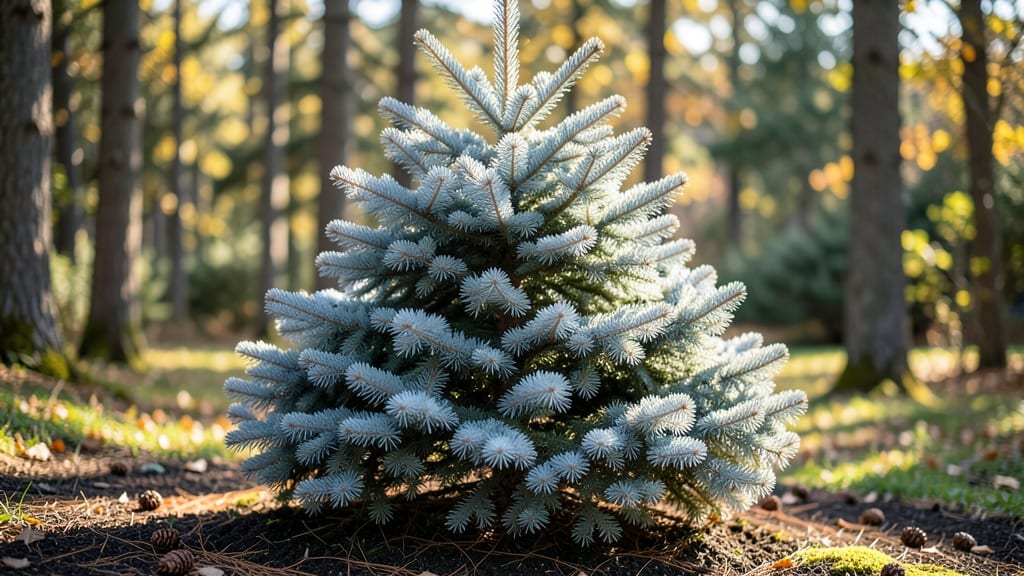
Your Christmas tree Colorado spruce won't just survive winter—it'll stand tall and vibrant for decades with the right pruning. 🌲 I've seen these trees go from scraggly to showstopping in just a few seasons, and the secret lies in timing, technique, and a little seasonal TLC that keeps them healthy year-round.
The magic starts with full sun and well-draining soil, but most people mess up the pruning part. Cut back those leggy branches in late winter (before new growth starts) and shape it like a pyramid—not a lopsided mess.
The blue-green needles stay lush, the structure stays strong, and you'll have a tree that doubles as a Christmas centerpiece and a year-round landscape star. By summer, you'll notice denser growth at the base and fewer bare spots near the top.
That's when you know you're doing it right—the tree looks fuller, resists pests better, and keeps its signature silvery-blue hue even in harsh winters. The best part? You can harvest it as a Christmas tree in 10-15 years without sacrificing its ornamental value.
Works for both backyard gardens and commercial lots—just adjust the scale. Let's get those shears ready and turn that spruce into a masterpiece.
📚 In This Guide
- What you need
- Instructions
- Tips and common mistakes
- Wrapping up and next steps
What you need
- ● 1-2 Colorado Blue Spruce (Picea pungens) seedlings – Choose healthy, disease-free saplings (3–5 feet tall for best pruning results).
- ● Well-draining soil mix – 50% native soil + 50% organic matter (compost or peat moss).
- ● Slow-release fertilizer (10-10-10 or 12-12-12) – 1–2 lbs per tree, applied in early spring and fall.
- ● Mulch (3–4 inches of pine bark or wood chips) – Helps retain moisture and regulate soil temperature.
- ● Watering can or drip irrigation system – Spruces need 1–1.5 inches of water per week (more in hot/dry climates).
- ● Sharp bypass pruners – For clean cuts on branches <¼ inch thick.
- ● Loppers (for thicker branches) – Ideal for branches ½–1.5 inches in diameter.
- ○ Pruning saw (optional) – For branches thicker than 1.5 inches.
- ● Disinfectant (70% isopropyl alcohol or bleach solution) – Clean tools between cuts to prevent disease.
- ● Garden gloves & safety goggles – Protect hands and eyes from sap and debris.
- ● Tree growth regulator (e.g., Paclobutrazol) – Slows excessive growth if needed.
- ● Soil pH tester – Colorado Spruces prefer slightly acidic soil (pH 5.0–6.5).
- ● Tree ties or stakes (for young saplings) – Provides support in windy areas.
- ● Fungicide (copper-based or neem oil) – Prevents rust or blight if your area is prone to fungal issues.
Instructions for cultivating a healthy Colorado Blue Spruce
Here's how to nurture a vibrant Colorado spruce through every season.
🌱 Step 1: Select the Perfect Planting Site
The Colorado Blue Spruce thrives in full sun to partial shade, with at least 6 hours of direct sunlight daily. Choose a location with well-draining soil—these trees despise soggy roots. I always test the soil first by digging a 12-inch hole and checking for water pooling. If it drains slowly, amend with 2-3 inches of coarse sand mixed into the native soil before planting.
Young saplings need protection from harsh afternoon winds, which can dry out their needles prematurely. Look for a spot with natural windbreaks like fences or other trees. The ideal site balances sun exposure with shelter—this ensures steady growth without stress. If planting multiple trees, space them 10-15 feet apart to allow for mature width.
☀️ Step 2: Plant with Proper Spacing and Soil Prep
Dig a hole twice as wide as the root ball but only as deep. The top of the root ball should sit 1-2 inches above ground level—this prevents root rot from sitting water. Gently loosen the roots if they're circling tightly in the container, then place the tree in the hole and backfill with native soil mixed with compost. Water deeply to settle the soil around the roots.
Mulch the base with 2-3 inches of organic mulch, keeping it 6 inches away from the trunk to prevent moisture buildup. I use pine straw or shredded bark—it retains moisture while allowing airflow. Avoid heavy mulch layers, which can suffocate roots. After planting, water again until the soil is 6 inches deep and evenly moist.
✂️ Step 3: Prune Strategically for Year-Round Health
Prune your Colorado Blue Spruce twice yearly: once in late winter (before new growth) and again in early summer (after the first flush of growth). Remove dead, diseased, or crossing branches first—they weaken the tree and invite pests. Use clean, sharp pruners to make cuts just outside the branch collar for the cleanest heal. Never remove more than 25% of the foliage in a single session.
For shaping, focus on thinning rather than shearing. Select branches that improve airflow and light penetration to the inner tree. You'll see healthier inner growth within a year—this prevents the "broomy" look many spruces develop. Avoid heavy pruning in fall; new growth won't harden off before winter, leaving it vulnerable to frost damage.
💧 Step 4: Water Deeply and Adjust for Seasons
Water deeply once weekly during the first growing season, ensuring moisture reaches 12 inches deep. Let the soil dry slightly between waterings—soggy roots lead to yellowing needles. After the first year, mature trees need less frequent watering but benefit from deep soakings during drought. Check soil moisture by inserting a screwdriver 6 inches deep—if it resists, water again.
In winter, reduce watering to once every 3-4 weeks unless you experience an extended dry spell. Snow provides natural moisture, so only water if the ground remains frozen. Overwatering in winter can cause root rot, especially in heavy clay soils. I always monitor the tree's needles—healthy ones stay deep blue-green and firm to the touch.
⏰ Step 5: Fertilize for Lush Foliage and Disease Resistance
Apply a balanced, slow-release fertilizer (10-10-10 or 20-20-20) in early spring as new growth begins. Follow package rates for young trees—over-fertilizing burns roots and causes needle browning. For established trees, use organic options like fish emulsion in spring and kelp meal in fall. These provide micronutrients that boost color and resilience.
Monitor for signs of nutrient deficiency: yellowing needles on older growth indicate iron or nitrogen deficiency, while purple stems signal phosphorus needs. Colorado Blue Spruces are generally low-maintenance, but a light feeding in mid-summer helps sustain growth during hot spells. Always water before and after fertilizing to prevent root burn.
Tips & tricks for cultivating a thriving Colorado Blue Spruce
These essential strategies will help your Colorado Blue Spruce grow strong and vibrant for years to come.
Site Selection Insight: When evaluating potential planting spots, pay special attention to the microclimate of your yard. The 6 hours of direct sunlight requirement is non-negotiable, but the quality of that light matters too. Morning sun with afternoon shade is ideal—it prevents the intense heat that can scorch needles in hotter climates. I've seen Colorado Blue Spruces struggle in areas with afternoon sun exposure, even when total sunlight hours meet the minimum.
Root Health Foundation: The 12-inch soil test before planting is your best defense against poor drainage. If you find clay-heavy soil, don't just add sand—mix in 1 part sand to 3 parts native soil with compost to improve structure while maintaining organic matter. I've learned this the hard way after watching trees develop root rot in pure sand amendments that didn't hold moisture properly. The 1-2 inch root ball elevation above ground level is crucial too—it prevents water from pooling at the base during heavy rains.
Pruning Precision: The 25% foliage limit during pruning sessions is more important than most gardeners realize. When you remove more than this, you're essentially asking the tree to support its existing foliage with fewer resources. I recommend marking branches you plan to remove with flagging tape before making cuts—this helps you visualize the final shape and avoid over-pruning. For the late winter session, focus on removing branches that died over winter; these are prime candidates for disease and pest infestations.
Seasonal Watering Strategy: That 6-inch screwdriver test for soil moisture is brilliant because it gives you a tangible measurement. In my experience, Colorado Blue Spruces actually prefer slightly drier conditions than many other evergreens. The deep soakings during drought should penetrate until the soil is moist at 12 inches deep, but don't let the top 6 inches stay soggy. In winter, I've found that once every 3-4 weeks is often sufficient unless we have prolonged dry spells without snow cover—then I'll increase to monthly checks.
Pro Tips for Christmas Tree Colorado Spruce
- These essential strategies will help your Colorado Blue Spruce grow strong and vibrant for years to come.
- Site Selection Insight: When evaluating potential planting spots, pay special attention to the microclimate of your yard.
- Root Health Foundation: The 12-inch soil test before planting is your best defense against poor drainage.
Frequently asked questions
When is the best time to prune a Colorado Blue Spruce?
The ideal time to prune is late winter or early spring (February–March), before new growth begins. Avoid pruning in fall or winter, as this can stress the tree. For shaping, focus on removing dead or overcrowded branches—never cut more than 25% of the tree’s foliage in one season.
How do I tell if my Colorado Spruce is overpruned?
Watch for these red flags: brown needles, sparse growth, or exposed wood where branches should be. If the tree looks stunted or has bare patches, you’ve likely pruned too aggressively. Give it time to recover, and avoid heavy pruning for 1–2 years. Pro tip: Prune in stages if needed!
Can I use regular shears or should I invest in pruning tools?
For small jobs, sharp bypass pruners work fine, but for larger branches (over 1 inch thick), use loppers or a pruning saw. Avoid hedge trimmers—they tear branches and damage the tree. Pro tip: Disinfect tools with rubbing alcohol between cuts to prevent disease.
How often should I fertilize a Colorado Spruce?
Fertilize once a year in early spring (March–April) with a slow-release, acid-loving plant fertilizer (like 10-10-10). Over-fertilizing can burn roots—follow label instructions! If your tree is newly planted, skip fertilizer the first year and focus on watering.
Why are my spruce needles turning brown?
Brown needles often signal drought stress, overwatering, or pest damage. Check the soil—it should be moist but not soggy. If pests (like spider mites) are to blame, treat with neem oil. For severe browning, trim affected branches 1–2 inches above healthy growth.
Can I still use my Colorado Spruce as a Christmas tree after pruning?
Pruning in late summer or early fall (August–September) actually improves its Christmas tree potential by encouraging fuller growth. Just avoid heavy pruning within 6 weeks of harvest—let the tree recover. Pro tip: Water deeply before bringing it indoors!
Wrapping up and next steps
Growing a Christmas Tree Colorado Spruce is a rewarding journey that blends patience with the joy of nurturing a stunning evergreen. By mastering strategic pruning—whether for shape, health, or year-round beauty—you’ll ensure your tree thrives for decades.
Remember, consistency and care are key, so don’t hesitate to roll up your sleeves and give your spruce the attention it deserves!
Ready to take the next step? Mark your calendar for your first pruning session this fall—your tree (and future holiday decor!) will thank you. Happy pruning! 🌲✨