
Pruning
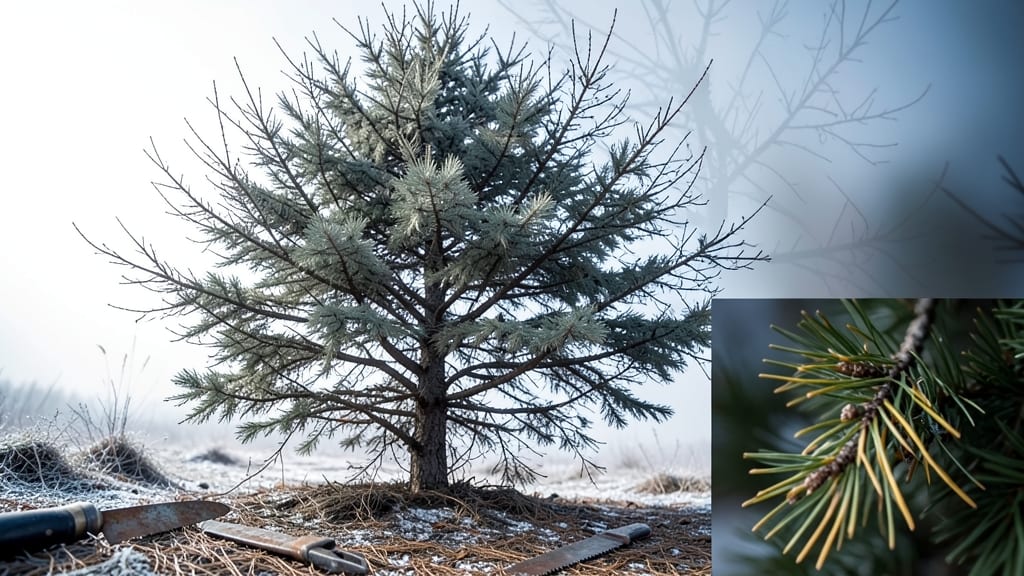
Want your Christmas tree to stay lush and vibrant all season? These pruning secrets will help you extend your tree’s beauty, save money, and reduce waste—whether you’re using a live potted tree or a cut fresh one.
Topping Control for Live Potted Trees
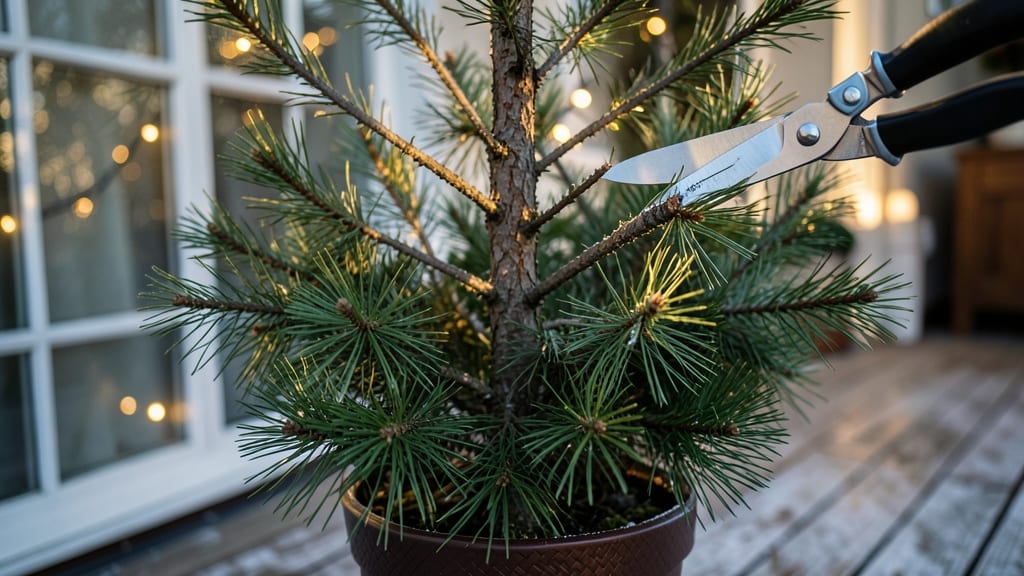
Struggling with a live potted Christmas tree that looks sparse and leggy by the holidays? A simple topping trim before bringing it indoors can transform its appearance—giving you a fuller, bushier tree that stays vibrant all season.
Use sharp pruning shears to remove the top third of the tree, focusing on the very topmost branches. This encourages side branches to fill in, creating a denser canopy. Do this outdoors in late fall, just before moving the tree inside, to minimize stress. Avoid cutting into old wood—stick to fresh, green growth for the best results.
This technique is perfect for gardeners who want to reuse their live trees year after year while keeping them looking fresh. With proper care, your tree will reward you with lush foliage that lasts well beyond Christmas. ✨
Branch Thinning for Fresh Cut Trees
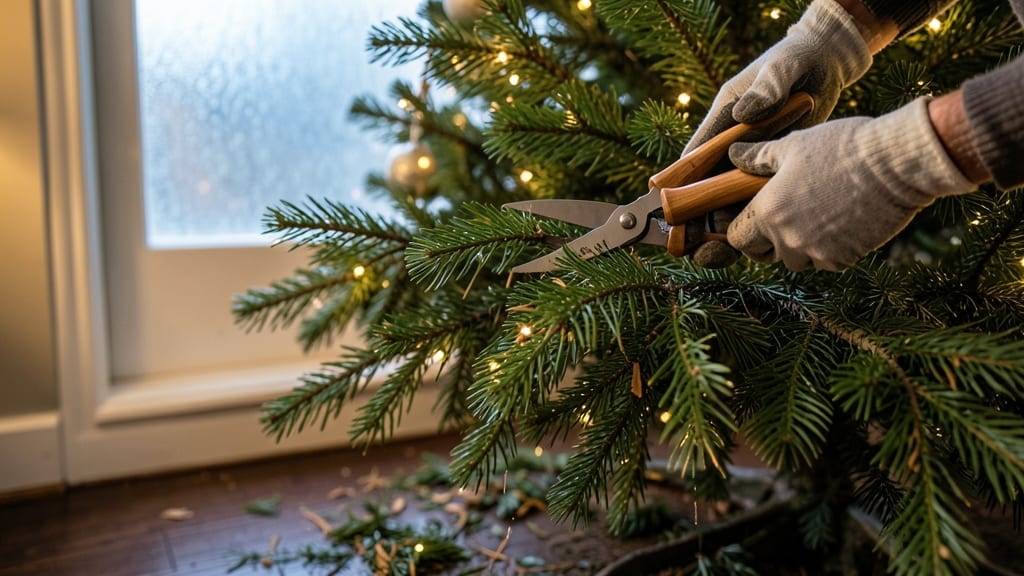
Tired of your fresh cut Christmas tree shedding needles like it’s winter in December? Branch thinning is your secret weapon—this simple pruning technique removes crowded branches to boost airflow, keeping your tree looking fresh and reducing that pesky needle drop on your floors.
Start by identifying branches that are rubbing together or growing too densely. Use clean, sharp pruning shears to cut back just a few branches—focus on the inner crown where airflow is poorest. Avoid removing more than 10-15% of the total branches, as this keeps the tree’s shape intact while improving its health. For best results, thin your tree within 24 hours of bringing it indoors to maximize its lifespan.
This method is perfect for anyone who wants a longer-lasting, mess-free holiday tree. Whether you’re decorating for a week or the entire season, branch thinning ensures your tree stays vibrant and full of life. 🌟
Root Pruning for Potted Tree Health
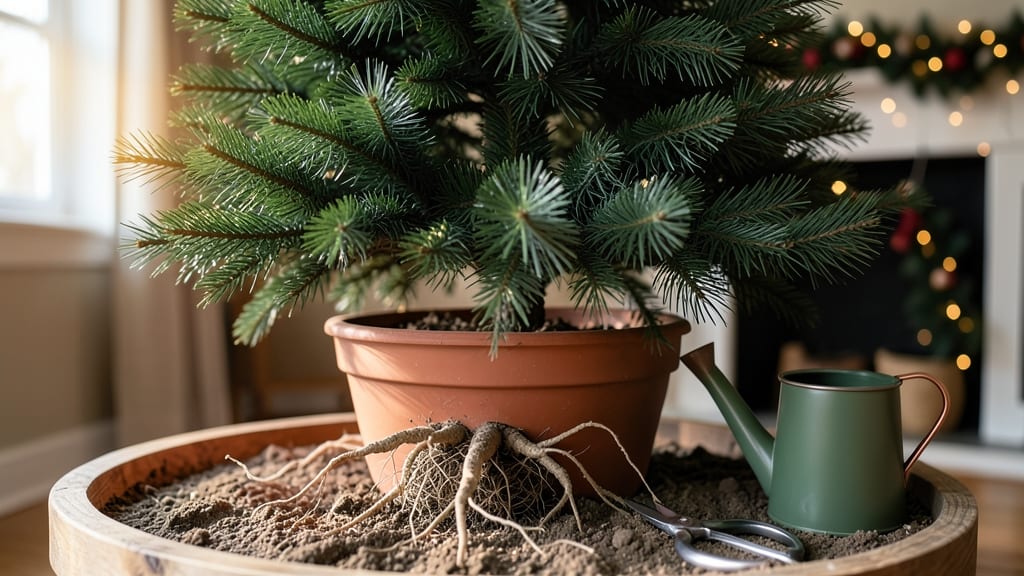
Struggling to keep your live potted Christmas tree hydrated and vibrant during the holidays? Root pruning is the secret weapon you’ve been missing. By carefully trimming the roots before planting or repotting, you encourage a stronger root system that absorbs water and nutrients more efficiently—keeping your tree thriving for weeks.
Use sterilized pruning shears to trim about one-third of the roots when you notice them circling or becoming root-bound. Focus on the outer edges to promote outward growth rather than inward tangling. After pruning, water thoroughly and add a slow-release fertilizer to support recovery. This technique works especially well for trees you plan to replant after the holidays.
Root pruning is ideal for gardeners who want to maximize their tree’s lifespan and minimize stress. It’s a simple step that makes a big difference in your tree’s ability to stay lush and healthy through the holiday season. 🌱
Needle Trimming for Aesthetic Appeal
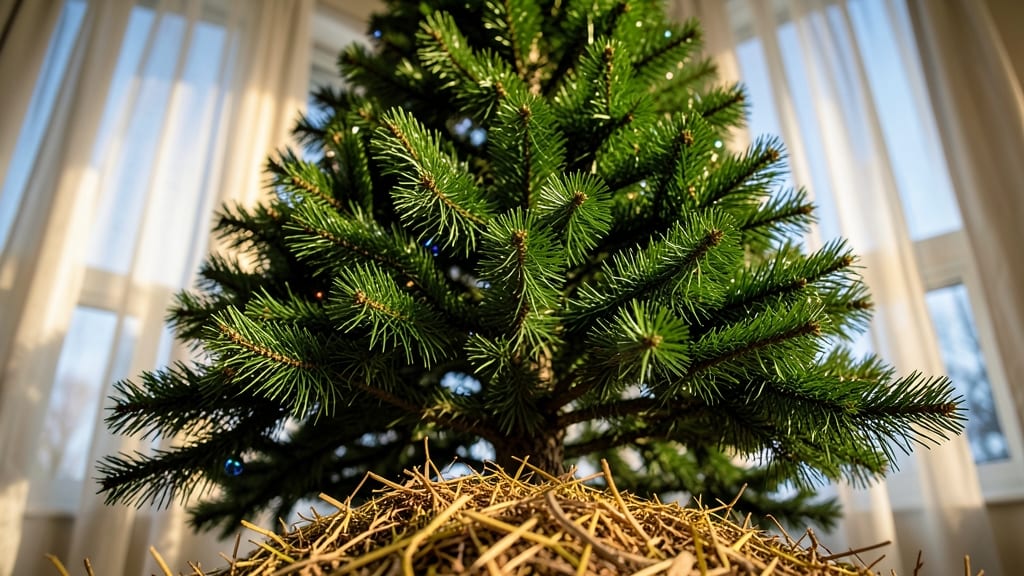
That brown or yellowing needles on your Christmas tree can ruin its festive look faster than you think—but a quick trim can turn a lackluster tree into a showstopper. This simple step removes dead foliage before display, ensuring your tree stays visually stunning from Thanksgiving to New Year’s.
Use sharp pruning shears or small scissors to snip off brown needles in clusters, focusing on the outer branches where they’re most noticeable. Avoid cutting into fresh green needles—only remove what’s already dry or discolored. For cut trees, this reduces needle drop on carpets, while live trees benefit from cleaner foliage that holds up better indoors. Spend just 10 minutes prepping your tree, and you’ll extend its "fresh-from-the-farm" appearance by weeks.
This trick is a game-changer for anyone hosting holiday gatherings—your tree will look like it just arrived, not like it’s been standing for months. Perfect for first-time tree owners or those who want to make their centerpiece shine without buying a new one. ✨
Shape Pruning for Balanced Growth
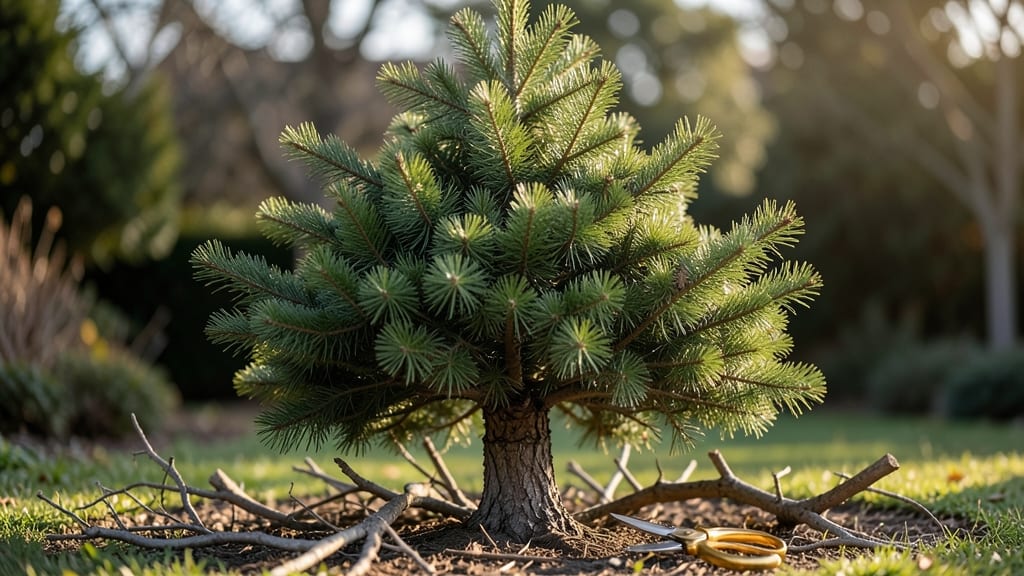
Struggling with a lopsided Christmas tree that looks more like a lopsided hat than a holiday centerpiece? Shape pruning is your secret weapon for creating a balanced, symmetrical tree that’s perfect for replanting after the holidays.
Start by identifying the tree’s natural center and focus on removing branches that disrupt its symmetry—think of it like sculpting with foliage. Use bypass pruners for clean cuts just above a bud or branch collar, and avoid removing more than 25% of the tree’s foliage in one session. For live trees, this technique encourages denser growth in sparse areas while maintaining the tree’s structural integrity.
This method is especially valuable for gardeners who want to replant their trees—it ensures the tree retains its shape and health for future holiday seasons. With a little practice, you’ll create a stunning, balanced tree that’s as beautiful outdoors as it is indoors. ✨
Watering Schedule Adjustments After Pruning
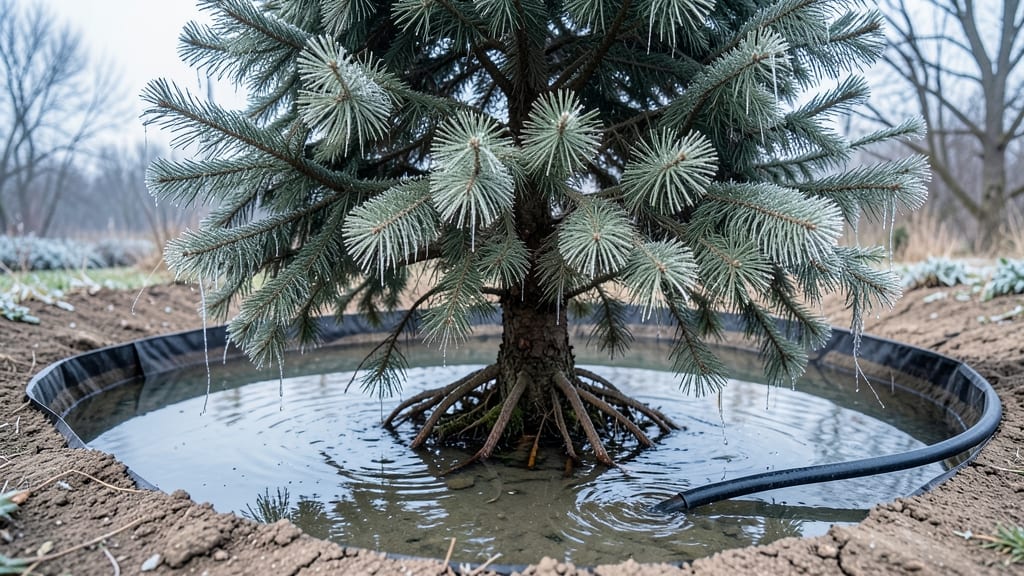
After pruning your live Christmas tree, you might notice it wilting more easily—even if you’re watering as usual. This happens because pruning creates fresh wounds that temporarily disrupt the tree’s water absorption, leaving it vulnerable to stress during the holidays.
Adjust your watering schedule by checking soil moisture daily with your finger. If the top inch feels dry, water deeply until it drains from the bottom of the pot. For the first 3-5 days post-pruning, water lightly every morning to keep needles hydrated without overwhelming the tree’s recovering system. Avoid overwatering, as soggy soil can suffocate roots.
This adjustment is especially critical for live potted trees you plan to replant—proper hydration ensures they bounce back stronger. With the right care, your tree will stay vibrant all season. 💚
Fertilizing Pruned Live Trees
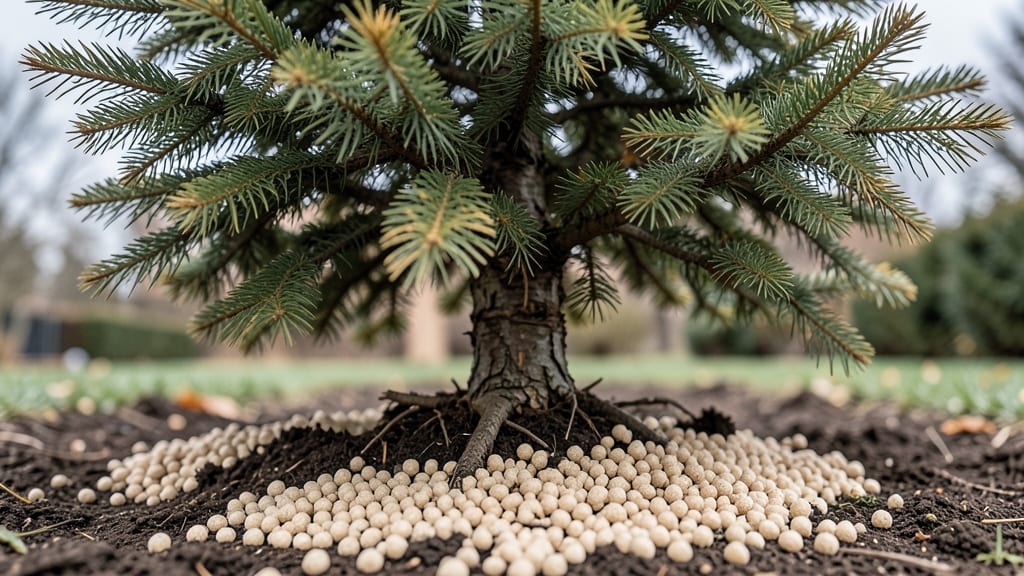
After pruning your live Christmas tree, you might notice slower growth or duller needles—this is where slow-release fertilizer becomes your secret weapon. Unlike quick-acting fertilizers, slow-release options provide a steady nutrient supply over 6-12 weeks, perfectly timed to support your tree’s recovery and holiday display.
Look for a balanced, organic fertilizer (like 10-10-10 or fish emulsion) and apply it 2-3 weeks after pruning to avoid shocking the tree. Work the granules into the top 2 inches of soil around the root ball, ensuring they don’t touch the trunk. For potted trees, follow the package instructions for dosage—over-fertilizing can harm roots.
This approach is ideal for gardeners who want to extend their tree’s indoor life while preparing it for replanting. A well-fed tree not only stays lush but also recovers faster for next year’s celebrations. ✨
Post-Holiday Pruning for Replanting
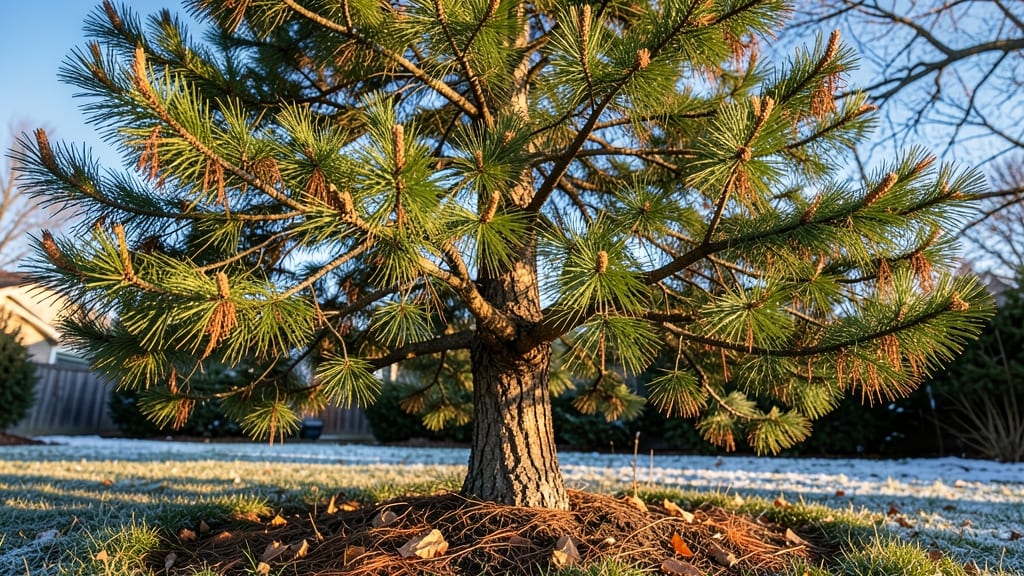
After the holidays, your live Christmas tree deserves a fresh start—especially if you’re replanting it outdoors. Post-holiday pruning isn’t just about cleanup; it’s about revitalizing growth and setting the stage for a fuller, healthier tree next year.
Start by removing any browned or damaged branches with clean cuts just outside the branch collar. Next, thin out overcrowded areas to improve airflow and sunlight penetration. For best results, prune in early spring before new growth begins, and avoid cutting more than 25% of the tree’s foliage at once. This encourages vigorous regrowth while preventing shock.
This method is perfect for gardeners who want to extend their tree’s lifespan and reduce waste. With proper pruning, your tree will bounce back stronger, ready to dazzle for holidays to come. 🌱
Pruning Tools for Precision Cuts
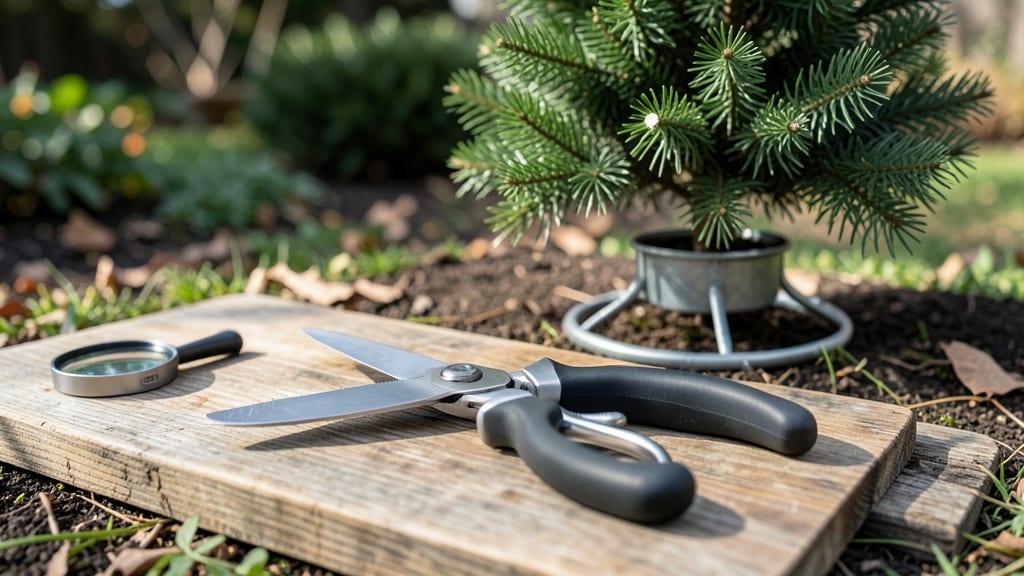
Your Christmas tree’s health starts with the right tools—sharp, clean cuts heal faster and keep branches looking fresh. Dull shears crush stems, inviting disease and slowing recovery, while precision tools ensure your tree stays vibrant from Thanksgiving to New Year’s.
Invest in bypass pruners for live trees (like Fraser firs) to make clean cuts without tearing bark, and ratchet pruning shears for thicker branches on cut trees. For delicate needle trimming, bypass loppers offer control without damaging foliage. Always sterilize blades with rubbing alcohol between cuts to prevent fungal spread.
These tools aren’t just for pros—home gardeners with live trees to replant will see the biggest benefits. A little precision now means fewer dry branches and a tree that stays lush for weeks. ✨
Avoiding Common Pruning Mistakes

Even small pruning mistakes can turn your Christmas tree into a sad, sparse shadow of its former self. Over-pruning, cutting at the wrong time, or using dull tools can stress trees so much they struggle to recover—especially if you plan to replant them after the holidays.
Avoid removing more than 25% of the tree’s foliage at once, and never prune during late winter or early spring when new growth is just starting. Instead, time pruning in late summer or early fall to give the tree time to heal before cold weather. Use sharp, clean tools to prevent disease entry points, and always cut just above a bud or branch collar.
These simple adjustments can mean the difference between a tree that thrives for years and one that fades after just one season. Perfect for gardeners who want their holiday trees to live long, happy lives! ✨