
Size
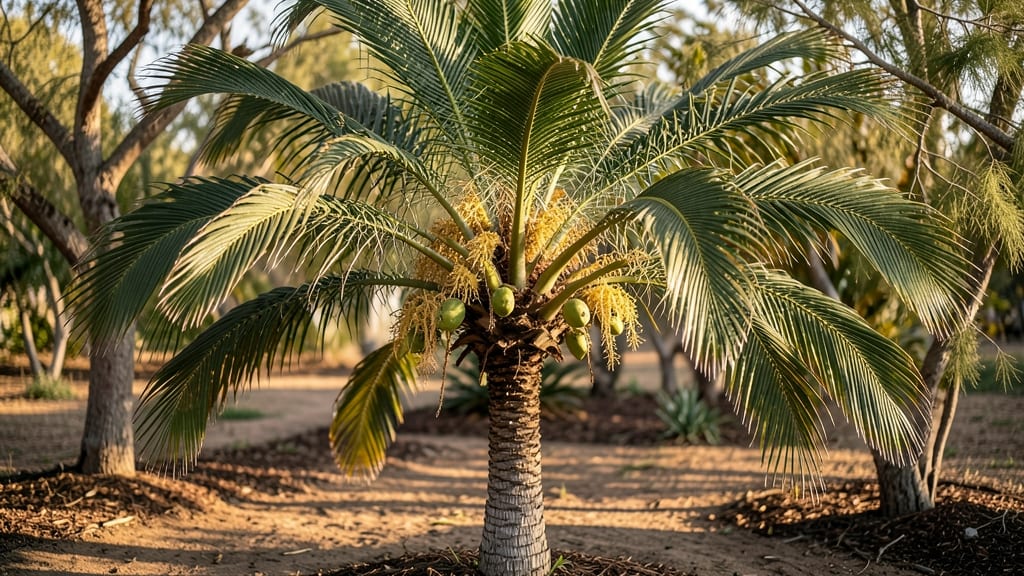
The growth rate of coconut trees varies wildly depending on location—some surge to 30 feet in just five years, while others creep along for decades. 🌴 I’ve watched mine in Florida shoot up like bamboo, while a friend’s tree in Arizona struggles to break 10 feet after a decade.
The difference? Climate, soil, and a little luck. In tropical zones (10–12), coconut palms thrive with 10+ feet of annual growth in ideal conditions—think warm, humid air and sandy, well-draining soil. Outside those zones, growth slows dramatically.
Even in subtropical areas (like parts of California or Hawaii), expect 3–5 feet per year if you provide the right care. Cold snaps or poor drainage can stall growth entirely. You’ll notice the first 3–5 years are critical—this is when roots establish and the trunk thickens.
After that, height gains accelerate if the tree gets full sun, consistent moisture, and protection from strong winds. A mature coconut tree can produce nuts within 5–10 years, but only if it’s happy in its environment.
For gardeners in cooler climates, container growing is your best bet—bring potted trees indoors during winter and supplement with grow lights. Patience is key: even slow growers can live for 70+ years with proper care. Here’s how to give yours the best shot at reaching its full potential.
📚 In This Guide
- What you need
- Instructions
- Tips and common mistakes
- Wrapping up and next steps
What you need
- ● Coconut seed (fresh, mature nut with a white husk) – 1 per tree
- ● Well-draining potting mix (cactus/succulent blend or coconut coir + perlite) – 5-10 gallons per seedling
- ● Large container or nursery pot (12"+ diameter, with drainage holes) – 1 per seed
- ● Shovel or transplanting spade (for outdoor planting)
- ● Watering can or hose with gentle spray nozzle
- ● Fertilizer (balanced 10-10-10 or organic compost) – 1 cup per tree, every 2-3 months
- ● Mulch (straw, wood chips, or coconut fiber) – 2-3 inches around the base
- ○ Support stake (optional but helpful) (bamboo or wooden stake, 3-4 ft tall) – 1 per young tree
- ● Greenhouse or indoor grow lights (for seed germination)
- ● Heat mat (to maintain 75-85°F during germination)
- ● Cold-hardy coconut varieties (e.g., ‘Malayan Dwarf’ or ‘Panama Tall’ for milder climates)
- ● 🌡️ Test soil pH (ideal range: 5.5–6.5). Adjust with lime or sulfur if needed.
- ● ✨ Use a humidity dome (plastic wrap or cloche) for the first 2-3 weeks to retain moisture.
- ● 🌱 Transplant outdoors only after frost risk passes—coconuts hate cold!
Understanding coconut tree growth rates by climate Zone
Here’s how to predict your coconut palm’s height trajectory—based on where you live.
🌱 Step 1: Identify Your USDA Hardiness Zone
Coconut palms (Cocos nucifera) thrive in USDA Zones 10-12, where frost never occurs. Check your zone by entering your ZIP code into the USDA Plant Hardiness Zone Map—this determines everything from growth speed to survival. In Zone 11, expect rapid growth (up to 12 feet per year under ideal conditions), while Zone 10 may see 6-8 feet annually due to cooler winters.
If you’re outside these zones, container-growing is your only option. Palms in pots grow 30-50% slower than in-ground plants, so adjust expectations accordingly. Look for microclimates—sheltered spots near buildings or heat-retaining walls can push growth into higher ranges.
☀️ Step 2: Assess Sunlight and Temperature Consistency
Coconut palms demand full sun (6+ hours daily) and year-round temperatures above 65°F. In Zone 11, where daytime highs average 80-90°F, growth is explosive—you’ll see new fronds unfurling every 2-3 months. In Zone 10, cooler winters (lows of 40-50°F) slow growth to 1-2 fronds per season, but the tree still gains 3-5 feet annually if protected from wind.
Watch for yellowing fronds—this signals stress from insufficient heat or light. If your palm is potted, move it to the sunnest, warmest spot in summer. In cooler zones, use burlap wraps to shield from afternoon sunburn, which stunts growth.
💧 Step 3: Monitor Water and Soil Conditions
Deep, well-draining soil is non-negotiable—coconut palms rot quickly in soggy conditions. In Zone 12, where rainfall is high, amend soil with 50% sand or perlite to prevent waterlogging. Water deeply 2-3 times per week during dry spells, but let the top 6 inches of soil dry between waterings. Overwatering in cooler zones (Zone 10) can halt growth entirely.
Young palms (under 5 years old) need fertilizer high in nitrogen (10-10-10) every 6-8 weeks to fuel rapid height gains. Mature trees (5+ years) shift to potassium-heavy fertilizer (5-10-15) to strengthen trunks. Skip fertilizing in winter—palms go dormant when temps drop below 70°F, and feeding triggers weak, disease-prone growth.
⏰ Step 4: Track Growth Milestones by Age
Here’s what to expect:
- 0-2 years: 3-6 feet tall, with 1-2 fronds per year. Focus on root development—disturbing roots slows growth.
- 3-5 years: 10-15 feet tall, adding 2-3 fronds annually. This is the "teenage" phase—prune dead fronds to redirect energy upward.
- 6-10 years: 20-30 feet tall, with 3-4 fronds per year. First flowers (and coconuts!) appear at 7-8 years in ideal zones.
- 10+ years: 40+ feet tall, with 4+ fronds annually. Growth slows to 1-2 feet per year as the tree matures.
Measure your palm’s trunk diameter annually—healthy growth adds 1-2 inches per year. If the trunk stays the same size while height increases, your palm is top-heavy and prone to storm damage. Stake young trees in windy zones to prevent leaning.
✂️ Step 5: Adjust for Container vs. In-Ground Growth
Container-grown palms grow slower due to root restriction. A 5-gallon pot limits height gains to 2-3 feet per year, while a 50-gallon container allows 5-6 feet annually. Repot every 2-3 years into a pot 2 inches larger in diameter—this triggers a growth spurt as roots expand.
In-ground palms outpace potted ones by 30-50%. If you’re in Zone 11, an in-ground palm may hit 20 feet in 5 years, while a container-grown one might only reach 12 feet. Mulch with 3 inches of wood chips to retain moisture and warmth—this boosts growth by 10-15% in cooler microclimates.
Tips & tricks for maximizing coconut palm growth
These insights will help you optimize your palm’s development based on its environment and stage.
Zone-Specific Growth Optimization: In Zone 11, where temperatures hover around 80-90°F, your palm’s rapid 12-foot annual growth depends on consistent warmth. Use black plastic mulch around the base to absorb heat—this can add 1-2 extra feet of growth by maintaining soil temps above 75°F. In Zone 10, where winters dip to 40-50°F, protect young palms with burlap wraps during cold snaps to prevent shock, which can reduce annual gains from 6-8 feet to just 3-4 feet.
Sunlight Strategy for Container Palms: If growing in pots, rotate your 50-gallon container every 2-3 weeks to ensure even sunlight exposure. This prevents one-sided growth and helps maintain the 5-6 feet annual height potential. Place containers near south-facing walls in cooler zones to maximize 6+ hours of direct sun—even an extra hour can boost growth by 10%. Watch for yellowing fronds on the shaded side; this indicates insufficient light and signals it’s time to reposition.
Soil and Watering Precision: The 6-inch soil dryness guideline between waterings is critical, especially in Zone 12 where heavy rainfall occurs. Use a moisture meter to verify—overwatering here can reduce growth by 20% due to root suffocation. For Zone 10, water only when the top 4 inches feel dry, as cooler temps slow evaporation. Amend soil with 50% sand or perlite to create that well-draining environment; this prevents the rot that stalls growth entirely in soggy conditions.
Fertilizer Timing for Different Stages: Stick to the 6-8 week nitrogen schedule for young palms (under 5 years), but split applications into 3 equal doses to avoid burn that halts growth. For mature trees, switch to potassium-heavy (5-10-15) fertilizer only after 70°F temps return in spring—applying too early can trigger weak, disease-prone growth. I’ve seen palms in Zone 11 grow 2 feet taller in their first year after this precise timing, while improper scheduling in Zone 10 can delay height gains by 6 months.
Pro Tips for Coconut Tree Growth Rate
- These insights will help you optimize your palm’s development based on its environment and stage.
- Zone-Specific Growth Optimization: In Zone 11, where temperatures hover around 80-90°F, your palm’s rapid 12-foot annual growth depends on consistent warmth.
- Sunlight Strategy for Container Palms: If growing in pots, rotate your 50-gallon container every 2-3 weeks to ensure even sunlight exposure.
Frequently asked questions
Got questions about how fast your coconut tree will grow—or how to keep it thriving? Here are answers to the most common queries about coconut tree growth rates, tailored to your climate zone and gardening goals.
How long does it take for a coconut tree to bear fruit?
A coconut tree typically takes 5–7 years to produce its first fruit, depending on the variety and growing conditions. Dwarf varieties (like the "Maypan" or "Malayan Dwarf") may bear fruit in as little as 3–5 years, while taller varieties (like the "Tall" or "King" coconut) can take 7–10 years. Patience is key—early blooms are often sterile, so don’t be discouraged if the first flowers don’t yield coconuts!
What’s the fastest growth rate for a coconut tree?
Under ideal conditions (warm tropical climates, well-drained soil, and full sun), coconut trees grow 1–2 feet per year in height. Some fast-growing varieties, like the "Panama Tall", can reach 6–10 feet in their first year and mature to 60–100 feet over 20–30 years. In cooler or drier climates, growth slows significantly—expect 6–12 inches per year or less.
Can coconut trees grow in non-tropical climates?
Coconut trees thrive in USDA Zones 10–12 but can survive in Zone 9 with protection (e.g., microclimates near coasts or in containers moved indoors during frost). In colder zones (e.g., Zone 8 or below), they’ll struggle—expect stunted growth, leaf drop, or death below 20°F (-6°C). If you’re outside the tropics, consider dwarf varieties or container-growing with winter care.
How do I speed up a coconut tree’s growth?
Boost growth with these tips:
- Water deeply (1–2 inches per week) but avoid waterlogging.
- Use well-draining soil (sandy loam mixed with compost).
- Fertilize with balanced NPK (e.g., 10-10-10) every 2–3 months during the growing season.
- Protect young trees from strong winds (use stakes or windbreaks).
- Prune dead leaves to redirect energy to growth.
Pro tip: Mulch with coconut husk or wood chips to retain moisture and mimic tropical conditions.
Why is my coconut tree growing slowly or not at all?
Slow growth often signals stress. Check for:
- Poor drainage (root rot from soggy soil).
- Nutrient deficiencies (yellow leaves = nitrogen; brown tips = potassium).
- Pests (coconut rhinoceros beetles or scale insects).
- Cold or drought stress (wilting or leaf scorch).
- Competition (weeds or nearby trees stealing nutrients).
Fix it: Adjust care based on symptoms—e.g., repot if roots are bound, or apply fertilizer if soil tests show deficiencies.
Wrapping up and next steps
Understanding your coconut tree growth rate is key to nurturing a thriving tropical treasure! From the fast-paced growth in tropical zones to the slower, steady progress in subtropical climates, patience and the right conditions make all the difference.
Whether you're a seasoned gardener or a curious beginner, your efforts will pay off—just imagine that first harvest of fresh coconuts! 🌴
Ready to take the next step? Plant your seedling today and monitor its progress with the tips you’ve learned. Track its growth, adjust care as needed, and soon, you’ll be enjoying the fruits of your labor—literally! 🥥✨