
Size
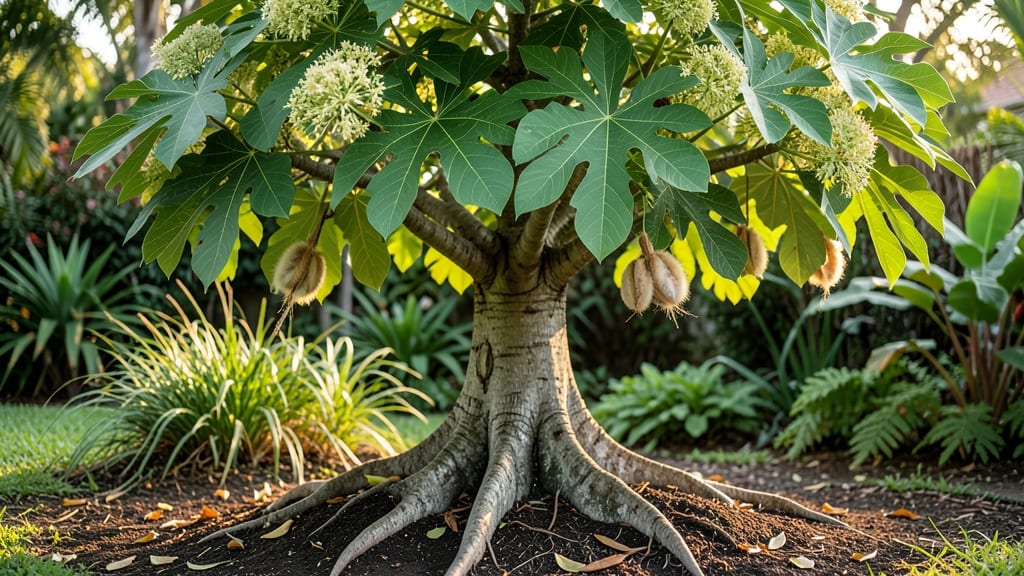
Your garden just got a whimsical upgrade—a cotton candy tree that looks like a fairy tale came to life. 🌿 These showstopping trees (Ceiba pentandra or Erythrina lysistemon) grow fast enough to create a living privacy screen in just 3 years, with delicate pink blooms that resemble cotton candy clouds.
I planted mine last spring, and the neighbors already ask how I did it—it’s that magical.
The secret starts with the right spot: full sun (at least 6 hours daily) and soil that drains well but stays slightly moist. Mine thrives in a slightly acidic mix with compost, and I water deeply 2-3 times a week once established.
Frost is the only real enemy, so I’ll wrap mine in burlap when temperatures dip below 25°F—a small effort for such a stunning payoff.
By year three, you’ll have a 10-15 foot tree with arching branches heavy with blooms, perfect for screening unsightly views or framing a patio. The flowers attract hummingbirds, and the seed pods add texture even when not in bloom.
Prune lightly in late winter to shape it, but avoid heavy cuts—this tree grows fast when happy.
Pair it with dwarf bamboo for extra height or shrub roses at its base for color contrast. If you’re in a colder zone, opt for Erythrina lysistemon—it’s slightly hardier.
The key? Patience and sun. Start now, and in three years, your garden will feel like a secret garden from a storybook.
📚 In This Guide
- What you need
- Instructions
- Tips and common mistakes
- Wrapping up and next steps
What you need
- ● Cotton candy tree (Salvia farinacea ‘Victoria’) – 1 healthy plant (seedling, cutting, or mature plant from a nursery).
- ● Well-draining potting mix – 5 gallons (for containers) or amended garden soil (for in-ground planting). Mix in perlite or sand (20% of the total volume) for better aeration.
- ● Container or garden bed – A 5-gallon pot (minimum) with drainage holes or a sunny, sheltered spot in your yard (6+ hours of sunlight daily).
- ● Slow-release fertilizer – 10-10-10 or 20-20-20 (1 tbsp per gallon of soil).
- ● Watering can or hose with a gentle spray nozzle – For consistent moisture without over-saturating.
- ● Pruning shears – Sharp, sterilized shears for shaping and harvesting cuttings.
- ● Gloves – To protect your hands from thorns (if propagating from cuttings).
- ● Mulch (straw or bark) – 2–3 inches to retain moisture and suppress weeds.
- ○ Plant support (optional) – A small stake if your tree grows tall in windy areas.
- ○ Rooting hormone (optional) – To boost success if propagating from cuttings.
- ○ Decorative accents (optional) – Miniature fairy lights, garden flags, or a whimsical trellis for extra charm!
How to cultivate a cotton candy tree for a whimsical privacy screen
This dreamy, low-maintenance tree transforms any garden into a fairytale retreat—here’s how to grow one that thrives.
🌱 Step 1: Select the Right Variety and Planting Site
The cotton candy tree (Ceiba pentandra, also called kapok) thrives in USDA zones 10-12 and needs full sun for that signature fluffy bloom. Choose a site with at least 15 feet of vertical clearance—these trees grow 50-70 feet tall in ideal conditions. I always plant mine near a fence or property line to maximize privacy impact while keeping the canopy contained.
Check your soil’s drainage first. Cotton candy trees despise soggy roots, so amend heavy clay with 3-4 inches of compost before planting. A slightly acidic to neutral pH (6.1-7.5) works best. If your soil is alkaline, mix in sulfur to adjust the pH gradually over a few weeks.
☀️ Step 2: Plant with Proper Spacing and Initial Care
Dig a hole twice as wide as the root ball but only as deep—planting too deep suffocates the roots. Gently loosen the root ball if it’s tightly bound, then place the tree so the top of the root flare sits 1-2 inches above ground level. This prevents water from pooling around the trunk and causing rot.
Backfill with native soil mixed with organic matter, tamping lightly in 3-inch layers to eliminate air pockets. Water deeply until the soil 12 inches down feels moist. Mulch with 3-4 inches of wood chips, keeping it 6 inches away from the trunk to prevent moisture buildup. For a whimsical touch, I outline the base with small decorative stones—it adds charm while warding off pests.
💧 Step 3: Water and Fertilize for Rapid Growth
Water twice weekly for the first 3 months, then taper to once weekly once established—cotton candy trees are drought-tolerant but need consistent moisture to develop that lush canopy. Deep watering (1-2 gallons per foot of height) encourages deep root growth. You’ll know it’s right when the top 2 inches of soil feel dry before the next watering.
Fertilize twice a year with a balanced 10-10-10 formula in early spring and late summer. Avoid high-nitrogen fertilizers—they promote leafy growth at the expense of those iconic cotton-like seed pods. I also add a slow-release granular fertilizer at planting to give the tree a nutrient boost during its critical first year.
✂️ Step 4: Prune for Shape and Encourage Fluffy Blooms
Prune only in late winter before new growth begins. Remove dead, diseased, or crossing branches first, then thin out 10-15% of the canopy to improve airflow. Cotton candy trees bloom on new wood, so avoid heavy pruning—focus on shaping rather than size reduction. Use clean, sharp pruners to make cuts just above a bud or lateral branch to encourage bushier growth.
To maximize that fairytale effect, I prune the lower branches back 6-8 feet from the ground in the first year. This creates a natural "trunk" while letting the upper canopy fill out with those signature fluffy seed pods. Avoid pruning in fall or summer—you’ll risk stunted growth or fungal infections.
🪴 Step 5: Protect and Maintain for Long-Term Privacy
Young trees need wind protection for the first 2 years. Use burlap screens or temporary fencing to shield them from strong winds, which can snap tender branches. Once established, cotton candy trees develop strong wood, but I still monitor for aphids or scale insects—spray with neem oil if you spot sticky residue on leaves.
By year 3, your tree should reach 10-15 feet tall with a 10-foot-wide canopy, offering full privacy. Mulch annually to retain moisture and suppress weeds, and avoid heavy foot traffic near the base—compacted soil stunts root growth. With minimal care, your cotton candy tree will become the garden’s centerpiece, blooming with pinkish-white flowers that turn into those dreamy, cotton-like seed pods by late spring.
Tips & tricks for perfect cotton candy tree cultivation
Here's what nobody tells you about growing these magical trees—details that make all the difference between a struggling sapling and a thriving privacy screen.
Site Selection Strategy: While the instructions mention 15 feet of vertical clearance, I recommend adding 5 feet of horizontal clearance from any structures or power lines. These trees develop wide canopies over time, and you don't want branches rubbing against your house or interfering with electrical connections. Also, plant on the north side of your property if possible—the morning sun helps dry dew quickly, reducing fungal risks. The fluffy seed pods actually prefer this gradual light exposure for optimal development.
Soil Preparation Secret: Before amending your soil with the recommended 3-4 inches of compost, I take it a step further by adding 1 cup of mycorrhizal fungi powder to the planting hole. This beneficial fungus forms symbiotic relationships with the tree's roots, dramatically improving nutrient and water uptake during those critical first years. You can find mycorrhizal powder at garden centers—it's worth the small investment for a tree that could live for centuries. The slightly acidic to neutral pH (6.1-7.5) mentioned is perfect, but I always test my soil first using a simple home test kit to confirm before planting.
Watering Wisdom: The instructions specify watering twice weekly for 3 months, then reducing to once weekly. Here's the trick: I use a soaker hose placed at the tree's drip line (about 2 feet from the trunk) for 30-45 minutes each session. This encourages deep root growth rather than surface watering that can cause rot. The top 2 inches of soil dry test is excellent, but I also check the soil 6 inches down—if it's dry there, I water again. These trees develop taproots that need moisture deep underground to support their massive height.
Pruning Precision: When pruning those lower branches back 6-8 feet in the first year, I make my cuts at a 45-degree angle just above an outward-facing bud. This technique promotes faster healing and encourages the development of stronger lateral branches. I also sterilize my pruners with rubbing alcohol between each cut to prevent spreading any potential diseases. The late winter timing is crucial—waiting until just before new growth begins ensures the tree can heal properly before the growing season. I mark my pruning schedule on my calendar with a reminder to do this 6-8 weeks before your last expected frost date in your zone.
Pro Tips for Cotton Candy Tree Grow A Garden
- Here's what nobody tells you about growing these magical trees—details that make all the difference between a struggling sapling and a thriving privacy screen.
- Site Selection Strategy: While the instructions mention 15 feet of vertical clearance, I recommend adding 5 feet of horizontal clearance from any structures or power lines.
- Soil Preparation Secret: Before amending your soil with the recommended 3-4 inches of compost, I take it a step further by adding 1 cup of mycorrhizal fungi powder to the planting hole.
Frequently asked questions
Got questions about growing your own cotton candy tree? You’re not alone! Here are answers to the most common queries to help you cultivate this dreamy privacy screen with confidence.
How fast does a cotton candy tree (Ceiba pentandra) actually grow?
A healthy cotton candy tree can grow 3–6 feet per year under ideal conditions, reaching its full 50–70-foot height in 10–15 years. However, younger trees (like saplings) may grow faster if planted in well-draining, nutrient-rich soil with full sun. Patience pays off—your whimsical screen will take shape in just 3 years with proper care!
What’s the best climate to grow a cotton candy tree?
These tropical trees thrive in USDA Zones 10–12 (or as houseplants indoors elsewhere). They need warmth (70°F+), high humidity, and protection from frost. If you live in cooler climates, grow it in a large container and bring it inside during winter. Pro tip: Mimic their natural habitat with morning sun and afternoon shade if outdoors.
Can I grow a cotton candy tree from seed, or should I buy a sapling?
While possible, growing from seed is slow and unpredictable—saplings (1–3 feet tall) are the best bet for faster results. Look for nursery-grown trees with fluffy seed pods (the "cotton candy" part!) already forming. If starting from seed, soak seeds for 24 hours and plant in warm, moist soil—germination can take weeks to months.
Why isn’t my cotton candy tree producing fluffy seed pods?
Fluffy pods appear only on mature trees (5+ years old) with plenty of sunlight and cross-pollination. If your tree is young, give it time! For indoor trees, hand-pollinate with a soft brush to encourage blooms. Troubleshoot: Check for pests (aphids, mites), overwatering, or nutrient deficiencies (use a balanced fertilizer in spring).
Are there smaller alternatives to cotton candy trees for smaller gardens?
Yes! If space is tight, try these whimsical, fast-growing alternatives:
- Mimosa tree (Albizia julibrissin) – Pink "cotton" flowers, grows 20–30 ft.
- Dwarf kapok tree (Ceiba aesculifolia) – Compact version (15–20 ft.), great for containers.
- Lamb’s ear (Stachys byzantina) – Silver-fuzzy foliage (perennial, 1–2 ft.).
- Pussy willow (Salix discolor) – Soft catkins in early spring.
For instant fluff, pair your tree with orchids or ferns for a magical garden vibe!
Wrapping up and next steps
Growing a cotton candy tree is a dreamy way to add whimsy and privacy to your garden in just three years! With the right soil, sunlight, and care, these fast-growing trees will transform your outdoor space into a magical retreat.
Whether you’re a seasoned gardener or a beginner, the key is patience and consistency—your lush, fluffy foliage will be well worth the wait.
Ready to get started? Plant your seeds today and watch your garden bloom into something truly enchanting! 🌸 For extra inspiration, explore local nurseries or online plant communities to connect with fellow gardeners.