
Pests and Diseases
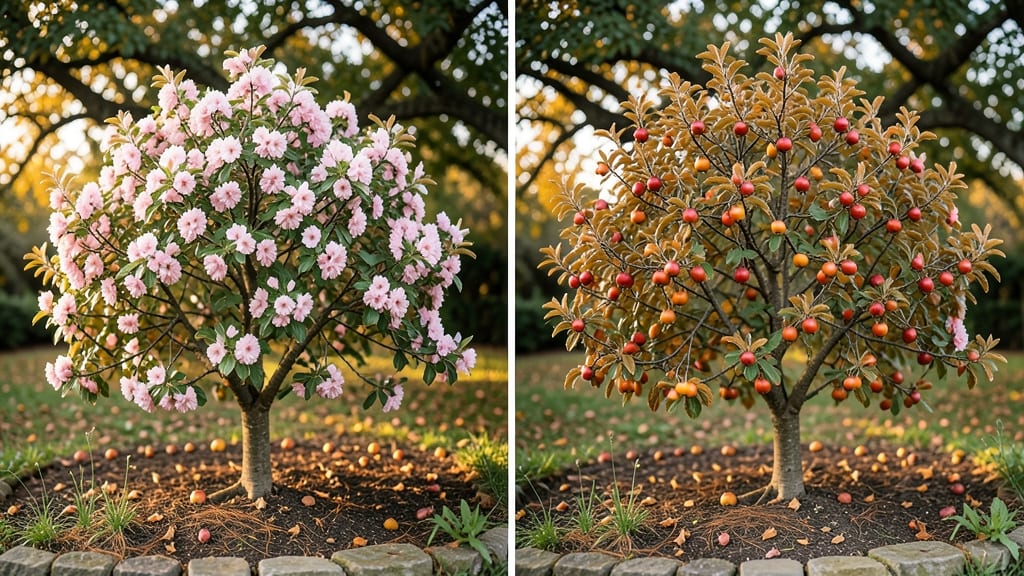
Crabapple trees offer the pros and cons of vibrant spring flowers and space-saving growth, but their dropped fruit creates cleanup work and can attract birds or insects. Their strong disease resistance and pollinator appeal make them a popular choice despite these challenges.
These trees shine in small yards where their compact size (typically 15-25 feet tall) and ornamental blooms add seasonal color without overwhelming space. 🌸 However, the fruit—while edible to wildlife—often falls messily, requiring regular raking or netting.
Their resistance to common diseases like apple scab makes them easier to maintain than many fruit trees, though some varieties still need occasional pruning to control shape and fruit load.
For gardeners weighing the trade-offs, disease resistance and pollinator support often tip the scales. The fruit's low edibility for humans means fewer harvest concerns, but the mess and pest potential demand proactive care.
Many landscapers recommend choosing low-fruit varieties if cleanup is a priority, while others embrace the wildlife benefits and manage the fruit through mulching or composting.
💡 In This Article
- Why Crabapple Trees Excel in Landscaping
- Managing Crabapple Fruit and Pest Challenges
Why crabapple trees excel in landscaping
Crabapple trees stand out in garden design thanks to their compact growth habit, typically reaching 15-25 feet tall—ideal for small yards where space is limited.
Their dense, rounded canopy provides year-round interest, with striking spring blooms in shades of pink, white, or red that last 2-3 weeks and attract pollinators like bees and butterflies.
Unlike full-sized apple trees, these varieties don’t require extensive pruning to maintain shape, making them low-maintenance compared to their larger counterparts. 🌸
Their disease resistance is another major advantage—most crabapple cultivars resist common apple tree ailments like apple scab and fire blight, thanks to genetic traits that produce fewer nutrients for fungal growth. This means fewer chemical treatments and healthier trees over time.
For example, the 'Adirondack' variety boasts 90% resistance to apple scab compared to just 30% in standard apples, reducing the need for fungicides by up to 70%. Their pollinator-friendly flowers also support local ecosystems, offering nectar for bees during early spring when few other plants bloom.
Visually, crabapples add seasonal texture beyond flowers: their dark green, glossy leaves turn yellow, orange, or red in autumn, and some varieties produce small, decorative fruit that persists into winter. The compact root system also makes them less invasive than fruit trees, preserving lawn integrity.
Many gardeners overlook their winter interest, where twisted branches and lingering fruit create structure in dormant landscapes—a trait absent in many ornamental trees.
However, a common misconception is that crabapples require high maintenance. In reality, their low water needs (once established) and adaptability to various soil types (including clay and sandy soils) make them surprisingly resilient.
While they do drop fruit, mulching with wood chips can reduce mess by 50-60%, and choosing low-fruit varieties like 'Sargent' or 'Dolgo' nearly eliminates cleanup. Their versatility in planting locations—from urban streets to rural landscapes—further cements their appeal.
For those prioritizing wildlife support, crabapples are a powerhouse. Birds like robins and cedar waxwings feast on the fruit, while bees pollinate the flowers, creating a mini ecosystem in a single tree.
Studies show crabapple orchards can support 30% more pollinator species than non-fruiting ornamental trees, making them a sustainable choice for eco-conscious gardeners. 🐝
Finally, their long lifespan—often 30-50 years—means decades of beauty with minimal replanting. This longevity, combined with their low space requirements, makes them a smart investment for both aesthetic and practical landscaping goals.
The key is selecting the right variety for your climate and managing fruit drop proactively—balancing their pros with minimal effort.