
Pruning
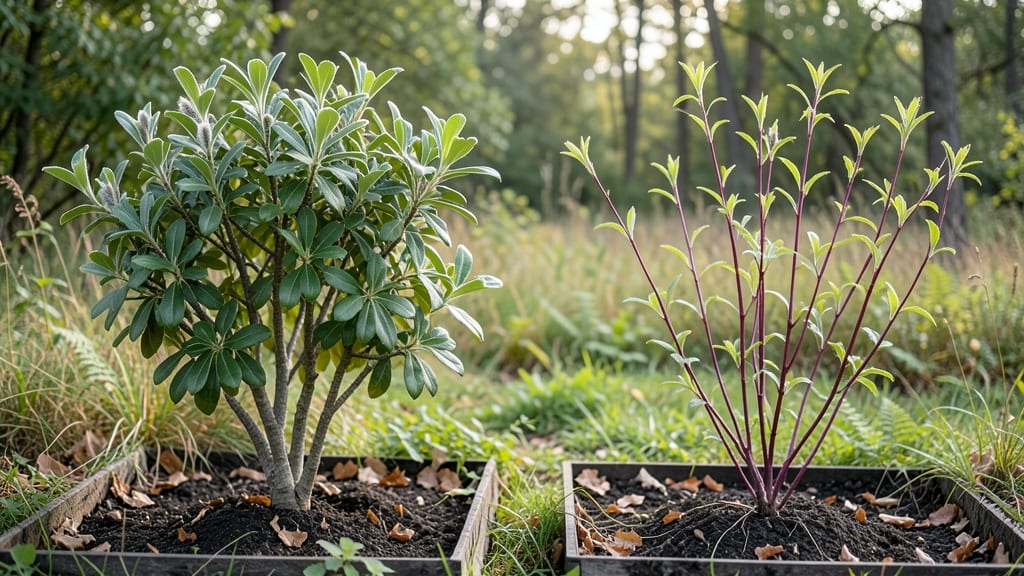
Choosing between a dappled willow tree and its shrub cousin comes down to one question: Do you want a dramatic weeping statement or a tidy, low-maintenance accent? 🌿 The tree version (Salix caprea 'Pendula') grows 15-20 feet tall with graceful, cascading branches that create a natural focal point, while the shrub stays compact at 3-6 feet—ideal for hedges or foundation plantings.
The tree’s arching branches create dappled shade perfect for patios or garden seating areas, while the shrub’s dense foliage offers instant privacy or a polished border.
Both have the same silvery-green leaves and fragrant spring catkins, but the tree’s scale demands more space—think large yards or urban parks—whereas the shrub thrives in tight spots, even containers.
If you’re after dramatic height and movement, the tree wins—but expect pruning to control its spread. For low-maintenance structure, the shrub is foolproof, needing only occasional trimming to keep its shape. Either choice adds texture and seasonal interest, just in wildly different ways.
Urban gardeners or small-space planners should lean toward the shrub, while those with room for a statement piece will love the tree’s ethereal beauty. Both bring that signature willow charm without the fuss of other fast-growing trees.
The first product explained
Meet the Dappled Willow 'Babylon' Tree—a stunning, fast-growing ornamental tree that’s perfect for adding drama and texture to your landscape! 🌿✨ This isn’t your average shrub; it’s a tree with a twist, offering lush, cascading branches that create a breathtaking, weeping effect.
Whether you're dreaming of a serene water feature backdrop, a privacy screen, or simply a showstopper in your garden, this beauty delivers.
📏 Specs & Features
Here’s what makes the Dappled Willow 'Babylon' stand out:
- Height: Matures between 15–25 feet (taller with ideal conditions!).
- Spread: Can reach 10–15 feet wide, with branches that droop elegantly like a fountain.
- Growth Rate: Rapid! Grows 3–5 feet per year under optimal care—ideal for quick landscape transformations.
- Foliage: Delicate, green-yellow leaves that turn golden in fall, adding seasonal interest.
- Sunlight Needs: Thrives in full sun to partial shade—versatile for various garden spots.
- Soil Type: Adaptable but prefers moist, well-drained soil (loves water features or damp areas!).
- Hardiness Zones: 4–9, making it a great choice for most U.S. climates.
🎯 Target Users
This tree is a dream come true for:
- 🏡 Homeowners looking to elevate their curb appeal with a low-maintenance yet high-impact tree.
- 🌊 Pond or water feature owners—its weeping branches create a magical, reflective look.
- 🌿 Eco-conscious gardeners who love native plants with wildlife-friendly traits (birds and bees adore it!).
- 🎨 Landscape designers seeking a dramatic focal point for gardens, courtyards, or urban spaces.
- 👨👩👧👦 Families with kids or pets—safe, non-toxic, and durable once established.
💰 Price Point & Value
The Dappled Willow 'Babylon' typically ranges from $49–$129 per tree, depending on size and retailer. Here’s why it’s worth every penny:
- Long-term savings: Fast growth means years of beauty without constant replanting.
- Multi-season appeal: Stunning in spring, summer, and fall—great ROI for your landscape.
- Low-maintenance luxury: Once established, it requires minimal pruning compared to shrubs.
- Privacy & shade: Matures into a natural screen, reducing energy costs in hot climates.
Pro Tip: 💡 Buy from a reputable nursery (like Fast-Growing-Trees.com or local specialists) to ensure a healthy, disease-resistant specimen. Pair it with a moisture-loving companion plant (like hostas or ferns) for a lush, cohesive look!
The second product explained
Meet the Salix caprea ‘Pendula’—the elegant Weeping Dwarf Willow Shrub! 🌿✨ If you adore the dappled charm of willows but need a more compact, low-maintenance option, this shrub is your perfect match. Unlike its towering tree cousins, this beauty stays modest in height while delivering the same dreamy, cascading foliage and airy elegance.
📏 Specs & Features
- Height: 6–10 feet (with a sprawling 8–12-foot spread)—ideal for borders, containers, or as a focal point in small gardens.
- Growth Habit: Weeping branches create a lush, curtain-like effect. Perfect for adding texture and movement to landscapes.
- Foliage: Glossy, heart-shaped leaves with a golden-yellow hue in spring, maturing to deep green. Turns buttery yellow in fall for seasonal flair.
- Flowers: Delicate catkins in early spring (before leaves emerge), attracting bees and adding a subtle pop of color.
- Sunlight: Thrives in full sun to partial shade—versatile enough for urban courtyards or shaded garden nooks.
- Soil Tolerance: Adaptable to moist, well-drained soil (but drought-tolerant once established). Avoid waterlogged conditions.
- Hardiness: Zones 4–8—survives winter chill and summer heat with ease.
🎯 Who’s It For?
This shrub is a game-changer for:
- 🏡 Homeowners with small yards or urban spaces who want a low-maintenance yet striking willow vibe.
- 🌿 Gardeners seeking fast-growing privacy screens or windbreaks (plant in clusters!).
- 🎨 Landscape designers looking to add vertical interest without the commitment of a full-sized tree.
- 🐝 Eco-conscious plant lovers—its catkins support pollinators, and its dappled shade creates a mini ecosystem.
💰 Price Point & Value
Priced between $49–$99 per shrub (depending on size and retailer), the Weeping Dwarf Willow offers big impact for small space. Here’s why it’s worth it:
- Cost-Effective: No need for expensive structural supports or frequent pruning—just shape occasionally to encourage its natural grace.
- Multi-Season Appeal: From spring blooms to fall foliage, it’s a year-round star with minimal effort.
- Versatility: Grows well in containers (great for patios!) or planted in-ground.
Pro Tip: 💡 For a bigger bang, pair it with hostas or ferns under its branches to create a whimsical woodland scene—no tree required!
Head-to-head comparison
🌿 Side-by-Side Comparison: Dappled Willow Tree vs. Shrub
Choosing between a dappled willow tree and a dappled willow shrub depends on your landscaping goals, space constraints, and maintenance preferences. Below, we break down their key differences in a clear, easy-to-digest comparison.
Whether you're dreaming of a towering canopy or a low-maintenance border, this guide helps you decide which willow fits your vision!
The most obvious difference between these two willow varieties is their vertical reach and growth pattern. Here’s how they stack up:
| Feature | Dappled Willow Tree | Dappled Willow Shrub |
|---|---|---|
| Mature Height | 15–25 feet (4.5–7.5 meters) 🌳 | 3–8 feet (0.9–2.4 meters) 🌿 |
| Growth Rate | Fast-growing (1–2 feet per year) ⚡ | Moderate (6–12 inches per year) 🐢 |
| Spread | Wide-spreading branches (10–20 feet) 🌈 | Compact, bushy form (3–6 feet) 🎯 |
| Canopy Shape | Upright with drooping branches (weeping effect) 🌊 | Multi-stemmed, rounded, and dense 🌟 |
Why it matters: If you need a statement piece for your yard, the tree wins with its dramatic height and graceful branches. But if you’re working with limited space or want a privacy screen, the shrub’s controlled growth is ideal.
Both varieties bring unique charm to your outdoor space, but their visual and functional roles differ significantly.
-
Dappled Willow Tree:
- Creates a dramatic focal point with its towering presence and delicate, weeping branches.
- Perfect for shade gardens, water features, or large lawns where height is an asset.
- Provides year-round interest with its soft, feathery foliage and potential winter bark texture.
- Pro tip: 💡 Plant near patios or decks to cast gentle, dappled shade—ideal for outdoor lounging!
-
Dappled Willow Shrub:
- Ideal for borders, hedges, or foundation plantings where space is limited.
- Offers a neat, structured look with its multi-stemmed growth, great for formal gardens.
- Works well in container gardens or as a low-maintenance privacy screen.
- Pro tip: ✨ Pair with ornamental grasses or perennials to create a layered, textured border!
Budget and upkeep are critical factors. Here’s how these two compare:
| Factor | Dappled Willow Tree | Dappled Willow Shrub |
|---|---|---|
| Initial Cost (Container-Grown) | $75–$200 (depends on size) 💸 | $30–$100 (smaller and more affordable) 💰 |
| Pruning Needs | High (requires regular pruning to control size and shape) ⏳ | Moderate (lighter pruning to maintain shape) ✂️ |
| Watering Requirements | Moderate (deep watering 1–2x per week) 💦 | Low to moderate (drought-tolerant once established) 🌧️ |
| Soil Adaptability | Flexible (thrives in moist, well-drained soil) 🌱 | Adaptable (tolerates clay or sandy soil better than the tree) 🏞️ |
| Lifespan | 20–30 years with proper care 🎂 | 15–25 years (longer if pruned well) 📅 |
Why it matters: The tree may require more time and effort to keep it looking its best, while the shrub is a low-maintenance option for busy gardeners. If you’re on a tight budget or short on time, the shrub is the clear winner!
Both willows are hardy, but their resilience varies based on environmental conditions.
-
Dappled Willow Tree:
- Susceptible to willow blight, aphids, and powdery mildew if overwatered or stressed.
- Root systems can be aggressive—may spread into pipes or foundations if planted too close to structures.
- Pro tip: 🌡️ Plant in well-draining soil and avoid waterlogging to boost disease resistance!
-
Dappled Willow Shrub:
- More disease-resistant due to its compact growth and better air circulation.
- Less likely to invade neighboring areas (roots stay contained).
- Tolerates urban conditions better, including pollution and compacted soil.
Why it matters: If you’re in an urban or high-traffic area, the shrub’s resilience makes it the smarter choice. For rural or spacious properties, the tree can thrive with proper care.
Need inspiration? Here’s how each variety fits into different landscaping styles:
| Use Case | Dappled Willow Tree | Dappled Willow Shrub |
|---|---|---|
| Shade Provision | ✅ Excellent for large areas (e.g., backyards, parks) | ❌ Limited shade (better for small spots) |