
Pruning
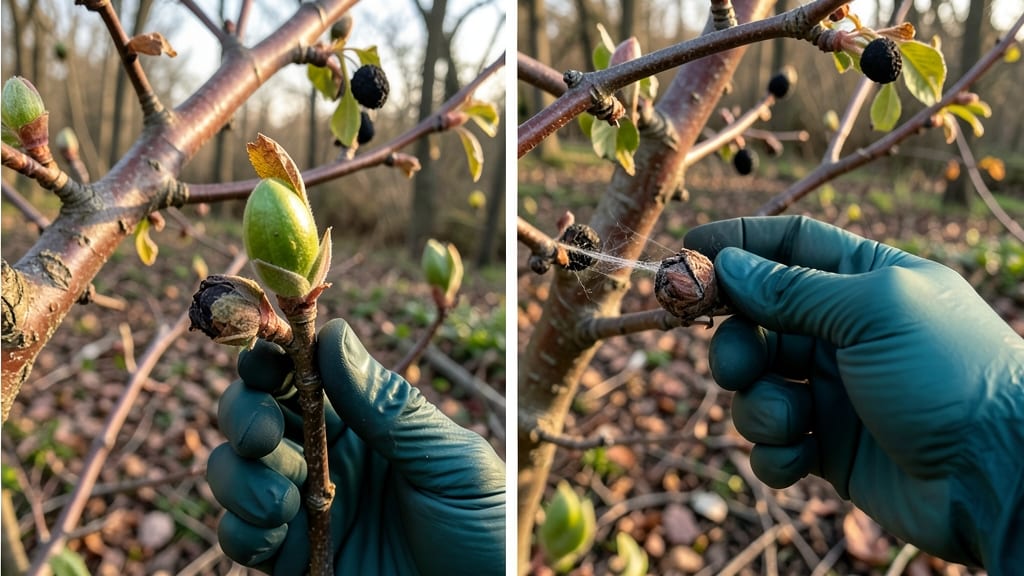
Seeing dead tree buds on your branches is like watching a garden party cancel last-minute—frustrating, but fixable. 🌿 The good news? Most bud dieback isn’t a death sentence for your tree.
Whether it’s frost damage, disease, or nutrient starvation, targeted pruning and care can coax those branches back to life—often faster than you’d expect.
First, identify the cause: dried, brown buds often mean winter damage, while mushy or oozing buds signal disease. Pests like scale or borers leave behind sawdust-like frass or tiny holes.
Once you spot the issue, prune 6–12 inches below the dead buds with clean, sharp shears—never leave stubs. This encourages fresh growth from healthy buds lower on the branch.
Reviving dormant branches starts with three key steps: prune in late winter (before new growth), fertilize with slow-release granules, and water deeply if your area’s had dry spells.
Within weeks, you’ll see tiny green swellings where buds should be—proof your tree’s fighting back. The secret? Patience and precision cuts—no aggressive hacking.
For stubborn cases, consider a foliar spray (like neem oil for pests) or a soil test to rule out deficiencies. Most trees respond within a season, but if buds keep dying year after year, consult an arborist. Your tree’s not giving up—it just needs the right help to bloom again.
Understanding Bud Failure Causes
Dead or dormant buds on trees can be frustrating, especially when you’re eager to see vibrant blooms or lush foliage. But before you panic, it’s important to understand the why behind this common issue.
Bud failure isn’t always a sign of a dying tree—it’s often a response to environmental stress, poor growing conditions, or even natural life cycles. Below, we break down the key culprits behind dead tree buds, so you can diagnose the problem and take corrective action.
---
One of the most common reasons for dead tree buds is late spring frosts or unexpected cold snaps after buds have begun to swell. Many trees, especially fruit trees and flowering varieties, are sensitive to temperature fluctuations during dormancy.
How it happens: - Buds start breaking dormancy in early spring when temperatures rise. - If a hard freeze (below 28°F/-2°C) hits after buds have swollen but before leaves fully emerge, the delicate tissue inside can freeze and die. - Some trees, like peaches, cherries, and magnolias, are particularly vulnerable because their buds open early in the season.
Actionable fix: - Monitor local frost forecasts in early spring and cover vulnerable trees with frost cloth if a freeze is predicted. - Choose late-blooming varieties if you live in a region prone to late frosts—they’re less likely to be caught off guard. - Avoid heavy pruning in late winter, as new growth is more susceptible to frost damage.
---
While cold is a well-known enemy of buds, intense heat or prolonged drought can also cause buds to dry out and die before they even have a chance to open.
How it happens: - Buds require consistent moisture to develop properly. If the tree’s root system can’t keep up with water demands (due to dry soil or shallow roots), buds desiccate (dry out) and fail to bloom or leaf out. - High temperatures can also disrupt pollination in flowering trees, leading to poor bud set the following year. - Young trees or those in container pots are especially at risk because their root zones dry out faster.
Actionable fix: - Deep water trees during drought periods—aim for 1–1.5 inches of water per week, including rainfall. - Use mulch (2–4 inches of organic material like wood chips) to retain soil moisture and regulate temperature. - If buds are already damaged, prune back dead growth in early spring to encourage new, healthier buds.
---
Pests and pathogens can infect buds directly, preventing them from opening or causing them to rot from the inside out.
Common culprits include: - Scale insects (sap-sucking pests that weaken buds) - Borers (larvae that tunnel into branches, killing buds) - Fungal infections (e.g., bacterial blight, powdery mildew, or anthracnose), which thrive in wet conditions and clog bud openings.
How it happens: - Infested buds may appear blackened, mushy, or covered in webbing/sap. - If left untreated, pests can spread to entire branches, leading to widespread bud death. - Some diseases, like fire blight, cause buds to oil over and die within days.
Actionable fix: - Inspect buds early spring for signs of pests (e.g., sticky residue, holes, or tiny insects). - Apply neem oil or horticultural oil as a preventive spray in late winter to smother overwintering pests. - Prune infected branches 6–12 inches below the damage (diseases often spread through sap) and sterilize tools with rubbing alcohol. - Improve air circulation around the tree by thinning dense foliage to reduce fungal spores.
---
Incorrect pruning timing or technique can stress buds and trigger dormancy or death. This is especially true if cuts are made at the wrong time or too aggressively.
How it happens: - Late-winter pruning (just before bud break) can expose fresh cuts to cold, increasing the risk of frost damage or disease entry. - Over-pruning removes too much foliage, reducing the tree’s ability to photosynthesize and support new buds. - Improper cuts (e.g., leaving stubs, cutting into branch collars) can seal off nutrients, starving buds of energy.
Actionable fix: - Prune in late winter or early spring (just before buds swell) for most trees, but avoid heavy cuts if frost is forecast. - Use sharp, clean tools and make cuts at a 45-degree angle just outside the branch collar. - Follow the one-third rule: Never remove more than 1/3 of the tree’s canopy in a single season.
--- Bud health relies on a balanced diet of essential nutrients. If the soil lacks key elements, buds may fail to develop properly or become weak and prone to disease.
How it happens: - Nitrogen deficiency (common in sandy or depleted soils) leads to small, stunted buds that struggle to open. - Phosphorus or potassium shortages weaken the tree’s root system and disease resistance, making buds more vulnerable. - Compacted or waterlogged soil restricts root growth, limiting the tree’s ability to absorb nutrients and water.
Actionable fix: - Test your soil (via a local extension service or home kit) to identify deficiencies. - Amend soil with compost or organic matter to improve structure and nutrient availability. - Apply a balanced fertilizer (e.g., 10-10-10) in early spring before bud break, following package instructions. - For container-grown trees, use slow-release fertilizers to avoid overfeeding, which can burn roots.
--- Not all dead buds are a cause for alarm—some trees naturally drop or fail to develop buds as part of their growth pattern.
This is common in: - Mature trees that shift energy to fruit production over foliage. - Biennial bloomers (e.g., peaches, pears) that alternate between heavy bloom years and lighter years. - Seedling trees that prioritize root and trunk growth over bud development.
How to tell it’s natural: - The rest of the tree is healthy (vigorous leaves, new shoots elsewhere). - Bud failure is consistent year after year (not sudden). - The tree still produces some blooms or leaves, just fewer than expected.
Actionable fix: - Observe the tree’s pattern—if it’s cyclical, focus on general tree health (water, soil, pruning) rather than forcing buds. - For fruit trees, thin excess fruit in heavy years to reduce stress on the tree. - If the tree is very young, be patient—buds will develop as the tree matures.
Revitalize Dormant Branches Now
Dormant or dead buds can turn your tree into a sad, lifeless sight—but the good news is, many issues are fixable with the right approach. Below, we break down practical, step-by-step solutions tailored to the root cause, plus prevention tips to keep your tree thriving.
Let’s get those branches back to life!
---
Cause: Aggressive cuts or wrong timing leave branches vulnerable to stress, leading to dead buds.
How to Fix It: 1. 🔪 Assess the Damage - Examine the tree for bark splits, exposed wood, or excessive stubs—signs of harsh pruning. - Look for water sprouts (fast-growing, weak shoots) near cuts, which drain energy.
2. 🌿 Prune Correctly This Time - Use sharp, clean tools (bypass pruners for small branches, loppers for thicker ones). - Cut at the branch collar (the swollen area where the branch meets the trunk) to promote healing. - Avoid "topping" (cutting flush to a trunk or stub)—this invites disease and rot.
3. 💧 Hydrate & Fertilize - Water deeply 1–2 times per week (adjust for drought). - Apply a balanced fertilizer (10-10-10 or slow-release) in early spring to boost recovery.
💡 Pro Tip: If buds are partially dead but the branch is still alive, wait until late winter/early spring to prune—this gives the tree time to push new growth before dormancy.
---
Cause: Freeze-thaw cycles or late-season frosts can kill buds before they open.
How to Fix It: 1. 📅 Time Your Pruning Right - **Remove dead buds after the last frost (typically late spring). Cold-weather cuts stress the tree further. - If buds are blackened or mushy, they’re dead—snip them off cleanly.
2. 🌡️ Protect Young Trees - Wrap the trunk in burlap or tree guard in winter to shield buds from windburn. - Use anti-desiccant spray (like Wilt-Pruf) on evergreens to prevent moisture loss.
3. 🍃 Encourage New Growth - Apply a root stimulator (like Mycorrhizal fungi) to help the tree recover. - Mulch 3–4 inches deep (keep it 6" away from the trunk) to insulate roots.
✨ Quick Fix: If buds are dormant but viable, wait until mid-summer—some trees (like fruit trees) may still push late-season growth.
---
Cause: Blight, canker disease, or borers weaken buds, turning them black or sticky.
How to Fix It: 1. 🔍 Identify the Culprit - Fungal signs: Powdery mildew (white coating), cankers (sunken, oozing wounds), or tar-like sap. - Pest signs: Sawdust-like frass (borer droppings) or chewed buds.
2. 🧴 Apply Targeted Treatments - For fungi: Spray copper fungicide (early spring) or neem oil (organic option). - For borers: Use systemic insecticide (like imidacloprid) or beneficial nematodes (for larvae in soil).
3. 🌿 Prune Infected Areas - Remove dead/diseased branches 6–12" below the damage to prevent spread. - Sterilize tools with rubbing alcohol between cuts.
🎯 Prevention: - Avoid overhead watering (fungi love damp foliage). - Inspect trees annually for early signs of stress.
---
Cause: Underwatering or poor soil drains energy from buds, causing them to dry out.
How to Fix It: 1. 💦 Deep Watering Routine - Water slowly and deeply (1–2 inches per week) to encourage deep root growth. - Use drip irrigation or soaker hoses to avoid wetting leaves (reduces fungal risk).
2. 🌱 Improve Soil Health - Test soil pH (ideal: 6.0–7.0 for most trees). - Amend with compost or peat moss to retain moisture.
3. 🌿 Mulch Like a Pro - Spread wood chips or straw (3–4 inches) but keep it away from the trunk. - Mulch retains moisture and regulates soil temperature.
💡 Fast Recovery Hack: For severely stressed trees, wrap the base with hydration gel crystals (like Soil Moist) to slowly release water.
---
1. 📅 Prune at the Right Time - Late winter/early spring (just before buds swell) for most trees. - Summer for fruit trees (after harvest) to avoid frost damage.
2. 🌿 Monitor Tree Health Year-Round - Fertilize in early spring (avoid late-season feeding—it encourages tender growth). - Watch for pests—early intervention saves branches!
3. 🌳 Choose Resilient Tree Species - If your area has harsh winters, opt for cold-hardy varieties like serviceberry, hawthorn, or oak.
--- Final Note: Patience is key—some trees take 1–2 seasons to fully recover. With the right care, those dormant buds can burst back to life** with vibrant new growth! 🌿🔥
Frequently asked questions
Why do some tree buds stay brown even after warm weather?
Brown buds after warm weather usually mean they’ve been fatally damaged by frost or disease. If buds were swollen when temperatures dropped below 28°F (-2°C), their internal tissue froze and died. For fungal issues, check for mushy buds with black spots—these won’t revive. The only solution is to prune them off cleanly in late spring.
Can I still get fruit from a tree with dead buds?
It depends! If only some buds are dead (like on fruit trees), healthy buds lower on the branch may still produce fruit. However, if most buds are affected, expect a poor harvest. For next year, focus on late-blooming varieties or protect buds with frost cloth during critical bloom times.
How do I tell if dead buds will regrow or if I need to prune the whole branch?
Look for green tissue beneath the dead bud—if present, the branch may still push new growth. If the entire branch is completely brown and brittle, it’s dead. Prune back to the last healthy bud or branch collar. For stubborn cases, wait until late summer—some trees produce late-season buds.
Will over-fertilizing fix dead buds?
No—over-fertilizing can actually worsen bud death by promoting tender new growth that freezes easily. Instead, use a balanced fertilizer (10-10-10) in early spring and focus on soil moisture and pruning technique. A soil test will reveal if deficiencies (like nitrogen) are the real issue.
Can I save a tree with dead buds if it’s already late spring?
Yes! Even in late spring, you can still help. Deep water the tree and apply a root stimulator to encourage new growth. Prune dead buds cleanly, and if the tree is healthy otherwise, it may produce late-season buds. For next year, protect against frost with frost cloth or choose hardier varieties.