
Pruning
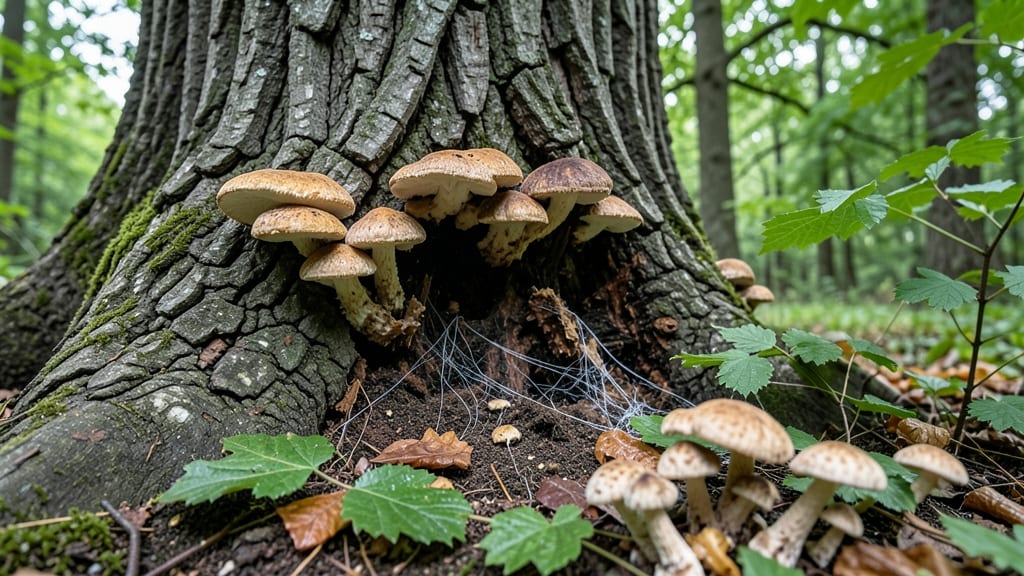
Those strange mushrooms sprouting from your elm tree aren’t just odd—they’re a warning. 🌿 I’ve seen what happens when homeowners ignore them: weakened branches, sudden limb drops, and trees that collapse under their own weight.
The key to saving your elm isn’t just pruning—it’s knowing when and how to cut to stop the rot before it spreads.
The mushrooms themselves are just a symptom—often from elm bark beetles or heart rot fungi—but the real threat is the decay they hide. Healthy elms can handle minor infections, but once the mushrooms appear, the tree’s structural integrity starts crumbling from the inside out.
The good news? Strategic pruning can buy your tree years, even decades, if you act fast and do it right.
You’ll start by removing only the infected branches—never more than 25% of the canopy at once—using clean, sharp tools to avoid tearing bark. The goal isn’t to “fix” the tree but to slow the spread while the tree’s natural defenses (if any remain) kick in.
After pruning, seal the wounds properly, and keep an eye out for new mushroom clusters as a sign the rot’s still active.
If the mushrooms keep coming back or the tree looks hollow when you tap the trunk, it’s time for the hard truth: some elms just can’t be saved.
But with the right cuts, you might just give yours a fighting chance—or at least protect your property from a sudden, dangerous fall. Let’s walk through the steps before it’s too late.
📚 In This Guide
- What you need
- Instructions
- Tips and common mistakes
- Wrapping up and next steps
What you need
- ● Pruning shears: Bypass pruners (sharp, clean, and sterilized with 70% isopropyl alcohol or bleach solution). Size: 6–8" for smaller branches.
- ● Loppers: For branches ½–2" in diameter. Quantity: 1 pair (sterilized).
- ● Pruning saw: Curved-tooth saw for thick branches (2"+" diameter). Type: Folding saw with a 10–12" blade.
- ● Disposable gloves: Nitrile or latex (thick enough to protect against sap and spores). Quantity: 2–3 pairs.
- ● Sterilization kit: 70% isopropyl alcohol in a spray bottle or 1-part bleach to 9-parts water (for cleaning tools between cuts).
- ● Heavy-duty trash bags: Kraft paper or contractor bags (30–50 gallon size) for disposing of infected branches.
- ● Marking spray: Fluorescent paint or tape (to tag branches slated for removal).
- ● Ladder or lift: Extendable 24–30 ft aluminum ladder (or professional-grade lift for tall trees). Safety: Always use stabilizers.
- ● First-aid kit: For minor cuts (elm sap can irritate skin). Include antiseptic wipes and bandages.
- ● Pruning sealant: Tree wound dressing (like Tanglefoot) to coat large cuts and reduce entry points for pests.
- ● Disposable coveralls: For heavy sap or fungal spore exposure.
- ● Camera/phone: To document infected areas before/after pruning (useful for tracking progress).
- ● Fungicide spray: Copper-based fungicide (e.g., Copper Soap) to treat tools and nearby soil post-pruning.
- ● Tree bag: Mesh bag to contain fallen branches and spores during cleanup.
How to prune elm trees to stop mushroom growth
Here’s how to tackle those unsightly mushrooms at your elm tree’s base—preventing blight while keeping your tree healthy.
✂️ Step 1: Identify and Remove Mushroom Clusters
Start by carefully inspecting the base of your elm tree for mushroom clusters. These usually appear after wet weather, thriving in damp, decaying wood or mulch. Use a sharp pruning saw or loppers to cut mushrooms at the base—don’t pull them, as this can tear the mycelium network and spread spores. Wear gloves to avoid skin irritation from fungal spores.
Remove all visible mushrooms, including the underground stems. You’ll notice the soil around the tree feels unusually damp or spongy—this is where the fungus thrives. Discard the mushrooms in a sealed plastic bag (not your compost bin) to prevent reinfection.
🌱 Step 2: Prune Infected Branches and Debris
Elm trees often develop mushrooms due to dead or dying branches that create ideal fungal conditions. Look for branches with dark, cracked bark or hollow centers—these are prime spots for infection. Cut these branches back to a healthy, outward-facing bud using clean, sterilized pruning tools. Sterilize your tools with rubbing alcohol between cuts to prevent spreading disease.
Remove any large wood chips or mulch piled against the tree trunk, as these trap moisture. Spread the remaining mulch in a 3-inch layer around the base, keeping it 6 inches away from the trunk to allow airflow. This reduces humidity and discourages fungal growth.
☀️ Step 3: Improve Airflow and Sunlight Exposure
Mushrooms love shade and dampness, so open up the tree’s canopy to let sunlight reach the base. Thin out crowded branches to allow at least 6 hours of direct sunlight daily. Focus on removing branches that block airflow near the trunk—this dries out the soil faster and makes it harder for mushrooms to return.
If your elm is in a low-lying area where water pools, consider installing a French drain or grading the soil to redirect water away from the tree. You’ll see a difference within 2-4 weeks as the soil dries out and mushrooms disappear.
💧 Step 4: Apply Fungicide and Monitor for Recurrence
Once you’ve pruned and improved airflow, treat the base with a copper-based fungicide or a baking soda solution (1 tablespoon baking soda + 1 quart water + a few drops of dish soap) to kill remaining spores. Reapply every 2-3 weeks during rainy seasons or if mushrooms reappear.
Keep an eye on the tree for new growth—if mushrooms return within 3-6 months, the fungus may have spread deeper into the roots. In this case, consult an arborist to assess root health and consider deeper soil treatments.
⏰ Step 5: Schedule Regular Maintenance
Prevent future outbreaks by pruning your elm tree once a year in late winter or early spring, before mushrooms typically appear. Remove any deadwood or weak branches immediately, as these are entry points for fungal infections. After pruning, sterilize your tools and dispose of debris properly.
Mulch lightly in spring, avoiding piles against the trunk. If your elm is older, consider a soil drench with beneficial microbes (like Trichoderma fungi) to outcompete harmful pathogens. With consistent care, you’ll keep mushrooms at bay and protect your tree’s health for years.
Tips & tricks for preventing elm tree mushroom growth
These practical strategies will help you tackle mushroom problems at the root—literally—while keeping your elm tree thriving.
Tool Preparation: Sterilizing your pruning tools between cuts is non-negotiable. I learned this the hard way after reinfecting a perfectly healthy section of my elm with contaminated tools. Use rubbing alcohol on a clean cloth between each cut to prevent spreading fungal spores. For extra protection, consider using disposable pruning bags between trees.
Mulch Management: The 3-inch layer of mulch mentioned in Step 2 is crucial, but placement matters just as much. Pile mulch away from the trunk—at least 6 inches out—to prevent moisture buildup. I've seen cases where homeowners accidentally suffocated their tree by piling mulch too close, creating the perfect damp environment for mushrooms to return. Think of it as creating a donut of mulch around your tree, not a blanket.
Sunlight Strategy: Achieving those 6 hours of direct sunlight daily can be tricky in shady yards. If your elm isn't getting enough natural light, consider strategic pruning of nearby trees or shrubs that might be casting too much shade. Even just opening up the canopy by removing a few lower branches can make a significant difference in drying out the soil and preventing mushroom regrowth.
Fungicide Follow-Up: When applying your copper-based fungicide or baking soda solution, focus on the soil surface around the base—not just the mushrooms themselves. The goal is to create a protective barrier against future spores. I've found that applying the solution after a light rain gives it better absorption into the soil, making it more effective against lingering fungal networks.
Pro Tips for Elm Tree Mushrooms
- These practical strategies will help you tackle mushroom problems at the root—literally—while keeping your elm tree thriving.
- Tool Preparation: Sterilizing your pruning tools between cuts is non-negotiable.
- Mulch Management: The 3-inch layer of mulch mentioned in Step 2 is crucial, but placement matters just as much.
Frequently asked questions
Got questions about managing elm tree mushrooms and preventing blight? You’re not alone!
Here are answers to the most common concerns—so you can prune with confidence and keep your trees thriving.
Are elm tree mushrooms always a sign of disease?
Not necessarily! While some mushrooms (like Armillaria) indicate root rot or blight, others are harmless saprophytes feeding on decaying wood. Look for yellowing leaves, oozing cankers, or wilting branches—these are red flags. If mushrooms appear after pruning, they’re likely just breaking down dead tissue.
How soon after seeing mushrooms should I prune?
Act fast if you spot Armillaria (honey-colored mushrooms) or cankers. Prune during dormant seasons (late fall/winter) to minimize stress. For other mushrooms, wait until spring or early summer—this gives you time to assess damage and plan strategically. Never prune when the tree is wet or diseased!
Can I prune infected branches myself, or should I call a pro?
Small, localized infections? You can DIY with sterilized tools and proper technique. For widespread blight or large trees, consult an arborist. They’ll assess structural risks and ensure cuts heal correctly. Pro tip: Disinfect blades with 70% alcohol between cuts to avoid spreading spores!
What’s the best alternative if my elm tree keeps getting mushrooms?
If mushrooms persist, consider removing the tree (especially if it’s Dutch elm disease-prone). For less severe cases, improve soil drainage, mulch properly, and avoid overwatering. Resistant elm varieties (like ‘Valley Forge’) may also be an option for future plantings.
Why do new mushrooms keep growing back after pruning?
Mushrooms often return because the root fungus (like Armillaria) remains active. To break the cycle:
- Remove all infected wood and roots within 12 inches of the base.
- Apply copper fungicide to cuts (follow label instructions).
- Monitor for new growth—if mushrooms reappear, the tree may need removal.
Wrapping up and next steps
Discovering how to prune elm trees to prevent elm tree mushrooms and blight spread can feel overwhelming—but you’ve got this! 🌳 By mastering the right techniques, tools, and timing, you’ll protect your tree’s health while keeping your yard safe.
Start by inspecting your tree regularly and acting at the first sign of trouble.
Ready to take action? Grab your pruners and schedule that first pruning session—your elm tree will thank you! For extra peace of mind, consider consulting a local arborist if your tree shows severe signs of blight. Happy pruning! 🌟