
Blooming
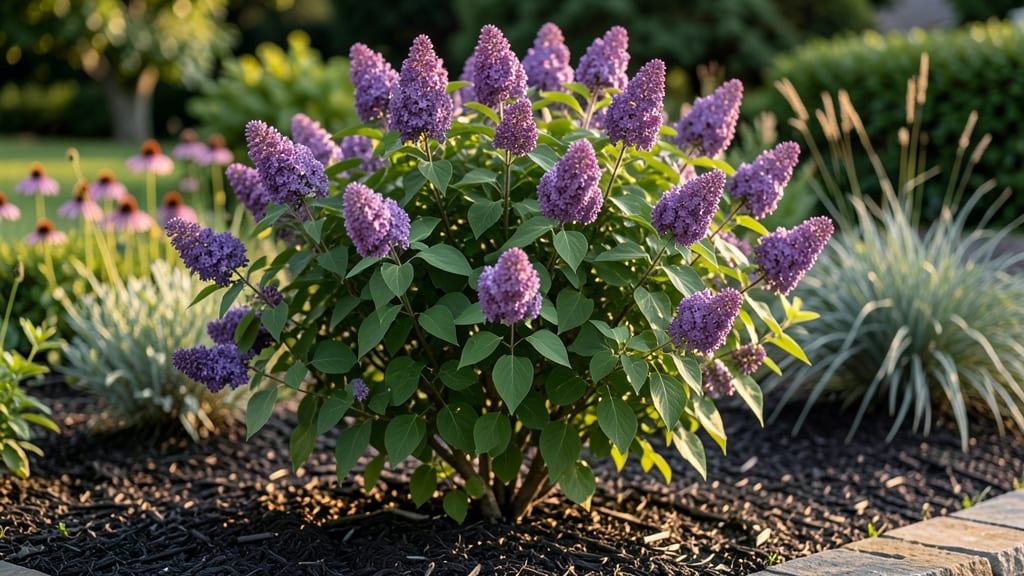
Your Bloomerang dark purple lilac tree form could bloom year-round with the right pruning—here’s how to unlock that secret. 🌿 I’ve watched this variety transform from a tangled mess into a vibrant, tree-like showstopper with just a few strategic cuts each season.
The key isn’t just when you prune, but how—and I’ll share the exact technique that keeps my lilacs flowering like clockwork, even in winter. The magic happens in late winter, when dormant buds are already forming.
You’ll cut back one-third of the oldest stems each year, always to an outward-facing bud, while leaving the newer growth untouched. This forces the plant to focus energy on fresh blooms instead of trying to recover from harsh pruning. My neighbors’ lilacs fade by July—mine keep going until frost.
By summer, you’ll see dense, dark purple clusters covering the branches, with no bare spots. The tree form stays compact and elegant, not wild like shrub varieties. Just avoid heavy pruning after mid-July—you’ll sacrifice next year’s blooms.
And if you notice yellowing leaves or powdery mildew, a simple fungicide spray in early spring keeps them looking their best. Works in zones 3-8, thrives in full sun, and handles drought once established. Here’s how to keep yours looking like a pro’s all season long.
📚 In This Guide
- What you need
- Instructions
- Tips and common mistakes
- Wrapping up and next steps
What you need
- ● Pruning shears or loppers: Sharp, clean, and disinfected (70% isopropyl alcohol works great). Opt for bypass pruners (for cuts under ½ inch) and loppers (for thicker branches, ½–2 inches).
- ● Hand pruners: For delicate trimming (e.g., shaping small branches). Look for ergonomic, bypass-style tools.
- ● Gloves: Heavy-duty, garden-grade gloves (nitrile-coated for grip and protection against thorns).
- ● Disinfectant: 70% rubbing alcohol or a commercial pruning sealant (e.g., Pruning Seal) to prevent disease spread.
- ● Pruning saw: Bow or folding saw for branches thicker than 2 inches. Carbon steel blades are ideal for durability.
- ● Ladder or step stool: Sturdy, non-slip (e.g., Aluminum extension ladder or foldable step stool) for hard-to-reach branches.
- ● Heavy-duty trash bags: 2–3 large bags (30–50 gallon) for collecting pruned branches and debris.
- ○ Marking twine or flags: Brightly colored twine or plastic flags to tag branches for removal (optional but helpful for complex pruning).
- ● Pruning paint: Tree wound dressing (e.g., Tanglefoot Tree Wound Pruning Seal) for sealing larger cuts (controversial but some swear by it!).
- ● Work apron or tool belt: Keeps shears and gloves handy while you work.
- ● Safety glasses: Protect your eyes from debris, especially when using a pruning saw.
- ● Hose with nozzle: For rinsing tools and branches post-pruning to remove sap.
- ● Notebook or sketchpad: To jot down notes on your lilac’s structure or track pruning progress over time.
Instructions for pruning a Bloomerang dark purple lilac tree form
Here’s how to coax that stunning Bloomerang Dark Purple lilac into its signature tree form—without sacrificing those fragrant blooms.
✂️ Step 1: Prune in Late Winter or Early Spring Before Bud Swell
Timing is everything with lilacs. Wait until late winter or early spring, just as buds begin to swell but before any leaves appear. This ensures you’re cutting at the right time to shape the tree form while preserving next year’s blooms. If you prune too early, you risk removing next season’s flower buds hidden in last year’s wood.
Start by removing dead, diseased, or crossing branches first. These are easy to spot—they’re brown, brittle, or growing inward toward the center. Use clean, sharp pruners to make cuts at a 45-degree angle just outside the branch collar (the swollen area where the branch meets the trunk). This prevents water from pooling and causing rot.
🌿 Step 2: Shape the Tree Form by Thinning and Selective Pruning
Now focus on creating that clean, tiered tree form. Lilacs naturally grow in a bushy habit, so you’ll need to thin out rather than shear. Remove one-third of the oldest wood from the center to open up the canopy and improve airflow. This reduces disease risk and lets sunlight penetrate to the inner branches, which encourages more blooms.
Next, select 3-5 strong, upright branches to form the main scaffold of your tree. These should be evenly spaced around the trunk and spaced 12-18 inches apart. Prune any competing branches that grow too close to these main stems—this prevents a crowded, weak structure. For the remaining branches, cut back to just above a outward-facing bud to encourage new growth in the right direction.
☀️ Step 3: Prune for Year-Round Blooms by Encouraging New Growth
Lilacs bloom on old wood, meaning flowers develop on branches from the previous year. To get year-round blooms, you’ll need to stagger your pruning slightly. After the first flush of blooms fades, lightly trim any overly long or leggy branches to encourage a second, smaller flush later in the season. Focus on 10-20% of the plant, removing only the tips of branches to prompt new growth.
Here’s the key: Never prune more than 25% of the plant in one season. Over-pruning stresses lilacs and can lead to fewer blooms. If you’ve let your lilac get too large, spread the pruning over 2-3 years to avoid shock. Always step back and visualize the tree form—you’re sculpting, not hacking.
⏰ Step 4: Post-Pruning Care for a Healthy, Blooming Tree
After pruning, water deeply to help the plant recover, especially if the weather is dry. Lilacs are drought-tolerant once established, but fresh cuts need moisture to heal properly. Apply a balanced, slow-release fertilizer (like 10-10-10) in early spring to support new growth. Avoid high-nitrogen fertilizers—they promote leafy growth at the expense of flowers.
Monitor the plant for new shoots emerging from the base or along branches. These are your signal that the pruning worked. If you notice yellowing leaves or wilting, it could mean over-pruning or stress—cut back on watering slightly and give the plant time to adjust. In late summer, you can do a light cleanup by removing any dead or unsightly growth, but avoid heavy pruning at this stage.
🌱 Step 5: Maintain the Tree Form Year After Year
To keep your Bloomerang Dark Purple lilac in tree form, prune lightly each year in late winter or early spring. Focus on removing suckers (shoots growing from the base) and thinning out any branches that crowd the center. Every 3-5 years, do a rejuvenation prune—this means cutting back one-third of the oldest wood to stimulate new growth and maintain the tree’s vigor.
Watch for flower bud formation in late summer. These are small, green swellings along last year’s branches. If you prune too late, you risk removing next year’s blooms. In fall, apply a 2-3 inch layer of mulch around the base (but not touching the trunk) to protect roots and retain moisture. With consistent care, your lilac will reward you with vibrant, fragrant blooms year after year.
Tips & tricks for perfect Bloomerang dark purple lilac tree form
Transforming your lilac into a stunning tree form takes patience and precision—here’s how to avoid common pitfalls and achieve professional results.
Timing is Critical: The window for late winter or early spring pruning is narrow—buds should just begin to swell but no leaves should appear. I’ve ruined bloom cycles by pruning too early, so mark your calendar for this exact stage. If you miss it, wait until after the first flush of blooms fades, but don’t delay beyond early summer or you risk removing next year’s flower buds entirely.
The Technique That Changed Everything: When shaping your tree form in Step 2, step back frequently to visualize the structure. I learned this the hard way after creating a lopsided shape that looked more like a windblown mess than a tree. The 12-18 inch spacing between main branches creates that elegant tiered look—use a measuring tape to maintain consistency. For the remaining branches, always cut just above an outward-facing bud to direct new growth where you want it.
Pruning Wisdom: The 25% rule is non-negotiable—never remove more than one-quarter of the plant in a single season. Over-pruning stresses lilacs and can lead to fewer blooms. If your plant is overgrown, spread the work over 2-3 years. I’ve seen gardeners cut back entire branches only to watch their lilac struggle for years to recover. For rejuvenation prunes every 3-5 years, focus on removing the oldest wood first to stimulate new growth from the base.
Post-Pruning Care: After pruning, water deeply to help the plant recover, especially in dry weather. I’ve noticed that lilacs pruned in late winter often need extra moisture as new shoots emerge. Apply a balanced 10-10-10 fertilizer in early spring to support growth without encouraging excessive leafy foliage. Mulch in fall with a 2-3 inch layer around the base (but not touching the trunk) to protect roots and retain moisture year-round.
Pro Tips for Bloomerang Dark Purple Lilac Tree Form
- Transforming your lilac into a stunning tree form takes patience and precision—here’s how to avoid common pitfalls and achieve professional results.
- Timing is Critical: The window for late winter or early spring pruning is narrow—buds should just begin to swell but no leaves should appear.
- The Technique That Changed Everything: When shaping your tree form in Step 2, step back frequently to visualize the structure.
Frequently asked questions
When is the best time to prune my Dark Purple Lilac Tree Form for maximum blooms?
The golden window is right after flowering (late spring) but before new growth hardens. Avoid pruning in fall or winter—this tree blooms on old wood, so cutting too late risks losing next year’s flowers. Pro tip: Never prune more than 1/3 of the tree at once to avoid stress.
Why isn’t my Bloomerang Dark Purple Lilac blooming as much as it should?
Lilacs often skip blooms due to over-pruning, nutrient deficiencies, or poor sunlight. Check for:
- 6+ hours of sun daily—they’re sun-worshippers!
- Well-draining soil (amend with compost if needed).
- Balanced fertilizer in early spring (10-10-10 works well).
Can I shape my Bloomerang Dark Purple Lilac into a formal hedge or topiary?
While possible, it’s not ideal—this tree thrives as a loose, airy form. Heavy shearing can stunt blooms and encourage leggy growth. If you love structure, opt for light, natural pruning to maintain its bushy, cascading habit. For hedges, consider Dwarf Korean Lilacs instead!
How do I protect my Dark Purple Lilac from harsh winters or extreme heat?
Lilacs are hardy (zones 3-7), but young trees or hot/dry climates need TLC:
- Winter: Mulch 3–4 inches around the base (but not touching the trunk) to insulate roots.
- Summer: Water deeply 1–2x/week during droughts. Avoid overhead watering to prevent mildew.
- Heatwave hack: Lightly prune leafy growth in early summer to reduce stress.
Are there alternatives to Bloomerang if I want a darker purple lilac with a tree form?
If you love the dark purple drama but want options, try:
- ‘Miss Canada’ Lilac Tree – Classic purple blooms, slightly taller (12–15 ft).
- ‘Dwarf Korean Lilac’ (Syringa meyeri) – Compact (6–8 ft), fragrant, and disease-resistant.
- ‘Bloomerang White’ – Same tree form, but creamy white flowers for contrast.
Wrapping up and next steps
The Bloomerang Dark Purple Lilac is a stunning addition to any garden, and with the right pruning techniques, you can enjoy its vibrant blooms year after year. Remember, timing, precision, and patience are key—whether you're shaping it for a formal look or encouraging lush, cascading flowers.
Your efforts will reward you with a showstopping focal point that keeps giving back.
Ready to transform your space? Grab your pruners and start planning your next pruning session! 🌸 Whether it’s spring cleanup or summer shaping, every cut brings you closer to a blooming masterpiece. Happy pruning!