
Pruning
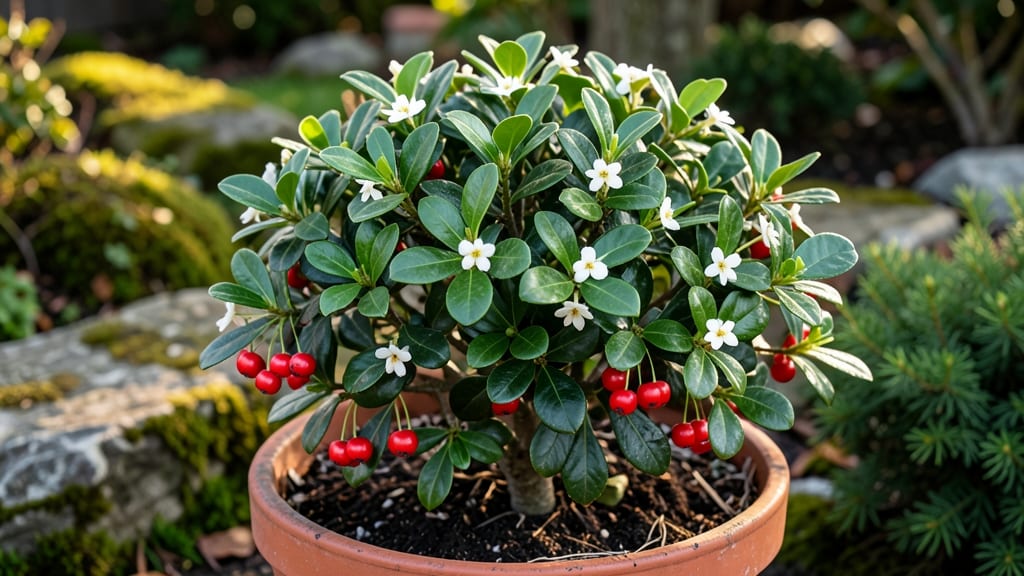
Your garden could look like a holiday postcard all year long. 🌲 The Christmas tree shrub—whether it's a lush Nandina domestica or a compact Picea—transforms any space into a festive focal point without needing seasonal decorations.
I’ve used them as natural centerpieces, living hedges, and even as a backdrop for holiday lights, and they never lose their charm. These shrubs thrive with minimal pruning, making them perfect for busy gardeners.
Place one near your front door for instant curb appeal, or line a pathway with dwarf varieties for a whimsical, woodland feel. Their layered branches naturally mimic the look of a decorated tree, but they stay green and vibrant through every season.
You’ll love how they pair with seasonal accents—think red berries in winter, spring bulbs at their base, or delicate fairy lights wrapped around their branches. The best part? They grow slowly, so you won’t be constantly trimming them back. Just let them shine as nature’s own holiday decoration.
Works in full sun or partial shade, and they adapt to both formal and cottage-style gardens. Here’s how to style yours for maximum impact!
📚 In This Guide
- What you need
- Instructions
- Tips and common mistakes
- Wrapping up and next steps
What you need
- ● Christmas tree shrub (e.g., Podocarpus, Thuja, or Picea varieties) – Mature enough to support shaping (3–5+ years old).
- ● Pruning shears – Bypass pruners (for clean cuts) or felco pruners (for thicker branches).
- ● Hand pruners – For smaller trims and detail work.
- ○ Loppers (optional but helpful for larger branches).
- ● Gloves – Heavy-duty gardening gloves to protect against sap and thorns.
- ● Disinfectant (70% isopropyl alcohol or pruning sealant) – To sterilize tools and prevent disease.
- ● Pruning saw – Only if your shrub has very thick branches (1+ inch in diameter).
- ● String or twine – For creating guides if shaping a traditional tree form.
- ● Stakes and ties – To support branches during shaping (if needed).
- ● Mulch (pine straw, wood chips, or shredded bark) – 2–3 inches to retain moisture and suppress weeds.
- ● Hedge shears – For smoother, more uniform cuts on larger surfaces.
- ● Pruning paint/sealant – To cover large cuts and prevent pest entry.
- ● Christmas lights or ornaments – For a festive touch (if decorating year-round!).
- ● Slow-release fertilizer – To boost growth post-pruning (apply in early spring).
- ● Watering can or hose with a gentle spray nozzle – For post-pruning hydration.
How to create a Christmas tree shrub for year-round festive greenery
Here's my go-to method for shaping a lush, evergreen Christmas tree shrub that stays vibrant all year with almost no pruning.
🌿 Step 1: Select and Plant the Right Evergreen Foundation
Choose a dwarf Alberta spruce or miniature blue spruce for your base plant—these stay compact (6-10 feet tall) and hold their shape naturally. Plant in well-draining soil with full sun exposure (6+ hours daily) for the best color retention. I dig a hole twice as wide as the root ball but only as deep—this encourages root spread without burying the trunk.
Water deeply right after planting to settle the soil, then let it dry slightly before watering again. The first year is about establishing roots, so I water once a week unless we have dry spells (then it's twice weekly). Mulch with 2-3 inches of shredded bark around the base to lock in moisture and protect roots from temperature swings.
✂️ Step 2: Shape the Initial "Tree" Silhouette
Wait until spring (after last frost) to prune for the first time. Use clean, sharp pruning shears to create a triangular shape—this mimics a Christmas tree's classic form. Cut back any overgrown branches at a 45-degree angle just above a leaf cluster (never leave stubs). I start with the topmost branches and work downward, removing no more than 25% of the plant at once.
This first pruning sets the foundation. If your shrub has one dominant leader (central stem), encourage it to branch by pinching back the tips of the top two side branches. For a fuller look, I gently bend lower branches outward and secure them with soft plant ties for a few weeks until they hold their new position.
💧 Step 3: Maintain Year-Round Health and Color
Water deeply every 7-10 days during growing seasons (spring-fall), aiming for 1-1.5 inches of water per week. Evergreens hate soggy roots, so always check the top 2 inches of soil—if it's dry, water; if moist, wait. In winter, I cut back to once every 3-4 weeks unless we have a dry spell (then back to weekly).
Fertilize once in early spring with a slow-release evergreen fertilizer (follow package rates). I avoid high-nitrogen fertilizers—they cause sparse, leggy growth and dull the needles. Instead, I use a balanced 10-10-10 formula to keep the shrub dense and vibrant. A light layer of compost around the base in late fall gives it a natural nutrient boost for winter.
☀️ Step 4: Minimal Annual Pruning for Festive Shape
Every late winter or early spring, do a light shaping prune to remove any dead, crossed, or overcrowded branches. I use the "thirds rule"—never remove more than one-third of the plant's foliage in a single season. For a Christmas tree look, I focus on keeping the top narrower than the base, with branches fanning outward like a tree.
Here's the trick: prune just the tips of branches that grow too long. This encourages more side branching and keeps the shrub fuller without losing its tree shape. I also remove any sparse or yellowing branches at the base—they detract from the festive look. A light dusting of horticultural oil in early spring keeps pests at bay without harsh chemicals.
⏰ Step 5: Seasonal Care for All-Year Appeal
In fall, rake up any fallen needles around the base to prevent mold buildup and root rot. A thin layer of mulch (1-2 inches) insulates roots from freeze-thaw cycles. For extra winter interest, I sprinkle white pine cones or small ornaments at the base (they won't harm the plant and add holiday cheer).
If your shrub starts looking dull or sparse, it might need more sunlight or better drainage. Evergreens in shade grow slower and lose their vibrant color. If you notice brown tips, it's usually overwatering or salt buildup—flush the soil with water until it runs clear from the drainage holes. With this care, your Christmas tree shrub will stay lush, green, and festive for decades with minimal effort.
Tips & tricks for perfect Christmas tree shrub
Transforming your evergreen into a festive Christmas tree shrub is easier than you think—here's how to make it thrive year after year.
Planting Depth Matters: When planting your dwarf Alberta spruce or miniature blue spruce, the hole should be twice as wide as the root ball but no deeper. This prevents burying the trunk, which can cause rot and stunts growth. I always use a spade to loosen the sides of the hole—this helps roots spread outward naturally for better stability. The first year is all about establishing a strong root system, so don't skimp on the planting depth.
Spring Pruning is Non-Negotiable: The initial shaping in Step 2 sets the foundation for your Christmas tree shrub. I can't stress enough how important it is to wait until spring (after the last frost) before pruning. Cold weather can stress the plant, and pruning too early might damage new growth. When shaping, focus on creating that triangular silhouette by cutting back overgrown branches at a 45-degree angle just above a leaf cluster. This encourages bushier growth and maintains the festive shape.
Watering Wisdom: Evergreens are notorious for their dislike of soggy roots, so the 7-10 day watering schedule in Step 3 is crucial. I always check the top 2 inches of soil before watering—if it's dry, water deeply until it runs out of the drainage holes. In winter, reduce watering to once every 3-4 weeks unless there's a dry spell. Overwatering is the number one cause of brown tips and root rot, so it's better to underwater slightly than to drown your shrub.
Fertilizer Finesse: The balanced 10-10-10 fertilizer mentioned in Step 3 is key for vibrant color and dense growth. High-nitrogen fertilizers might seem tempting for quick growth, but they actually cause sparse, leggy branches and dull needles. I apply mine in early spring, following the package rates, and add a light layer of compost in late fall. This two-step approach gives your shrub a steady supply of nutrients without overwhelming it.
Pro Tips for Christmas Tree Shrub
- Transforming your evergreen into a festive Christmas tree shrub is easier than you think—here's how to make it thrive year after year.
- Planting Depth Matters: When planting your dwarf Alberta spruce or miniature blue spruce, the hole should be twice as wide as the root ball but no deeper.
- Spring Pruning is Non-Negotiable: The initial shaping in Step 2 sets the foundation for your Christmas tree shrub.
Frequently asked questions
How often should I prune a Christmas Tree Shrub to keep it shaped like a tree?
Prune your Christmas Tree Shrub lightly 2-3 times a year: once in early spring (to encourage new growth), after flowering (if applicable), and lightly in late summer to maintain shape. Avoid heavy pruning—focus on trimming just the tips of branches to encourage a fuller, denser look. Pro tip: Use sharp shears and step back often to check symmetry!
When is the best time of year to plant a Christmas Tree Shrub?
The ideal time to plant is early spring or fall, when temperatures are mild and the shrub can establish roots without stress. Avoid planting in peak summer heat or winter frost, as these can shock the plant. If you must plant in summer, do it early in the morning or late afternoon and water deeply to help it recover.
Can I keep a Christmas Tree Shrub indoors year-round, or does it need outdoor conditions?
While these shrubs thrive outdoors in USDA zones 7-10, they can be grown in large containers indoors with bright, indirect light (like near a south-facing window). However, they’ll need regular pruning, humidity control, and seasonal outdoor breaks to stay healthy. If indoors, watch for leaf drop—a sign they need more light or fresh air!
What should I do if my Christmas Tree Shrub looks leggy or sparse?
Leggy or sparse growth usually means too much shade or inconsistent watering. Move it to a sunnier spot (6+ hours of light daily) and prune back overgrown branches to encourage bushier growth. Fertilize lightly in spring with balanced, slow-release fertilizer (like 10-10-10) to promote denser foliage. Troubleshoot: Check soil moisture—soggy roots cause yellowing, while dry soil leads to crispy leaves.
Are there alternatives to traditional Christmas Tree Shrubs for a similar look?
Yes! If you love the festive, tree-like shape but want variety, try these low-maintenance options:
- Emerald Green Arborvitae – Dense, evergreen, and cold-hardy (zones 3-8).
- Italian Cypress – Tall and slender, perfect for a mini "Christmas tree" vibe.
- Dwarf Alberta Spruce – Slow-growing and naturally conical, great for small spaces.
- Boxwood "Green Mountain" – Prunes well into a tight, tree-like shape (zones 5-9).
Wrapping up and next steps
Transforming your Christmas tree shrub into a year-round holiday centerpiece is easier—and more rewarding—than you think! With just a little care and creativity, you’ve unlocked a low-maintenance way to keep the festive spirit alive, no pruning stress required.
Whether you’re a pruning pro or a gardening newbie, this shrub proves that beauty and simplicity go hand in hand.
Ready to level up your outdoor décor? Grab your shears, sketch out a design, and give your shrub the love it deserves. Your future self—and your neighbors—will thank you! 🎄✨