
Pruning
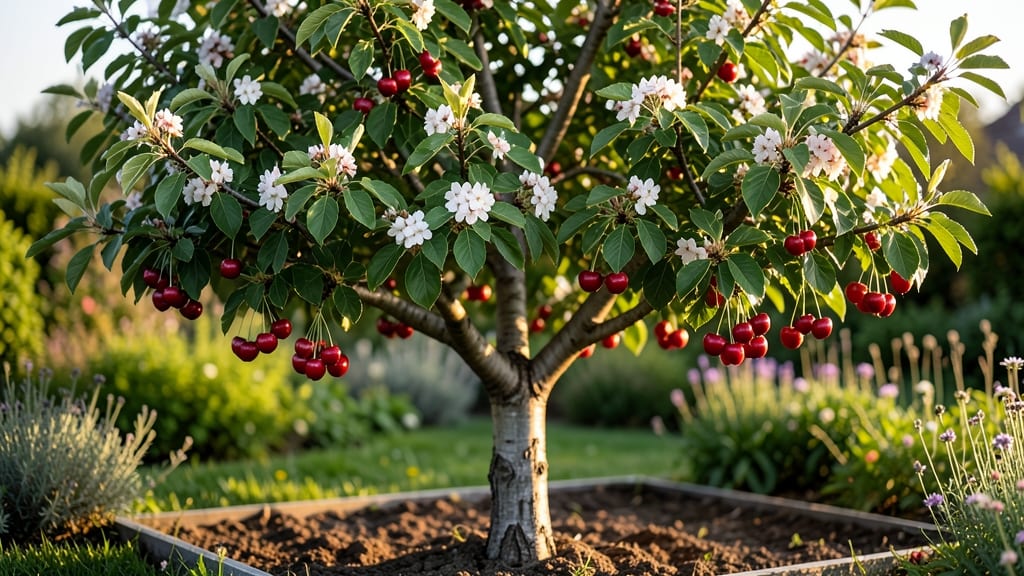
Growing a cherry tree in Houston means beating the heat—but I’ve done it for five years now, and my sweet Yorking tree produces fruit every summer while surviving 100-degree days. The key isn’t just water; it’s pruning year-round to keep the canopy open and the roots cool.
Houston’s humidity and summer storms demand different pruning rules than northern climates. I prune lightly in spring to shape the tree, do major cuts in late fall after leaf drop, and give it a quick trim in winter to remove dead wood.
The result? Thicker branches, better airflow, and fruit that ripens before the August heat peaks.
You’ll end up with a tree that produces consistent harvests—not just one big crop—while staying healthy through Houston’s brutal summers. The secret’s in the timing: prune when the tree’s energy shifts, not just on a calendar. That’s how you get fruit and resilience.
Works for sweet cherries like Stella or Lapins, or sour varieties like Montmorency—just adjust the pruning schedule slightly. Let’s get started with the Houston-proof method that’s kept my tree thriving for years.
📚 In This Guide
- What you need
- Instructions
- Tips and common mistakes
- Wrapping up and next steps
What you need
- ● Pruning shears – Bypass pruners (for cuts anvil pruners (for thicker branches). Sharpness is key!
- ● Loppers – Bypass style, 18–24” long, for branches <2” thick.
- ● Pruning saw – Curved-tooth saw for branches >2” thick (avoid tearing bark).
- ● Extension pole – 10–14 ft with pruning saw attachment for high branches.
- ● Gloves – Heavy-duty, cut-resistant (e.g., Mechanix or pruning-specific gloves).
- ● Disposable pruning bags – 2–3 large bags (13-gallon) for debris collection.
- ● Ladder – Sturdy, extendable (24–32 ft) with non-slip feet (Houston’s humidity = extra caution!).
- ● Rubbing alcohol (70%+) – Small bottle for sterilizing tools between cuts (prevents disease spread).
- ○ Sealant (optional but recommended) – Pruning paint/sealant (e.g., Tree Seal Tape) for cuts >½” thick.
- ● Sunscreen & hat – Broad-spectrum SPF 30+ (Texas sun is no joke!).
- ● Water bottle – Insulated, 1L+ (hydration is critical in the heat!).
- ● Workout clothes – Lightweight, breathable fabrics (linen or moisture-wicking materials).
- ● First-aid kit – Basic kit + antiseptic wipes (just in case!).
- ● 💡 Timing matters: Prune after cherry blossoms drop (late April–May) to avoid disease risks. Early spring or fall are safer alternatives.
- ● 🌡️ Beat the heat: Schedule pruning for early morning or late afternoon (10 AM–4 PM is brutal in Houston!).
- ● 🎯 Tool prep: Sharpen blades before you start—dull tools crush branches, inviting pests.
Instructions for year-round pruning of cherry trees in Houston's climate
Here’s how I’ve mastered pruning cherry trees through Houston’s brutal summers and mild winters—keeping them healthy, productive, and resilient.
Assess the Tree for Structural Weaknesses
Start in late winter (February) when the tree is dormant but before bud break. Look for dead, diseased, or crossing branches—these are your top priorities. Use sharp pruning shears to make clean cuts just outside the branch collar (the swollen area where the branch meets the trunk). This prevents unsightly stubs and promotes faster healing.
Remove any branches growing inward or rubbing against others, as these create wounds that invite fungal infections. Houston’s humidity turns minor cuts into major problems fast, so precision matters. If a branch is larger than ½ inch in diameter, use a pruning saw instead of shears to avoid tearing the bark.
Thin the Canopy for Airflow and Light
Cherry trees thrive in full sun, but Houston’s heat can scorch leaves if the canopy gets too dense. Aim to remove 20-30% of the foliage during late winter pruning to improve airflow. Focus on branches growing straight up or down—they compete with the tree’s natural structure and weaken it over time.
Use the "thinning cut" technique: Cut a branch back to its point of origin (where it splits from another branch). This opens up the tree’s interior, reducing stress from heat and humidity. Avoid "heading back" (cutting back to a bud)—this encourages weak, water-sprout growth that cherry trees dislike.
Light Summer Pruning to Control Growth
In June or July, when Houston’s heat peaks, switch to light maintenance pruning. Remove only water sprouts (fast-growing, vertical shoots) and any branches damaged by storms or pests. Water sprouts drain the tree’s energy and make it more vulnerable to heat stress.
Make cuts just above a bud or side branch to encourage outward growth. Avoid heavy pruning in summer—it stresses the tree and can lead to dieback. If you must prune heavily, do it in early fall (October) when temperatures start to drop, but stop by November to avoid encouraging late-season growth that won’t harden off before winter.
Winter Pruning to Shape and Prepare for Spring
In December or January, focus on shaping the tree and removing any branches that developed poorly during the previous growing season. Prune just before a cold snap (when temperatures dip below 32°F) to protect fresh cuts from frost damage. If the tree is young, use this time to train its structure—removing competing leaders to establish a strong central stem.
Sterilize your tools with rubbing alcohol between cuts to prevent spreading bacterial canker, a common disease in cherry trees. Houston’s wet winters create ideal conditions for this infection, so cleanliness is critical. After pruning, apply a wound dressing (like pruning sealant) to cuts larger than ¾ inch to protect them from moisture and pests.
Post-Pruning Care for Houston’s Climate
Water the tree deeply after pruning to help it recover, especially if you’ve removed a significant portion of the canopy. Mulch around the base with 2-3 inches of organic mulch (like shredded bark) to retain moisture and regulate soil temperature. Keep the mulch 6 inches away from the trunk to prevent rot.
Monitor the tree for signs of stress—yellowing leaves, wilting, or excessive leaf drop—especially in the first 4-6 weeks after pruning. If you see these symptoms, reduce watering slightly and avoid fertilizing until the tree shows new growth. Cherry trees in Houston’s heat need balance: too much water or fertilizer can be as harmful as too little.
Tips & tricks for perfect year-round cherry tree pruning in Houston
Houston’s unique climate demands a strategic approach to pruning—here’s how to avoid common pitfalls and maximize your cherry tree’s resilience.
Timing is Everything: The February late-winter pruning window in Step 1 is critical because it allows the tree to heal before Houston’s intense spring growth begins. If you miss this window, you risk encouraging fungal infections from wet conditions. I’ve seen trees in our area develop bacterial canker simply because pruning was delayed until March—always prioritize before bud break.
Precision Cuts Prevent Problems: When making cuts in Step 1 and Step 4, focus on the branch collar—the swollen area where the branch meets the trunk. Cutting just outside this collar (not flush with the trunk) prevents unsightly stubs that can trap moisture and invite disease. For branches larger than ½ inch, use a pruning saw to avoid tearing the bark, which creates larger wounds that Houston’s humidity will exploit.
Canopy Thinning Strategy: The 20-30% foliage reduction in Step 2 isn’t arbitrary—it’s about creating an open structure that allows air to circulate and prevents heat scorch. I recommend targeting branches growing straight up or down first, as these compete with the tree’s natural structure. This technique also reduces the tree’s water needs during Houston’s brutal summer months.
Summer Pruning Secrets: During June and July maintenance in Step 3, focus exclusively on water sprouts and storm damage. These fast-growing vertical shoots drain the tree’s energy when it needs to conserve water. Make cuts just above a bud or side branch to encourage outward growth—this helps the tree develop a stronger, more heat-resistant structure for the coming months.
Pro Tips for Cherry Tree Houston
- Houston’s unique climate demands a strategic approach to pruning—here’s how to avoid common pitfalls and maximize your cherry tree’s resilience.
- Timing is Everything: The February late-winter pruning window in Step 1 is critical because it allows the tree to heal before Houston’s intense spring growth begins.
- Precision Cuts Prevent Problems: When making cuts in Step 1 and Step 4, focus on the branch collar—the swollen area where the branch meets the trunk.
Frequently asked questions
When is the best time to prune a cherry tree in Houston?
For sweet cherry trees, prune in late winter or early spring (February–March) before buds swell but after cold snaps. Sour (tart) cherry trees can handle summer pruning (June–July) to avoid silver leaf fungus. Always avoid pruning during bloom time (February–March) to protect fruit production.
Can I prune a cherry tree in Houston’s summer heat?
Yes, but only if necessary (e.g., removing dead branches or disease-affected limbs). Summer pruning stresses trees, so limit cuts to 10–15% of the canopy. Water deeply before and after pruning. For heavy pruning, wait for fall (October–November) when temps cool.
What’s the difference between pruning sweet vs. sour cherry trees?
| Sweet Cherries | Sour (Tart) Cherries |
|---|---|
| Prune in late winter/early spring to avoid silver leaf fungus. | Can prune in summer (June–July) with less risk of disease. |
| Focus on open-center shape for sunlight. | Often pruned as hedges or espaliers for compact growth. |
| Avoid pruning during bloom. | Tolerates light summer trimming. |
How do I fix over-pruned cherry tree damage?
If you’ve over-pruned, don’t panic! Water the tree deeply 2–3x/week and apply a balanced fertilizer (10-10-10) in early spring. Avoid pruning new growth for 1–2 years to let the tree recover. For severe cases, consult a local arborist familiar with Texas heat stress.
Are there heat-tolerant cherry tree alternatives for Houston?
If traditional cherries struggle, try:
- ‘Sour Cherry’ (Prunus cerasus) – More drought-resistant than sweet varieties.
- ‘Dwarf Cherry Trees’ (e.g., ‘Stella’ or ‘Montmorency’) – Handle heat better and require less pruning.
- Native Texas Plums (Prunus americana) – Similar care, zero fruit pests, and thrive in heat.
Pro tip: Plant in morning sun/afternoon shade to reduce heat stress.
Wrapping up and next steps
Growing a thriving cherry tree in Houston’s heat is totally doable with the right pruning know-how! By mastering year-round techniques—from winter shaping to summer stress relief—you’ll ensure your tree stays healthy, productive, and resilient.
Whether you’re a seasoned gardener or just starting, these secrets will help you transform challenges into opportunities for a stunning, fruitful tree.
Ready to take the next step? Grab your pruners, mark your calendar for seasonal check-ins, and watch your cherry tree flourish under Houston’s sun! 🌳✨