
Pruning
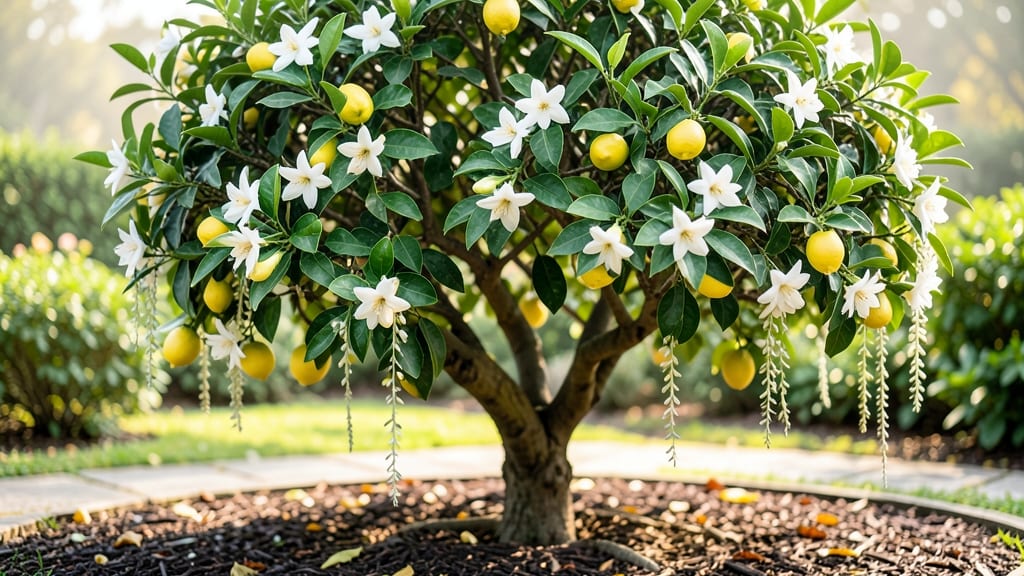
The secret to a lemon tree floral explosion is patience and the right timing. 🌸 I’ve watched my own tree go from sparse blooms to hundreds of fragrant white flowers by adjusting just a few key factors—light, water, and when to prune.
Most gardeners rush the process, but lemon trees need bright, indirect light (6+ hours daily) and consistent moisture without soggy roots. Overwatering kills flowers faster than anything else. The best part? You can coax blooms year-round with indoor grow lights and humidity trays.
Once you see those first buds form, gentle hand-pollination with a soft brush boosts fruit set. Healthy flowers should smell sweet and feel firm—not sticky or discolored. A single misstep (like pruning at the wrong time) can wipe out an entire season’s potential.
Whether you’re growing in a sunny patio pot or a greenhouse, these tweaks work. Let’s turn that sparse branch into a flowering spectacle—and eventually, a bounty of lemons.
📚 In This Guide
- What you need
- Instructions
- Tips and common mistakes
- Wrapping up and next steps
What you need
- ● Lemon tree branches – 3-5 healthy, leafless branches (12-18 inches long) with floral buds or blooms. Choose ones with thick stems for durability.
- ● Floral preservative – 1 packet (or 1 tbsp of powdered mix) to extend freshness.
- ● Floral foam – 1 block (size depends on vase; 6x6x4 inches works for small arrangements).
- ● Scissors or floral shears – Sharp, clean cuts are a must! 🔪
- ● Water – Warm, not hot, to help stems absorb.
- ● Filler flowers – Baby’s breath, eucalyptus, or small roses (1-2 bunches) for texture.
- ● Greenery – Ferns, ivy, or lemon tree leaves for contrast.
- ● Decorative accents – Ribbon, dried citrus slices, or small pinecones for a rustic touch.
- ● Spray adhesive – For securing loose stems or leaves (if arranging dried blooms).
- ● A well-ventilated workspace (lemon tree pollen can be potent!).
- ● Patience – Let floral buds open naturally for the best scent and appearance.
- ● Sunlight awareness – Place your arrangement in indirect light to preserve blooms longer.
Step-by-step guide to encouraging year-round lemon tree blooms
Here’s how I coax abundant, fragrant flowers from my lemon tree—no matter the season.
🌱 Step 1: Choose the Right Lemon Tree Variety
Not all lemon trees bloom prolifically. I swear by Meyer lemon trees (Citrus × meyeri) for their cold-hardiness and generous flowering. These dwarf varieties thrive in containers and produce flowers year-round in ideal conditions. If you’re starting from a cutting or young tree, pick a grafted plant—it’ll bear fruit (and flowers) faster than seed-grown trees.
Look for a tree with thick, glossy leaves and no signs of pests. A healthy tree already has some blooms or flower buds—this tells me it’s genetically inclined to produce. If your tree is bare, don’t worry; with the right care, even non-flowering trees can be coaxed into blooming within 3-6 months.
☀️ Step 2: Provide Optimal Light and Temperature
Lemon trees need full sun (6-8 hours daily) to set flowers, but they also appreciate afternoon shade in hot climates to prevent leaf scorch. Place your tree near a south- or west-facing window if indoors, or in a sheltered outdoor spot with morning sun. I’ve found that 65-75°F is the sweet spot for flowering—too hot or cold, and buds drop off.
If your tree isn’t blooming, check the light first. Leggy growth with sparse leaves means it’s stretching for more sun. Move it closer to the window or supplement with a grow light (12-14 hours/day). In winter, keep it away from drafts—cold snaps shock the tree and halt flower production. A heat mat under the pot helps maintain steady warmth.
💧 Step 3: Master Watering and Fertilizing for Flowers
Overwatering is the #1 killer of lemon tree blooms. I water deeply every 7-10 days when the top 2 inches of soil feel dry. Let the soil dry slightly between waterings—soggy roots lead to root rot, which stresses the tree and stops flowering. In winter, reduce watering to every 2-3 weeks since growth slows.
Feed your tree with a balanced citrus fertilizer (6-6-6 or 8-8-8) every 4-6 weeks during spring and summer. I switch to a low-nitrogen, high-phosphorus formula (5-10-10) when buds form to encourage flowering. Avoid high-nitrogen fertilizers—they promote leafy growth at the expense of flowers. Flush the soil with water every 3 months to prevent salt buildup from fertilizers.
✂️ Step 4: Prune Strategically to Stimulate Blooms
Pruning isn’t just about shaping—it’s about directing energy toward flowers. I prune my lemon tree after flowering (late winter or early spring) to remove dead, crossing, or overcrowded branches. Use clean, sharp pruners to make cuts at a 45-degree angle just above a leaf node. This encourages new growth and more flower buds.
Avoid heavy pruning in summer—it stresses the tree and can halt blooming. Instead, do a light maintenance trim to open the canopy for better air circulation. If your tree is overly leggy, prune back 1/3 of the longest branches to encourage bushier, flower-heavy growth. Always sterilize your tools with rubbing alcohol between cuts to prevent disease.
🌿 Step 5: Hand-Pollinate and Protect Flowers
Lemon trees rely on bees for pollination, but indoor trees often miss out. I hand-pollinate by gently shaking the tree near blooms or using a soft paintbrush to transfer pollen from flower to flower. Do this in the morning when flowers are fresh. Outdoor trees usually pollinate themselves, but a little help ensures more fruit—and more next-year blooms.
Protect flowers from pests like aphids and spider mites, which suck sap and drop buds. Spray the tree with neem oil (1 tsp per gallon of water) weekly if you spot pests. Avoid chemical sprays—they can damage flowers and fruit. Also, keep humidity moderate (40-60%); too much humidity invites fungal diseases like powdery mildew, which can kill blooms.
Tips & tricks for perfect lemon tree blooms
Took me years to figure out these little secrets—here's how to turn your lemon tree into a year-round floral showstopper.
Variety Matters: If you're starting fresh, skip the seed-grown trees—they take years to bloom. Instead, go for grafted Meyer lemon trees. These cold-hardy varieties are bred for prolific flowering and produce beautiful blossoms even in containers. I've seen bare trees transform into floral powerhouses within just 3-6 months with the right care.
Lighting Strategy: That 6-8 hours of daily sun isn't just about sunlight—it's about consistent light exposure. If your tree isn't blooming, check for these signs: leaves growing toward the light source (a sign it's stretching), or new growth that looks weak and pale. For indoor trees, I recommend a grow light on a timer for 12-14 hours daily to mimic natural daylight cycles and trigger flowering.
Watering Wisdom: The soil test is your best friend here. Stick your finger 2 inches into the soil—if it feels dry, it's time to water. I've ruined multiple trees by overwatering, which leads to root rot and bud drop. In winter, reduce watering to every 2-3 weeks since growth slows dramatically. Remember, lemon trees prefer slight drought stress to soggy roots.
Pruning Precision: Timing is everything when pruning for blooms. Always prune after flowering in late winter or early spring, never in summer when the tree is trying to set new buds. Make your cuts at a 45-degree angle just above a leaf node—this encourages bushier growth where flowers will form. I sterilize my pruners with rubbing alcohol between cuts to prevent disease transmission that could stress the tree.
Pro Tips for Lemon Tree Floral
- Took me years to figure out these little secrets—here's how to turn your lemon tree into a year-round floral showstop...
- Variety Matters: If you're starting fresh, skip the seed-grown trees—they take years to bloom. Instead, go for grafte...
- Lighting Strategy: That 6-8 hours of daily sun isn't just about sunlight—it's about consistent light exposure. If you...
Frequently asked questions
Got questions about keeping your lemon tree floral blooms thriving? Here are answers to the most common ones—because even citrus lovers need a little guidance!
When do lemon trees typically bloom?
Lemon trees usually bloom in late winter to early spring (January–March), but with proper care, they can produce year-round flowers in warmer climates. Young trees may take 2–3 years to flower. Cold snaps can delay blooms, so protect tender trees if frost is forecasted!
How do I prune to encourage more flowers?
Prune after flowering (late spring) to shape the tree and remove dead wood. Cut back overgrown branches by 1/3 to boost airflow and sunlight—key for floral growth! Avoid heavy pruning in winter, as it stresses the tree. Pro tip: Use sterilized shears to prevent disease.
Why aren’t my lemon tree flowers turning into fruit?
Several factors can halt fruit development: poor pollination (hand-pollinate with a brush), temperature swings (keep temps above 60°F), or nutrient deficiencies (fertilize with citrus-specific food). Young trees or those stressed by drought may also drop blooms—water deeply 2–3 times weekly!
Can I grow lemon tree flowers indoors for decoration?
Yes! Place your tree near a south-facing window (6+ hours of sunlight) and use a grow light if needed. Prune lightly to maintain shape, but expect fewer blooms indoors than outdoors. For potted trees, repot every 2–3 years and use well-draining soil to prevent root rot.
Do lemon tree flowers attract bees or pests?
Lemon tree flowers are bee magnets—great for pollination. However, watch for aphids or scale insects, which thrive on new growth. Spray with neem oil or insecticidal soap if pests appear. Healthy trees with good airflow resist most issues naturally.
Wrapping up and next steps
Growing a lemon tree floral with year-round blooms is a rewarding journey that combines patience, care, and a touch of horticultural magic. 🌸 By mastering the right pruning techniques, you’ll not only encourage lush, fragrant flowers but also boost fruit production and keep your tree healthy.
Whether you’re a beginner or a seasoned gardener, every snip and trim brings you closer to that dream of a vibrant, blooming citrus tree.
Ready to take the next step? Start small—pick one pruning session to practice, then gradually expand your skills. Before you know it, your lemon tree will be bursting with floral beauty, turning your garden into a fragrant paradise. Happy pruning! 🌿✂️