
Pruning
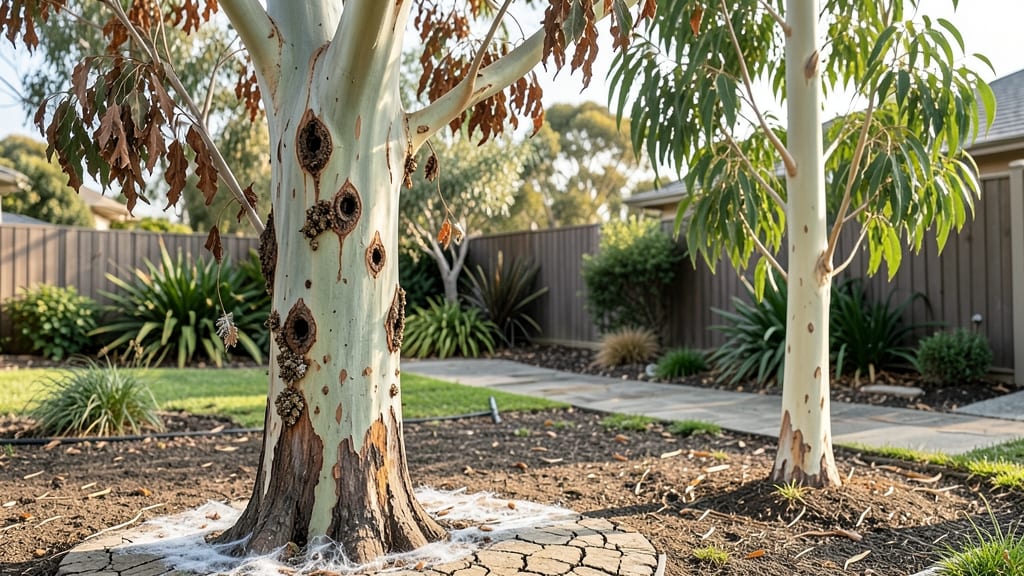
Your eucalyptus tree isn’t just dying—it’s silently screaming for help after eucalyptus tree death has already started to set in. 🌿 The moment you spot yellowing leaves, peeling bark, or sudden wilting, you’ve got a 3-step window to turn things around before it’s too late.
I’ve nursed back trees that looked hopeless by fixing the root causes: waterlogged soil, fungal creep, or pest attacks hiding under the bark.
Most people panic and overwater, but eucalyptus hate soggy roots—especially in heavy clay soil. The first fix? Check drainage and adjust watering. If your tree’s in a Mediterranean climate, it might just need less water; if it’s in a temperate zone, root rot could be the real villain.
I’ve seen trees bounce back in 4-6 weeks once the roots breathe again.
Next, inspect the bark and leaves for signs of pests or fungal spots. Prune dead branches (sterilize your tools first!) and apply neem oil or copper fungicide if you spot dark, mushy patches.
The goal isn’t just to stop the damage—it’s to give your tree the fresh start it’s been begging for.
Long-term, eucalyptus need full sun, well-draining soil, and space to stretch their limbs. If your tree’s in a tight spot or the climate’s just not right, replanting might be the kindest option. But if you act fast, you can bring it back from the brink—honestly, I’ve seen miracles.
📚 In This Guide
- What you need
- Instructions
- Tips and common mistakes
- Wrapping up and next steps
What you need
- ● Pruning shears or lopers – Sharp, sterilized tools (avoid rust or bacteria transfer). Size: 6-8" blades for small branches, 10-12" for thicker limbs.
- ● Hand pruners – For precise cuts on smaller branches (Quantity: 1 pair.
- ● Safety gear – Work gloves (cut-resistant), safety goggles, and long sleeves/pants (eucalyptus sap can irritate skin!).
- ● Disinfectant (70% isopropyl alcohol or bleach solution) – To sterilize tools between cuts and prevent disease spread.
- ○ Tree wound dressing (optional but recommended) – Pruning sealant or beeswax-based product to protect large cuts.
- ● Watering can or hose with adjustable nozzle – For deep hydration (aim for slow, deep watering to avoid runoff).
- ● Soil pH testing kit – To check if alkalinity/acidity is contributing to stress (ideal range: 5.0–7.0 for eucalyptus).
- ● Fertilizer (balanced or eucalyptus-specific) – Look for low-phosphorus, high-nitrogen options (e.g., 10-10-10 or 12-4-8 ratio). Quantity: ~1 lb per 100 sq ft of root zone.
- ● Mulch (organic, like wood chips or bark) – 2–4 inches thick, kept 3–6 inches away from the trunk to prevent rot.
- ● Magnifying glass or hand lens – To inspect leaves/bark for pests, fungal spots, or borer holes.
- ● Digital thermometer – Check soil temperature (eucalyptus thrives in 60–85°F soil temps).
- ● Camera or smartphone – Document symptoms (yellowing, wilting, etc.) before/after treatment for progress tracking.
- ● Pest control (if needed) – Insecticidal soap or neem oil for soft-bodied pests (e.g., psyllids).
- ● Systemic fungicide (e.g., copper-based) if fungal diseases like Phytophthora are suspected.
- ○ Tree support (optional) – Stakes and ties if the tree is leaning severely due to root damage or wind.
- ● Timing – Prune during dormant season (late fall/winter) or early spring to minimize stress. Avoid pruning in extreme heat or drought.
- ● Weather check – Choose a cloudy day or prune in the early morning to reduce water loss from fresh cuts.
- ● Tree health assessment – Confirm the tree is not already dead (tap bark—if it sounds hollow, it’s beyond revival).
- ● Local regulations – Check if your area requires permits for large tree pruning or removal.
How to diagnose and revive a struggling eucalyptus tree
Eucalyptus trees are tough, but even they need the right care to bounce back when they're fading.
🌿 Step 1: Identify the Root Cause of Decline
Start by examining the tree from top to bottom. Look for yellowing leaves—this often signals overwatering or poor drainage. Check the bark for cracks or blackened areas, which could mean fungal infection or sunburn. I always run my fingers along the trunk to feel for soft spots; mushy bark is a sign of rot.
Next, inspect the soil around the base. If it smells sour or looks waterlogged, your eucalyptus is drowning. Healthy eucalyptus soil should feel slightly dry at the surface but moist a few inches down. Dig gently with a trowel to check for root rot—healthy roots are white or tan, while rotted roots are brown, slimy, and crumble easily.
☀️ Step 2: Adjust Watering and Light Exposure
Eucalyptus trees despise soggy roots. If the soil stays wet for more than a day, reduce watering immediately. Water only when the top 6 inches of soil feel dry—stick your finger in to test. I like to water deeply but infrequently, aiming for 1-2 gallons per week in dry climates, less in humid areas.
Check the tree's light exposure next. Eucalyptus thrives in full sun (6+ hours daily), but too much harsh afternoon sun can scorch leaves. If your tree is in a hot, exposed spot, provide afternoon shade with a sheer fabric screen. You'll know it's getting too much sun when leaves turn crispy or brown at the edges.
✂️ Step 3: Prune Damaged Growth and Boost Soil Health
Use sterilized pruning shears to remove any dead, diseased, or crossing branches. Cut just above a leaf node or outward-facing bud to encourage new growth. I always prune in late winter or early spring when the tree is dormant—this minimizes stress. Never remove more than 25% of the canopy at once, or you risk shocking the tree.
Improve the soil around the base by mixing in 2-3 inches of compost and a handful of slow-release fertilizer (look for one with balanced NPK like 10-10-10). Eucalyptus trees prefer slightly acidic soil (pH 5.5-6.5), so test your soil if leaves show signs of nutrient deficiency—yellowing between veins often means iron deficiency.
💧 Step 4: Monitor and Protect Through Recovery
After making adjustments, keep a close eye on the tree. New growth should appear within 4-6 weeks if the fixes were correct. If you see dark spots on leaves or sticky residue, treat for pests like scale or aphids with neem oil. I spray in the early morning when bees aren't active and repeat every 7-10 days until the infestation clears.
Protect young, recovering eucalyptus from wind and cold drafts. Wrap the trunk with tree guard if your winters dip below 20°F—young trees are especially vulnerable to freeze damage. Mulch the base with 2-3 inches of wood chips to retain moisture and regulate soil temperature.
Tips & tricks for reviving a struggling eucalyptus tree
Here’s what nobody tells you about bringing eucalyptus back from the brink—these details make all the difference between a sad recovery and a full comeback.
Root Rot Rescue: If you find root rot in Step 1, don’t panic—you can still save the tree. After removing affected roots, sprinkle copper fungicide around the base (this is optional but highly effective). Then, replace the top 6 inches of soil with a mix of 50% fresh potting soil and 50% perlite to improve drainage. This two-step fix gives roots a fighting chance while preventing future rot.
Watering Wisdom: The 6-inch soil test in Step 2 is your best friend, but here’s the trick: use your finger to check moisture at two depths—surface level and 3 inches down. If both are dry, water thoroughly; if only the surface is dry, wait another day. Overwatering is the #1 killer of eucalyptus, and this method helps you avoid it without guessing.
Pruning Precision: When you’re trimming in Step 3, look for epinasty (curling leaves) or dieback (dead branches at the tips). These are visual cues that the tree is stressed from water issues or pests. Cut back to healthy green growth only—never into old, brown wood. This targeted approach reduces stress and encourages new, vigorous shoots.
Soil Science: That balanced NPK fertilizer in Step 3? Stick with a 10-10-10 ratio, but here’s the pro move: mix it into the top 4 inches of soil, not just the surface. Eucalyptus roots spread wide but shallow, so deeper placement ensures nutrients reach where they’re needed. Test soil pH again in 3 months—if it’s still off, add sulfur (for pH below 5.5) or lime (for pH above 6.5) sparingly.
Pro Tips for Eucalyptus Tree Death
- Here’s what nobody tells you about bringing eucalyptus back from the brink—these details make all the difference between a sad recovery and a full comeback.
- Root Rot Rescue: If you find root rot in Step 1, don’t panic—you can still save the tree.
- Watering Wisdom: The 6-inch soil test in Step 2 is your best friend, but here’s the trick: use your finger to check moisture at two depths—surface level and 3 inches down.
Frequently asked questions
Got questions about eucalyptus tree decline? You’re not alone—these hardy trees can be tricky when they start struggling. Here are some of the most common concerns and straightforward answers to help you get your eucalyptus back on track.
Why is my eucalyptus tree dying suddenly?
Sudden decline is often caused by root rot (from overwatering or poor drainage), pests (like psyllids or borers), or fungal infections (e.g., Phytophthora). Check the soil moisture and inspect leaves/stems for signs of infestation or discoloration. Act fast—prune dead branches and adjust care immediately!
How long does it take for a eucalyptus tree to recover?
Recovery time varies: mild stress (like drought) may show improvement in 4–8 weeks with proper care, while severe damage (root rot, pests) can take months to years or may require removal. Focus on consistent watering, pruning dead wood, and soil aeration to speed up healing.
Can I save a eucalyptus tree with too much water?
Yes! If overwatering is the issue, stop watering immediately and improve drainage by amending soil with sand or perlite. Prune any mushy roots or yellowing leaves, and ensure the tree’s pot (if potted) has drainage holes. Let the soil dry out between waterings—eucalyptus hates soggy roots!
What’s the best alternative if my eucalyptus keeps dying?
If your eucalyptus is chronically struggling, consider drought-tolerant, low-maintenance alternatives like:
- Olive trees (resistant to pests and rot)
- Juniper bushes (hardy and aromatic)
- Lemon-scented gum trees (similar scent, slightly easier care)
How do I tell if my eucalyptus is dead vs. just dormant?
Check these signs:
Dead Tree
Dormant Tree
Bark is black, peeling, or sloughing off; branches snap easily.
Bark is smooth or rough but intact; branches bend slightly.
No green underbark when scratched (test a small area).
Bright green layer visible under bark.
Leaves are brown/crunchy or never regrow in spring.
Leaves drop seasonally but sprout fresh growth.
Wrapping up and next steps
The death of a eucalyptus tree can feel devastating, but with the right care, many can be revived! 🌿 By addressing water stress, soil health, and pruning techniques, you’re already taking powerful steps to restore your tree’s vitality.
Remember, patience and consistency are key—don’t hesitate to monitor progress and adjust as needed.
Ready to take action? Start by assessing your tree’s needs today—your eucalyptus might just thank you with years of lush, vibrant growth! 🌳✨