
Trees
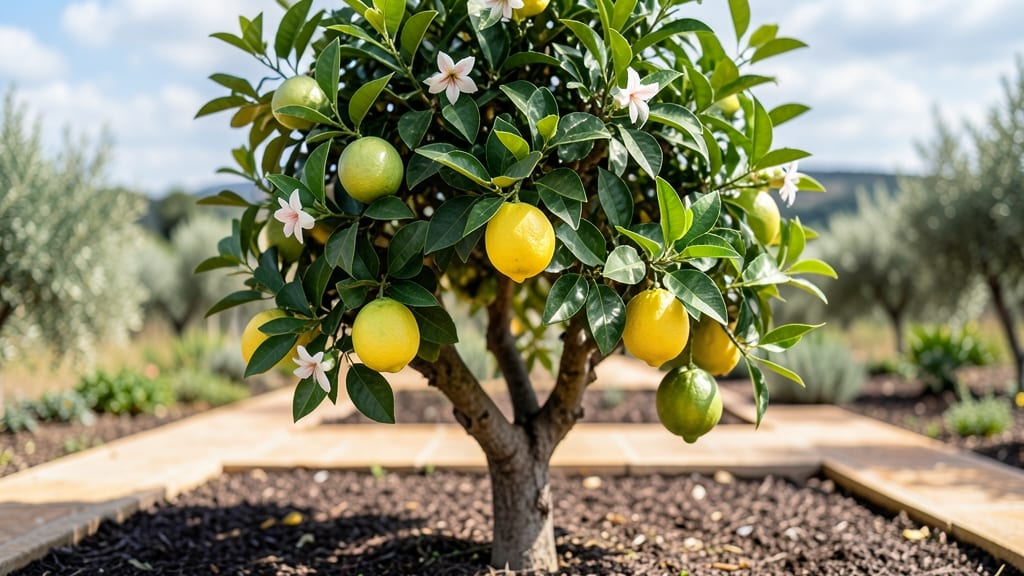
A Eureka lemon tree’s height can soar to 15–20 feet if left unchecked 🍋 — but with the right pruning, you can keep it under 12 feet while maximizing fruit and airflow.
If your Eureka lemon tree is reaching for the sky faster than you’d like—turning your backyard into a jungle of citrus—you’re not alone. Without pruning, this vigorous variety will outgrow even the largest patios, leaving you with a maintenance headache.
Understanding its natural growth stages (and how climate, soil, and sunlight play a role) is the first step to managing its size. Whether you’re growing it outdoors in USDA Zone 6a or indoors near a south-facing window, the key is timing and technique.
Below, I’ll break down how to prune for a compact, productive tree, when to do it, and the common mistakes that send heights skyrocketing—plus a 12-month pruning calendar to keep it in check.

Natural Eureka lemon tree height: growth stages and expected size
If you’ve ever wondered why your Eureka lemon tree seems to grow like a jungle vine instead of a manageable backyard tree, you’re not alone. This vigorous citrus variety has a genetic growth potential of 15–25 feet when left unpruned, making it one of the fastest-growing lemon trees.
Understanding its natural growth stages helps you plan for pruning and space management from day one.
The Eureka lemon tree isn’t just tall—it’s also known for its rapid vertical growth in ideal conditions. Within the first 3 years, it can shoot up to 10–12 feet, and without intervention, it will continue climbing toward its mature height of 15–25 feet.
This makes it a poor fit for small patios or balconies unless you’re prepared to prune aggressively.
Here’s the key: Climate and soil play massive roles in how tall your Eureka lemon tree grows. In warmer USDA zones (9–11), where frost isn’t a concern, these trees grow faster and taller due to year-round growth.
In cooler zones (6–8), growth slows in winter, but the tree still reaches its full height over time—just more slowly.
Rich, well-draining soil with a slightly acidic pH (6.0–7.0) fuels rapid growth, while poor soil or drought stress can stunt the tree’s height—but not necessarily its health. The trade-off? Faster growth often means larger canopy, which can shade out lower branches and reduce fruit production if not managed.
Many gardeners assume dwarf Eureka lemon trees are the solution for small spaces, but here’s the catch: Dwarf varieties are typically grafted onto dwarfing rootstock, not a natural genetic modification.
Even these can still reach 8–12 feet if not pruned. If you’re aiming for a true compact tree, consider container growing with regular root pruning or espalier training.
One of the biggest myths about Eureka lemon trees is that pruning stunts growth permanently. In reality, strategic pruning encourages horizontal growth and fruit production while keeping the tree manageable.
The secret? Prune in late winter or early spring before new growth begins. This timing ensures you don’t accidentally remove next year’s fruit buds.
For those in container gardens, height control becomes even more critical. Without pruning, a potted Eureka lemon tree can still reach 10–12 feet in 3–5 years. The solution? Root pruning every 2–3 years to restrict root growth, which naturally limits the tree’s height.
Pair this with annual pruning to maintain a balanced shape and prevent leggy growth.
If you’re dealing with an overgrown Eureka lemon tree, don’t panic. Even trees that have reached 15+ feet can be brought under control with a structured pruning plan.
Focus on removing the lowest branches first to open up the base, then gradually trim the top to encourage bushier growth. Just remember: Never remove more than 25% of the canopy in a single pruning session to avoid stressing the tree.
Ultimately, the Eureka lemon tree’s height is a balance between genetics, environment, and your pruning efforts. With the right approach, you can enjoy a productive, manageable tree that fits your space—whether that’s a backyard corner, patio container, or even an indoor grow room.
The key is to start pruning early and stay consistent.
Step-by-step pruning schedule to keep Eureka lemon tree under 12 feet
Pruning your Eureka lemon tree isn’t just about trimming branches—it’s about controlling growth, improving fruit yield, and ensuring airflow to prevent disease.
Without pruning, this variety can easily reach 15–20 feet, but with a disciplined schedule, you can maintain it under 12 feet while keeping it healthy and productive. The key is timing and technique, focusing on structural branches and fruiting wood.
I’ve pruned my Eureka lemon tree for years, and the difference between winter pruning and spring pruning is night and day. Winter pruning (in late winter or early spring) removes dead or weak wood, while spring pruning (after last frost) shapes the tree for the growing season.
Both are essential, but they serve different purposes. For example, I always avoid heavy pruning in summer because it stresses the tree when it’s already working hard to produce fruit.
🌱 12-Month Pruning Calendar for Eureka Lemon Tree
- 1 Late Winter (Feb): Prune dead/diseased branches and thin out crossing branches to improve airflow. Avoid heavy cuts—focus on 10–20% reduction.
- 2 Early Spring (March): Shape the tree by cutting suckers (shoots at the base) and water sprouts (fast-growing vertical shoots). Open the canopy to let sunlight penetrate the center.
- 3 Post-Flowering (May): Light pruning to remove overcrowded branches and fruit-laden limbs that may break under weight. This is also when I thin out fruit clusters to improve size and quality.
- 4 Summer (June–Aug): Minimal pruning—only remove diseased leaves or damaged branches. Avoid heavy cuts to prevent stress during fruiting season.
- 5 Fall (Oct–Nov): Light cleanup—remove dead wood and weak growth before winter. Avoid heavy pruning, as the tree needs energy to prepare for dormancy.
- 6 Winter (Dec–Jan): Final check for hidden damage or ice cracks. Prune only if necessary—this is the tree’s resting period.
When pruning, always use clean, sharp pruners to make smooth cuts just above a bud or branch collar. Never leave stubs, as they invite disease.
For structural branches, aim to create an open-center shape—this allows sunlight to reach the inner canopy, which is crucial for fruit production. I also recommend thinning out dense foliage to reduce humidity, which helps prevent fungal issues like citrus canker.
One of my biggest pruning mistakes was cutting too aggressively in spring, which delayed fruiting. Now, I follow the 10% rule: never remove more than 10% of the tree’s foliage in a single session.
This keeps the tree stress-free while still encouraging compact growth. For example, if your tree is 10 feet tall, limit pruning to 1 foot of new growth per year to maintain its height.
Pro tip: Mark your pruning schedule on a calendar with reminders for each season. I use a garden journal to track when I prune, how much I cut, and any notable observations about the tree’s response.
This helps me refine my approach year after year. With consistent pruning, your Eureka lemon tree will stay under 12 feet while producing abundant, high-quality fruit. 🍋