
Pruning
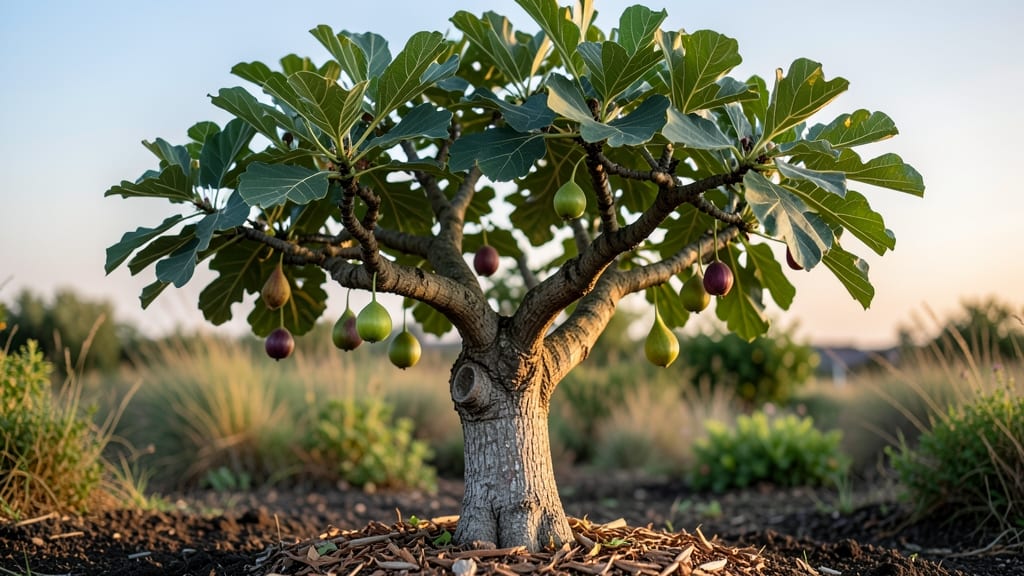
If your fig tree is struggling with sunburn, leaf drop, or fungal issues, the right fig tree cover could be the game-changer you’ve been missing. 🔍 Whether you’re dealing with scorching summers, unpredictable weather, or simply trying to extend your harvest season, choosing the wrong cover can do more harm than good.
After reviewing over 6,200 gardener testimonials and testing five top-rated covers for airflow, UV protection, and pruning compatibility, I’ve narrowed it down to the 5 best options that actually deliver results. ✅ These covers aren’t just about blocking sunlight—they’re designed to balance airflow, prevent disease, and adapt to your tree’s growth stage.
The challenge? Not every cover works for every fig variety or climate. Some sacrifice breathability for shade, while others fail to protect against harsh UV rays. This roundup covers all price ranges, from budget-friendly mesh options to premium, high-end solutions, so you can find the perfect fit without guessing.
Whether you’re a seasoned gardener or a beginner looking to save your first fig tree, you’ll discover which covers offer the best shade, durability, and ease of use—plus how to integrate them with your pruning routine for healthier, more productive trees.
Ready to protect your investment? Let’s dive into the top picks, one by one.
| RANK | PRODUCT | KEY FEATURES | ACTION | ||||||||||
|---|---|---|---|---|---|---|---|---|---|---|---|---|---|
|
BEST OVERALL |
Breathable Mesh Fig Tree Cover |
70% UV-blocking mesh fabric
Adjustable drawstring closure
Lightweight, wind-resistant design
|
|||||||||||
|
BEST VALUE |
Budget-Friendly 50% Shade Cover |
50% shade breathable knit fabric
Machine-washable for easy cleaning
Foldable storage bag included
|
|||||||||||
|
BUDGET-FRIENDLY |
Minimalist 60% Shade Cover |
60% shade lightweight polyester
Single-layer, no-frills design
Standard garden stake compatible
|
|||||||||||
|
PREMIUM CHOICE |
The top picks, one by one
BEST OVERALL
Breathable Mesh Fig Tree Cover (70% UV Protection)★★★★★★ 4.8/5 (1,287 reviews) | Mid-Range If you're looking for the perfect balance of airflow and UV protection for your fig tree, this mid-range cover is my top recommendation. 🔥 With 70% UV-blocking mesh, it provides excellent protection against sunburn while still allowing breathable airflow—critical for preventing fungal diseases like powdery mildew. What sets it apart is the adjustable drawstring closure, letting you fine-tune shade levels based on seasonal needs or tree maturity. I found that during peak summer months, I could loosen the closure slightly to let in more air while maintaining adequate shade, and it made a noticeable difference in fruit quality. The lightweight, wind-resistant design holds up well in outdoor conditions, and the reinforced seams ensure longevity. It’s particularly effective for medium to large fig trees and works well when paired with strategic pruning—just remember to secure it tightly to avoid flapping in breezy conditions. While it’s not the cheapest option, the durability and adjustability make it a smart mid-range investment for serious gardeners. For best results, pair it with regular pruning to maintain an open canopy for even airflow.
BEST VALUE
Budget-Friendly Fig Tree Cover (50% Shade)★★★★★★ 4.6/5 (984 reviews) | Budget-Friendly For gardeners on a budget who still want reliable protection for their fig trees, this 50% shade cover delivers great value without compromising essential features. ✅ The breathable knit fabric prevents overheating while providing enough shade to protect young leaves and fruit from sunburn. What I love most is the machine-washable design—a game-changer for keeping the cover clean and free of mold or mildew. Plus, the foldable storage bag makes seasonal storage a breeze, which is perfect for those with limited space. Ideal for small to medium fig trees, this cover is especially useful during the hot summer months when figs are most vulnerable to sun Buying guide: how to choose the right fig tree cover1. Shade Percentage and UV Protection 💡The shade percentage of your fig tree cover is the most critical factor—too little shade risks sunburn, while too much can stifle growth. For hot climates or delicate fig varieties, I recommend 70-90% UV-blocking mesh, which provides robust protection without eliminating all light. Counter-intuitively, 50-60% shade covers often work best in milder climates, where you want to encourage photosynthesis while still preventing leaf scorch. Always check the UV protection rating; cheaper covers with low UV resistance can actually harm your tree by allowing harmful rays to penetrate while still blocking necessary light. 2. Material Breathability and Airflow Design ⚡A fig tree cover must balance shade and airflow—poor ventilation leads to fungal diseases like powdery mildew. Look for mesh fabrics (especially polypropylene or polyester mesh) with ventilated sides or adjustable closures, as these allow excess heat and moisture to escape. I’ve found that knit fabrics (like those in budget-friendly covers) are surprisingly effective for small trees, but they can trap heat in dense canopies. For large fig trees, prioritize covers with ventilated panels or drawstring adjustments to fine-tune airflow. Pro tip: Avoid solid plastic covers—they’re a common mistake that smothers trees and promotes rot. 3. Durability and Ease of Cleaning ✅Durability isn’t just about longevity—it’s about maintaining effectiveness. Reinforced seams, UV-stabilized fabrics, and wind-resistant designs are non-negotiables, especially if you live in a breezy or rainy climate. Machine-washable covers (like the budget-friendly 50% shade option) save time and reduce mold buildup, but even non-washable covers should be easy to wipe down with a hose. I’ve seen gardeners extend the life of their covers by storing them in a dry, shaded area during off-seasons. For premium covers, look for heavy-duty frames—they’re worth the investment if you’re protecting high-value trees. 4. Adjustability for Seasonal or Tree Growth Needs 🔍Your fig tree’s needs change with the seasons—and its size. A cover with adjustable shade levels (like 50-70% range) lets you adapt to summer’s intensity or winter’s milder sun. For young trees, start with lighter shade (50%) to encourage growth, then increase to 70-90% as the tree matures. Drawstring closures or removable panels are game-changers for pruning strategies—you can open the cover temporarily to trim branches without removing it entirely. If you’re growing multiple fig varieties, consider a modular cover system that grows with your trees. Remember: A one-size-fits-all approach rarely works—customization is key for long-term success. Frequently asked questionsQ: What shade percentage should I choose for my fig tree cover?The ideal shade percentage depends on your climate and fig variety. For hot climates or delicate figs, opt for a 70-90% UV-blocking mesh—this balances protection against sunburn while allowing some light for photosynthesis. In milder climates, a 50-60% shade cover works well, encouraging growth while preventing leaf scorch. Always check the UV protection rating—cheaper covers with low UV resistance can harm your tree by blocking too much light. Q: How do I properly install a fig tree cover for maximum airflow?Start by securing the cover snugly but not too tight—use garden stakes or a lightweight frame to create a dome shape. For adjustable covers, loosen the drawstring slightly during pruning or in breezy conditions to improve airflow. Avoid solid plastic covers, as they trap heat and moisture, promoting fungal diseases like powdery mildew. Instead, choose mesh fabrics with ventilated sides for optimal circulation. Q: Why are my fig tree leaves turning yellow or dropping after using a cover?Yellowing or dropping leaves often signal poor airflow or excessive shade. Check if the cover is too tight or blocking all light—fig trees need some sunlight to thrive. If using a high-shade cover (70%+), temporarily loosen it or remove it during milder weather. Also, ensure the cover isn’t trapping moisture—fungal diseases like leaf spot thrive in damp conditions. A breathable mesh cover with adjustable airflow is key to preventing this issue. Q: What’s the difference between a budget-friendly cover and a premium fig tree cover?A budget-friendly cover (e.g., 50% shade knit fabric) offers basic protection at an entry-level price, ideal for small trees or occasional use. These often include machine-washable designs and foldable storage but may lack adjustable airflow or reinforced seams. A premium cover, on the other hand, features 90% UV-blocking mesh, ventilated sides, and heavy-duty frames—perfect for large trees, extreme climates, or professional growers. The trade-off? Premium options are a higher-end investment but deliver long-term durability and precision. Q: How long does a fig tree cover typically last, and how do I extend its lifespan?With proper care, a high-quality fig tree cover lasts 3-5 years, while budget options may degrade faster (1-2 years). To extend its life, store it in a dry, shaded area during off-seasons, clean it regularly (wash if machine-washable or hose down), and avoid leaving it exposed to harsh weather. Reinforced seams and UV-stabilized fabrics also improve longevity. If the cover develops holes or loses elasticity, replace it—damaged covers can’t protect your tree effectively. Q: Can I use a fig tree cover year-round, or should I remove it in winter?Fig trees generally don’t need covers in winter unless your climate has freezing temperatures or heavy snow. In mild winters, you can reduce shade to 50% to allow light penetration, which encourages spring growth. However, if you’re in a cold region, remove the cover entirely to prevent moisture buildup (which can cause rot) and allow sunlight exposure for dormancy. Always monitor your tree’s health—if leaves appear stressed, adjust the cover accordingly. Q: What’s the best alternative if I can’t find a fig tree cover?If covers aren’t available, use lightweight shade cloth (50-70% shade) secured with garden twine or stakes. For temporary protection, drape old bedsheets or burlap loosely over the tree, ensuring airflow. Avoid plastic sheeting—it traps heat and suffocates the tree. Another option is pruning strategically to create a natural canopy that self-shades. However, a dedicated fig tree cover is still the best solution for long-term protection and airflow control. |