
Pruning
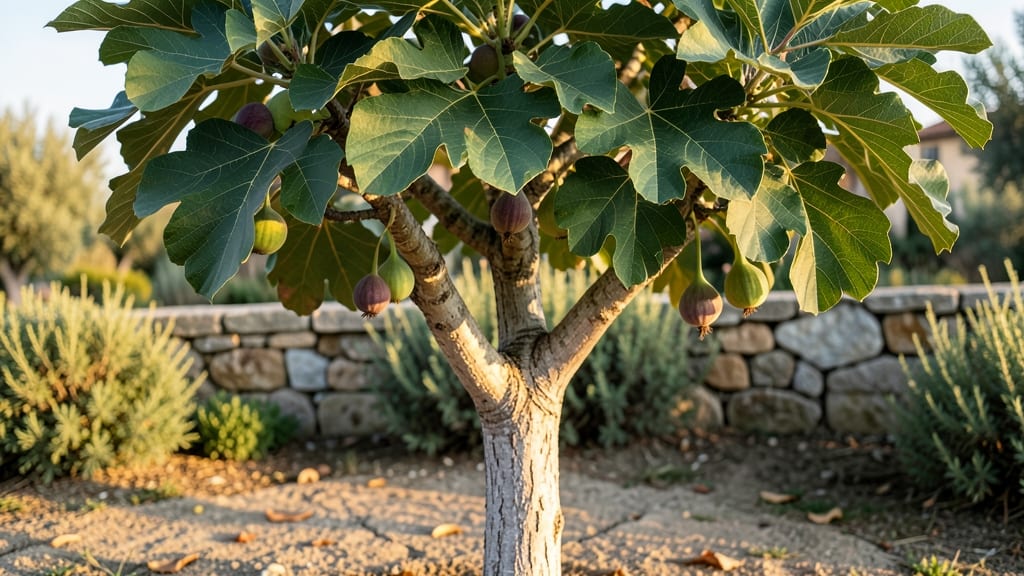
Fig trees thrive best in warm climates within USDA zones 7-10, where they demand full sun exposure, well-draining soil, and frost protection, though certain varieties can adapt to cooler climates through winter mulching or container cultivation.
Understanding the fig tree climate needs means recognizing that these trees crave warmth—ideal temperatures hover between 60-90°F during growing seasons. 🌞 The Chicago Hardy variety is a standout for cooler regions, surviving down to 15°F with proper care, while Mediterranean varieties like Brown Turkey prefer the heat of zones 8-10.
Even in their preferred zones, figs need at least 6-8 hours of sunlight daily to produce fruit, making southern exposures ideal.
For those outside zones 7-10, container growing or microclimates (like south-facing walls) can create suitable conditions. In arid zones, mulching helps retain moisture, while humid climates may require extra airflow to prevent fungal issues.
The key is matching your variety to your local climate—some figs even thrive in zone 11's heat with afternoon shade to prevent leaf scorch.
💡 In This Article
- Optimal Temperature and Sunlight for Fig Tree Growth
- Adapting Fig Trees to Different Climates: Zones and Solutions
Optimal temperature and sunlight for fig tree growth
The ideal temperature range for fig trees spans 60-90°F during active growth, with peak fruiting occurring between 75-85°F. This warmth triggers enzymatic activity in the tree's vascular system, ensuring efficient nutrient transport to developing fruit.
Below 50°F, growth slows dramatically, while temperatures above 95°F can cause leaf scorch—visible as crispy brown edges—due to excessive transpiration. 🔥 The Chicago Hardy variety stands out as an exception, capable of surviving brief dips to 15°F when properly mulched, thanks to its genetic adaptation from colder European climates.
Sunlight is equally critical, with fig trees requiring at least 6-8 hours of direct sunlight daily to produce fruit. The tree's leaves contain chlorophyll that converts sunlight into energy through photosynthesis, but they also need 12+ hours of daylight during summer to set fruit properly.
Southern exposures maximize sunlight exposure, while northern-facing walls can create microclimates that extend growing seasons by 2-4 weeks in cooler zones. In urban settings, reflective surfaces like light-colored walls can increase effective sunlight by up to 30%.
Seasonal shifts play a crucial role in fig tree health. Most varieties enter dormancy when temperatures drop below 50°F for prolonged periods, shedding leaves to conserve energy. This natural cycle allows the tree to rebuild reserves for spring growth.
However, some Mediterranean varieties like Celestial remain evergreen in ideal climates, continuing slow growth year-round. The key difference lies in their cold tolerance—Chicago Hardy can handle 15°F with proper mulching, while Mediterranean types struggle below 25°F.
Temperature extremes also affect fruit development. Figs set in warm spring weather (70-80°F) tend to be larger and sweeter, while those formed in cooler conditions (60-65°F) may be smaller but more concentrated in flavor.
This is why gardeners in cooler zones often use black plastic mulch to raise soil temperatures by 5-10°F during early spring. The mulch also suppresses weeds that compete for nutrients and moisture, creating an optimal growing environment.
Light quality matters too. Fig trees prefer full-spectrum sunlight, which provides all wavelengths needed for photosynthesis. Artificial grow lights can supplement natural light in containers, with 10,000-12,000 lux being ideal for indoor fig cultivation. LED grow lights with a red-blue spectrum ratio of 8:2 mimic natural sunlight most effectively.
In outdoor settings, pruning to open the canopy ensures inner branches receive adequate light, preventing the development of weak, non-fruiting growth.
What most gardeners don't realize is how humidity interacts with temperature. High humidity (>70%) combined with warm temperatures creates perfect conditions for fungal diseases like powdery mildew, which appears as white, powdery patches on leaves.
In contrast, dry heat (<30% humidity) can cause leaf curl as the tree conserves moisture. The solution? Balanced airflow through proper spacing (15-20 feet between trees) and strategic pruning to improve air circulation around the canopy. 💫