
Pruning
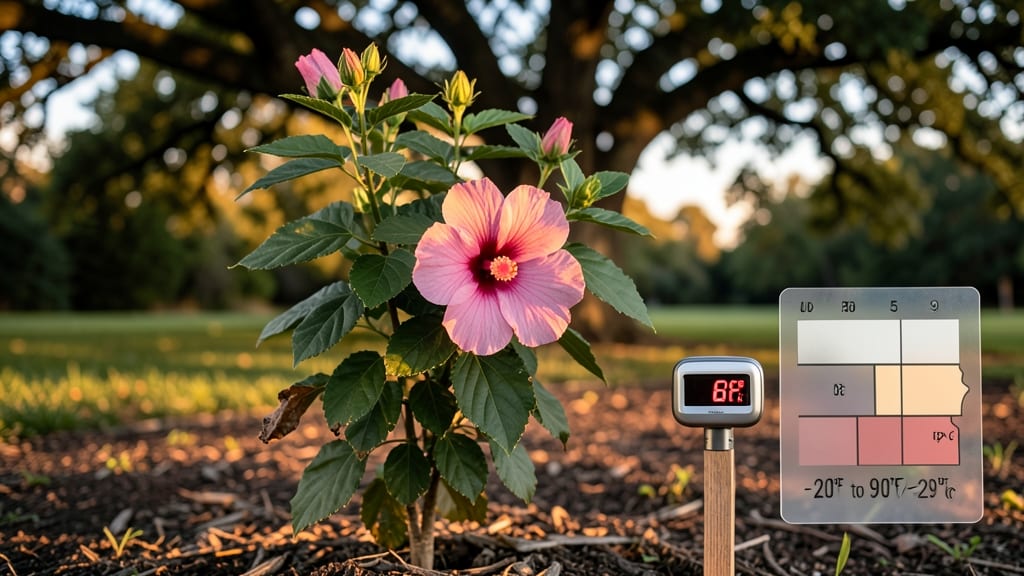
Understanding your hibiscus tree's temperature tolerance is the key to keeping it thriving in USDA Zones 9-11—where a single cold snap can turn vibrant blooms into crispy leaves.
Your hibiscus tree, with its stunning 🌺 flowers, loves warmth but isn’t built for frost. Even in the mildest winters of Zones 9-11, temperatures below 40°F can stress it, while extreme heat or sudden drops trigger wilting, leaf drop, or even death.
The good news? With the right care, you can shield it from temperature extremes and keep those blooms coming.
In this guide, I’ll break down the exact temperature ranges your hibiscus can handle, how to spot stress signs, and practical protection tips—from mulching to temporary shelters—that work for both tropical and hardier varieties.
Whether you’re in a coastal microclimate or a high-desert zone, you’ll learn how to adjust your care routine for seasonal shifts.
You’ll also discover which hibiscus types are tougher in cooler pockets of Zones 9-11, so you can choose the right plant for your climate and avoid costly mistakes. Let’s get started.
Hibiscus tree temperature tolerance: ideal ranges and danger Zones
Hibiscus trees love warmth but struggle when temperatures drop below their ideal comfort zone. Most tropical varieties thrive in USDA Zones 9-11, where winter lows rarely dip below 40°F (4°C).
However, even a single night of frost can cause irreversible damage to leaves and blooms. Understanding these temperature thresholds helps you protect your hibiscus year-round.
For tropical hibiscus species like Hibiscus rosa-sinensis, the danger zone starts at 35°F (2°C). Below this, leaves blacken, buds drop, and new growth stops. Hardy varieties such as Hibiscus syriacus can tolerate brief dips to 20°F (-7°C) but still suffer damage with prolonged cold.
Heat stress also occurs above 95°F (35°C), causing wilting and leaf scorch.
Key temperature thresholds for hibiscus care:
In USDA Zone 9, where winter lows can reach 20-25°F (-6 to -4°C), tropical hibiscus need seasonal protection like frost cloth or container movement. Zone 10 gardeners face fewer risks but should still watch for heatwaves that exceed 100°F (38°C).
Provide afternoon shade during extreme heat to prevent leaf burn and root stress.
Watch for these early warning signs of temperature stress:
- Leaves curling or turning yellow at edges (cold stress)
- Sudden wilting despite moist soil (heat stress)
- Bud drop before flowering (temperature fluctuation)
- Brown or crispy leaf edges (windburn or frost damage)
For gardeners in Zone 11, where winters rarely drop below 45°F (7°C), hibiscus can remain outdoors year-round. However, even here, unseasonal cold snaps can occur.
Monitor your local weather forecasts and prepare temporary shelters if 35°F (2°C) is predicted. Mulching with 3-4 inches of organic mulch helps insulate roots during cooler nights.
Hardy hibiscus varieties like Hibiscus moscheutos (swamp hibiscus) can handle Zone 5 climates with proper winter care, including deep mulching and wrapping trunks. These varieties often re-sprout from the base after winter dieback, proving their resilience.
Cold weather protection strategies for hibiscus trees in Zones 9-11
When cold fronts roll through your USDA Zones 9-11, your hibiscus tree can suffer from frost damage or windburn—even in mild climates. The key to winter survival lies in proactive protection before temperatures drop below 40°F (4°C).
Start by monitoring your local frost dates and preparing 3-4 weeks in advance to give your tree time to adjust.
Your hibiscus thrives in tropical conditions, but with the right strategies, you can shield it from temperature fluctuations and chilly winds. The secret? A mix of mulching, wrapping, and sheltering techniques tailored to your specific microclimate.
Even a 10°F (5.5°C) dip can stress tropical varieties, so don’t wait until the first frost to act.
🌱 Hibiscus Cold Protection Checklist
- 1. Mulch Base: Apply 4-6 inches of organic mulch (straw or wood chips) to insulate roots.
- 2. Wrap Trunk: Use burlap or tree wrap to block windburn and frost cracks.
- 3. Temporary Shelter: Cover with frost cloth or bubble wrap when temps drop below 45°F (7°C).
- 4. Prune Strategically: Trim weak branches before winter to reduce cold stress on the canopy.
- 5. Water Deeply: Soak soil 1 week before first frost to prepare roots for dormancy.
Let’s start with mulching, the first line of defense for your hibiscus roots. A thick layer of organic mulch (like straw or wood chips) acts as an insulating blanket, keeping soil temperatures 5-10°F warmer than ambient air.
For young trees, spread 6 inches of mulch in a donut shape around the base, avoiding direct contact with the trunk to prevent rot. In Zone 9, where frosts are rare but possible, mulch in early November to give roots time to adjust.
Next, protect the trunk and branches from windburn and frost cracks using burlap wraps or tree guards. Wrap the trunk tightly with breathable fabric (like burlap or frost cloth) and secure it with twine.
For larger branches, use plastic tree sleeves filled with straw to add extra insulation. This is especially critical in Zone 11, where sudden cold snaps can still occur despite warm averages.
When overnight temperatures dip below 45°F (7°C), it’s time to deploy temporary shelters. Cover your hibiscus with a frost cloth or lightweight blanket, securing it with clips or stakes to prevent wind damage.
Remove the cover by 10 AM to allow sunlight and airflow. For extreme cold events (below 32°F/0°C), consider a clear plastic tunnel to trap heat while still permitting light.
Adjust your watering schedule as temperatures drop. Reduce frequency to every 10-14 days in fall and winter, but ensure the soil remains moist (not soggy). Overwatering in cold weather can stress roots and increase fungal risks.
In Zone 10, where frosts are occasional, you might still water weekly during dry spells, but always in the morning to allow foliage to dry before nightfall.
Finally, prune damaged branches in late winter (after the last frost risk) to encourage new growth. Look for blackened leaves, cracked bark, or dieback—signs of cold stress.
Sterilize your pruners with rubbing alcohol to prevent disease spread. With these strategies, your hibiscus can survive—and even thrive—through mild winters in Zones 9-11. 🌿