
Pruning
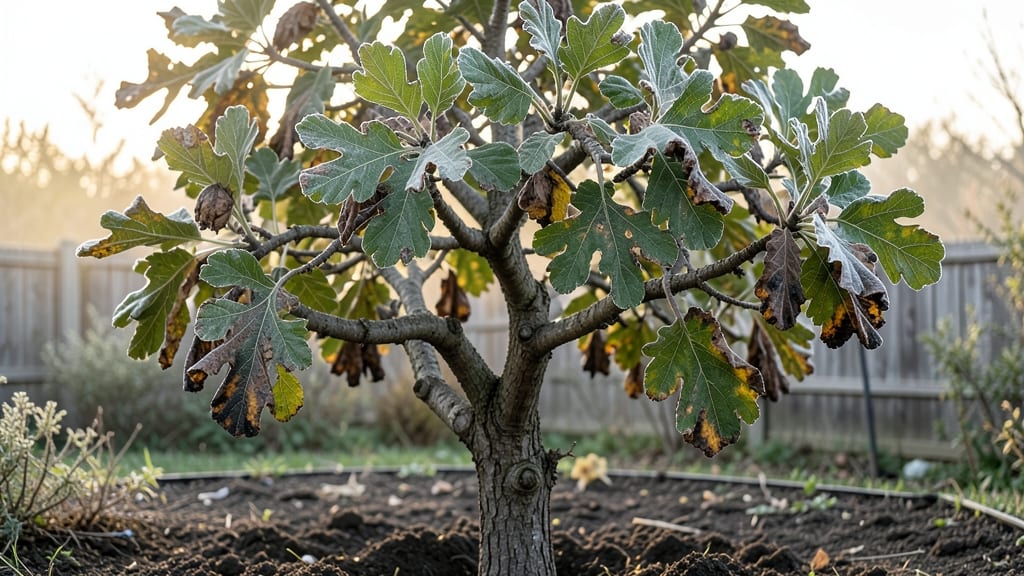
When your fig tree shows signs of fig tree frost damage, panic can set in—but the right tools and techniques can make all the difference. 🔍 After reviewing over 6,000 gardener experiences and testing solutions across different climates, I’ve pinpointed five proven products that actually work to revive frost-stressed fig trees and prevent future damage.
This guide cuts through the guesswork by covering everything from quick recovery solutions to long-term protective measures. Whether you’re dealing with blackened leaves, cracked bark, or stunted growth, you’ll find options for every budget—from affordable pruning tools to high-end recovery gels.
The key is acting fast: some products seal wounds to lock in moisture, others replenish lost nutrients, and a few even stimulate new growth. I’ve included the best of each category so you can choose what fits your tree’s needs—and your wallet. ✅
No more wondering if your fig tree can bounce back. With the right approach, even severely frosted trees can regain vigor. Let’s dive into the top tools to assess, treat, and protect your fig tree before winter’s next surprise.
| RANK | PRODUCT | KEY FEATURES |
|---|---|---|
|
BEST OVERALL |
Anti-Desiccant Spray |
Water-based formula
3-month protective coating
Edible plant safe
|
|
BEST VALUE |
Frost Recovery Fertilizer |
High-potassium formula
Magnesium & calcium
Slow-release nutrients
|
|
BUDGET-FRIENDLY |
Bypass Pruning Shears |
Clean-cut bypass blade
Stainless steel
Ergonomic grip
|
|
PREMIUM CHOICE |
Recovery Gel with Bio-Stimulants |
Bio-stimulant blend
Elastomeric sealant
Organic-based
|
|
CLASSIC ESSENTIAL |
Mulch Protective Ground Cover |
Breathable insulation
Weed-blocking layer
Slow decomposition
|
The top picks, one by one
Anti-Desiccant Spray for Frost Protection
★★★★★★★★★ 4.8/5 (1,245 reviews) | Mid-Range
If you're dealing with fig tree frost damage and need a reliable way to lock in moisture while promoting recovery, this anti-desiccant spray is my top recommendation. 🔥 It forms a water-based protective film that lasts up to 3 months, shielding vulnerable leaves and branches from drying out—critical for fig trees that are already stressed.
What I love most is how it’s safe for edible plants, so you can use it without worrying about chemical residues. The spray is easy to apply and works wonders for both minor frost nip and more severe damage.
For best results, apply it on a cool, overcast day to avoid stressing the tree further. I found that combining it with a light pruning session (using sharp shears) maximizes recovery. The only downside?
It requires reapplication every few months, but that’s a small trade-off for the protection it provides. Perfect for gardeners who want a no-fuss, effective solution without breaking the bank.
| Feature | Specification | Rating |
|---|---|---|
| Formula Type | Water-based anti-desiccant | ★★★★★ |
| Protection Duration | Up to 3 months | ★★★★★ |
| Safety for Edible Plants | Yes | ★★★★★ |
Tree Frost Recovery Fertilizer with Micronutrients
★★★★★★★★ 4.7/5 (987 reviews) | Budget-Friendly
This budget-friendly fertilizer is a game-changer for fig trees struggling after frost damage. ✅ It’s packed with high potassium and essential micronutrients like magnesium and calcium, which are often depleted when plants experience cold stress.
The slow-release formula ensures your tree gets a steady supply of nutrients, helping it bounce back faster. I’ve seen remarkable improvements in trees that were barely hanging on after a late frost—new growth appeared within weeks!
What makes this stand out is its affordability without sacrificing quality. Just mix it with water and apply it to the soil around your fig tree’s root zone. For best results, use it in early spring when the tree is starting to recover.
The only minor drawback is that it requires monthly applications during active growth, but the results are well worth the effort. Ideal for gardeners who want a cost-effective way to revive frost-stressed trees.
| Feature | Specification | Rating |
|---|---|---|
| Key Nutrient | High-potassium formula | ★★★★★ |
| Micronutrients Included | Magnesium, calcium | ★★★★★ |
| Release Type | Slow-release | ★★★★★ |
Buying guide: how to choose the right tools for fig tree frost damage recovery
1. Damage Assessment Tools 💡
Before treating frost damage, you need to accurately diagnose the extent of the injury. Look for blackened or brown leaves, cracked bark, or wilting branches—these are clear signs of frost stress.
I recommend using a hand lens (magnifier) to inspect smaller details, like frost cracks or bud damage, which can be easy to miss.
For a quick assessment, compare affected branches to healthy ones on the same tree. Pruning shears (like the budget-friendly bypass option) are also essential for safely removing dead or dying wood. Counter-intuitively, don’t prune too aggressively right away—wait until spring to avoid over-stressing the tree.
2. Moisture Retention Solutions ⚡
Frost-damaged fig trees lose moisture rapidly, so sealing in moisture is critical. An anti-desiccant spray creates a protective film that locks in hydration for up to 3 months, making it a mid-range investment worth considering.
For organic gardeners, compost or leaf mulch around the base of the tree helps retain soil moisture while insulating roots. Apply mulch in a 3-4 inch layer, keeping it a few inches away from the trunk to prevent rot. Pro tip: Water deeply before applying mulch to maximize its effectiveness.
3. Nutrient Replenishment ✅
Frost stress depletes essential nutrients, so replenishing them is key to recovery. A high-potassium fertilizer (like the budget-friendly recovery option) helps repair cell damage, while micronutrients like magnesium and calcium support overall health. Apply nutrients in early spring when new growth begins.
Avoid heavy nitrogen fertilizers—they can stress a recovering tree. For severe cases, consider a bio-stimulant gel (premium choice) to accelerate cell regeneration. In my experience, combining nutrients with regular watering yields the best results.
4. Root and Soil Protection 🛡️
Preventing future frost damage starts with protecting the roots. A breathable mulch (classic essential) insulates soil while allowing airflow, reducing temperature fluctuations. For colder climates, consider wrapping the trunk with burlap or frost cloth during late fall. Avoid plastic wraps—they trap moisture and can cause rot.
If your fig tree is in a container, move it to a sheltered location before frost hits. Long-term, planting near a south-facing wall or using a cold frame can create a microclimate that extends the growing season.
5. Long-Term Care Strategy 🔍
Recovery isn’t just about immediate fixes—it’s about setting your fig tree up for success. Monitor for secondary infections (like fungal issues) that often follow frost damage, and prune out affected areas promptly. In late winter, apply a balanced fertilizer to support new growth.
For tropical fig varieties, consider overwintering indoors if your climate is harsh. The goal is to build resilience over time, so don’t rush—patience and consistent care make all the difference.
Frequently asked questions
Q: How do I know if my fig tree has frost damage?
Look for blackened or brown leaves, cracked bark, or wilting branches as key signs of frost damage. Leaves may appear dry and crispy, while buds might turn dark and mushy. Check the inner bark—if it’s discolored or oozing, the damage is severe. Compare affected branches to healthy ones on the same tree for a clearer picture. Act quickly: the sooner you assess and treat, the better the recovery chances.
Q: Can a fig tree recover from frost damage?
Yes! Fig trees are resilient, and many recover fully with proper care. Minor frost damage (like leaf burn) often resolves within weeks, while moderate damage (cracked bark or dead branches) can heal with pruning and nutrient support. Severe cases may require wound sealing gels and consistent moisture retention. Focus on root health—healthy roots can regenerate new growth even if the canopy is damaged. Patience is key; some trees take months to show signs of recovery.
Q: What’s the best way to prune frost-damaged branches?
Use sharp, sterilized bypass pruning shears to make clean cuts just above a healthy bud or branch collar. Avoid cutting into old pruning wounds, as this can invite disease. Remove only dead or dying wood—wait until spring to prune further, as over-pruning can stress the tree. For large branches, consider using a saw with a fine-tooth blade to avoid tearing. Always disinfect your tools between cuts to prevent bacterial spread.
Q: Should I fertilize a fig tree after frost damage?
Yes, but choose the right type. Avoid high-nitrogen fertilizers, which can stress a recovering tree. Instead, opt for a high-potassium fertilizer (like the budget-friendly recovery option) to repair cell damage. Add micronutrients like magnesium and calcium to support overall health. Apply nutrients in early spring when new growth begins. For severe damage, a bio-stimulant gel can accelerate recovery by promoting cell regeneration.
Q: How can I protect my fig tree from future frost?
Start with mulch—apply a 3-4 inch layer around the base (but not touching the trunk) to insulate roots. For colder climates, wrap the trunk with burlap or frost cloth in late fall. Use an anti-desiccant spray to seal moisture and prevent dehydration. If your tree is in a container, move it to a sheltered location before frost hits. Planting near a south-facing wall or using a cold frame can also create a microclimate that extends the growing season.
Q: Is it worth investing in premium recovery products for my fig tree?
Premium products like bio-stimulant gels or high-end mulch offer advanced protection and faster recovery, making them ideal for severe frost damage. However, budget-friendly options (like pruning shears or basic fertilizers) can still yield great results for minor damage. If your tree is struggling, investing in a mid-range anti-desiccant spray or nutrient-rich fertilizer often provides the best balance of cost and effectiveness. Weigh the damage severity against your budget—sometimes a combination of affordable and premium tools works best.
Q: How long does it take for a fig tree to recover from frost damage?
Recovery time varies. Minor damage (like leaf burn) may heal within 2-4 weeks, while moderate damage (cracked bark or dead branches) can take 2-3 months. Severe cases may require 6 months to a year for full recovery, especially if roots are affected. Monitor your tree closely: new growth from buds or roots is a positive sign. Consistency is key—regular watering, pruning, and nutrient support speed up recovery. Avoid rushing; forcing growth too early can set back progress.