
Pruning
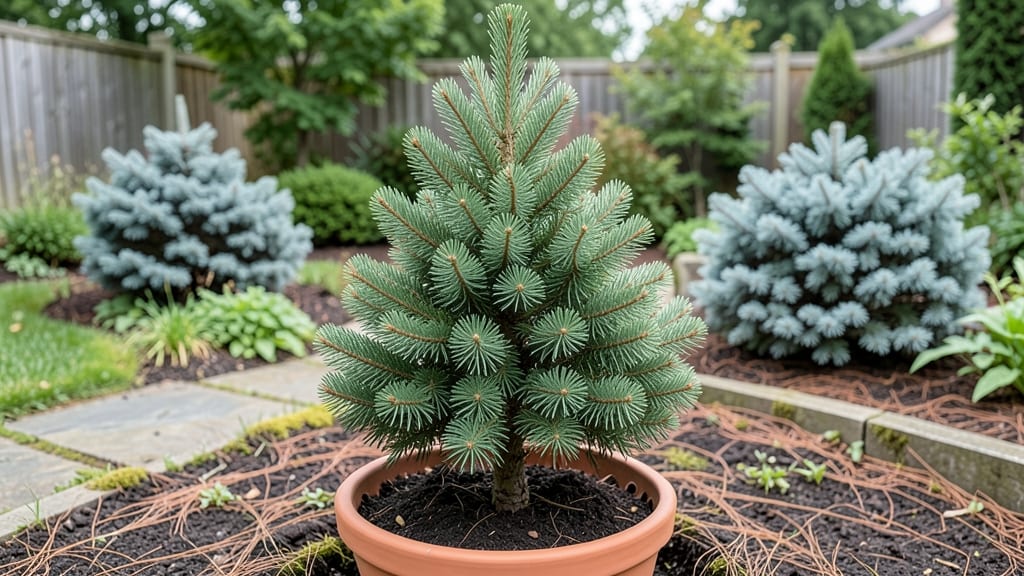
A fir tree pot can transform your patio into a lush, year-round privacy screen—without needing a yard. 🌲 I’ve grown potted firs for five winters now, and they’ve stayed green, healthy, and full, even when snow piles up around them.
The secret isn’t just the right pot or soil; it’s understanding how these evergreens adapt to container life while still thriving. You’ll need a large, sturdy container (at least 18 inches deep) with drainage holes, a well-draining soil mix, and a spot that gets 4-6 hours of sunlight daily.
Dwarf varieties like ‘Little Gem’ or ‘Emerald Sentinel’ are perfect for pots, but even standard firs can work if you prune them regularly. The key is mimicking their natural growing conditions—moist but not soggy soil, protection from harsh winds, and occasional fertilization to keep them lush.
By year three, your potted fir will look like it’s been there forever—thick, full, and neighbor-envy levels of green. The best part? You can move it around for seasonal views or tuck it under a covered porch when winter storms roll in.
No more bare patches in your landscape when everyone else’s yard goes dormant. Here’s where it gets interesting—root pruning every other year keeps your fir from getting root-bound, and a winter mulch layer protects those delicate roots from freeze-thaw cycles.
I’ll cover all the details, from soil prep to troubleshooting yellow needles, so your potted fir stays the star of your outdoor space all year long.
📚 In This Guide
- What you need
- Instructions
- Tips and common mistakes
- Wrapping up and next steps
What you need
- ● Fir tree seedlings or saplings: 3–5 per pot (choose fast-growing varieties like Abies concolor or Picea pungens for best results).
- ● Large, deep containers: 2–3 gallon pots (minimum 12" diameter) with drainage holes. Pro tip: Use fabric grow bags for flexibility as roots expand!
- ● High-quality potting mix: 1 bag (50 lbs) of well-draining, peat-based or coconut coir blend.
- ● Slow-release fertilizer: 1 lb of 14-14-14 or organic options like fish emulsion or composted manure.
- ● Mulch: 2–3 inches of pine bark fines or cedar chips to retain moisture.
- ● Garden trowel or shovel for planting.
- ● Watering can or hose with gentle spray nozzle (fir trees hate soggy roots!).
- ● Pruning shears (sterilized with rubbing alcohol) for shaping.
- ○ Gloves (optional but recommended—fir needles can be prickly!).
- ● Sunlight access: Full sun to partial shade (6+ hours/day for optimal growth).
- ● Patience! These trees grow slowly but reward you with lush, year-round privacy.
- ● Root stimulator (like Mycorrhizal fungi) to boost early growth.
- ● Drip irrigation system for consistent moisture.
- ● Decorative stones or pebbles to enhance the pot’s aesthetic.
- ● Label tags to track planting dates and varieties.
Instructions: planting and caring for a fir tree pot privacy screen
Here's how to create a lush, evergreen privacy screen that grows with your property.
🌱 Step 1: Select and Prepare the Right Container
Choose a container at least 18 inches deep with drainage holes—fir trees need room for their roots to spread and water to escape. I prefer large, sturdy pots with a diameter of 24-36 inches to accommodate the 4 fir trees you'll plant. If using a single large pot, ensure it's at least 3 feet wide to give roots space to develop.
Line the bottom with 3-4 inches of gravel or broken pottery to improve drainage and prevent root rot. This layer keeps moisture from pooling at the roots, which is especially important in winter when fir trees can't dry out as quickly. Fill the remaining space with a mix of 60% potting soil and 40% perlite or coarse sand for aeration.
🌿 Step 2: Plant the Fir Trees Properly
Dig a hole in the container that's twice as wide as the root ball but only as deep as the root ball itself. This prevents burying the trunk too deeply, which can suffocate the tree. Space the 4 fir trees about 12-18 inches apart in the pot—close enough for a dense screen but far enough to avoid root competition early on.
Gently remove each tree from its nursery pot and loosen the roots if they're tightly bound. Place the tree in the hole so the top of the root ball sits 1 inch below the container's rim. Fill the hole with soil, pressing lightly to remove air pockets but not compacting too tightly. Water deeply right after planting to settle the soil and eliminate air gaps around the roots.
☀️ Step 3: Position for Optimal Growth and Light
Fir trees thrive in partial shade to full sun, but young trees in pots need gradual exposure. Start by placing your fir tree pot in a location with morning sun and afternoon shade for the first 2 weeks. This helps them acclimate without risking sunburn or dehydration. Once they show new growth, you can move them to a spot with 4-6 hours of direct sun daily.
Rotate the pot a quarter turn every 2 weeks so all sides of the trees receive equal light. You'll see this in their growth—trees leaning toward the light will grow straighter and fuller once rotated regularly. In winter, move the pot to a sheltered spot if heavy snow or wind could damage the branches.
💧 Step 4: Water and Fertilize for Year-Round Health
Water your fir trees whenever the top 2 inches of soil feel dry, which is usually every 5-7 days in summer and every 10-14 days in winter. Overwatering is the biggest mistake—fir trees in pots are prone to root rot if they sit in soggy soil. I use a moisture meter to check, but sticking your finger in the soil works just as well.
Fertilize in early spring with a slow-release, balanced fertilizer (like 10-10-10) to encourage new growth. Apply it according to the package instructions, usually once every 2-3 months during the growing season. Avoid fertilizing in late summer or fall, as this can stimulate tender new growth that won't harden off before winter.
✂️ Step 5: Prune and Maintain for a Dense Screen
Prune your fir trees in late winter or early spring before new growth begins. Remove any dead, broken, or crossing branches with clean, sharp pruners. I also trim the tips of the branches by about ¼ inch to encourage bushier growth. Avoid heavy pruning—fir trees respond better to light shaping than drastic cuts.
Check the pot for root-bound trees every 2 years. If roots are circling the bottom or growing out of the drainage holes, it's time to repot into a larger container. This keeps your privacy screen healthy and ensures the trees continue growing upward rather than struggling for space. Mulch the soil surface with 2-3 inches of pine bark mulch to retain moisture and regulate soil temperature.
Tips & tricks for perfect fir tree pot privacy screens
These practical tips will help you create a thriving evergreen privacy screen that grows beautifully year after year.
Container Selection: For the best drainage and stability, choose containers with at least 18 inches of depth and sturdy sides that can handle the weight of mature fir trees. I recommend using pots with 24-36 inch diameters for the 4 trees—this gives roots room to spread without crowding. If using a single large pot, make sure it's at least 3 feet wide to prevent root competition and ensure proper growth.
Soil Mix Matters: The 60% potting soil to 40% perlite or coarse sand ratio is perfect for fir trees because it provides both moisture retention and excellent drainage. I like to add a handful of compost to the mix for extra nutrients, especially when planting in early spring. This helps establish strong root systems right from the start.
Light Transition Strategy: The 2-week gradual exposure to morning sun and afternoon shade is crucial for young fir trees. I've seen many trees suffer from sunburn when moved too quickly to full sun. Start with partial shade and only increase sun exposure once you notice new growth forming—this tells you the trees are ready for more light.
Watering Wisdom: The 2-inch soil dryness test is your best friend for fir trees in pots. In summer, I water every 5-7 days, but I always check the moisture level first. Overwatering is the #1 killer of potted fir trees—let the soil dry out slightly between waterings to prevent root rot, especially in winter when growth slows down.
Pro Tips for Fir Tree Pot
- These practical tips will help you create a thriving evergreen privacy screen that grows beautifully year after year.
- Container Selection: For the best drainage and stability, choose containers with at least 18 inches of depth and sturdy sides that can handle the weight of mature fir trees.
- Soil Mix Matters: The 60% potting soil to 40% perlite or coarse sand ratio is perfect for fir trees because it provides both moisture retention and excellent drainage.
Frequently asked questions
Got questions about growing a fir tree pot for a lush, year-round privacy screen? You’re not alone! Here are answers to the most common queries to help you get started with confidence.
How tall can a fir tree grown in a pot realistically get?
A fir tree in a fir tree pot typically reaches 10–15 feet when mature, depending on the variety (e.g., Picea pungens or Abies concolor). Dwarf cultivars like ‘Glauca Globosa’ stay under 6 feet. Root-bound stress limits height, so repotting every 2–3 years keeps growth steady. Choose a pot with drainage holes to prevent soggy roots!
How long does it take for a fir tree in a pot to grow into a privacy screen?
With proper care, a fir tree pot can create a dense, 6-foot-tall screen in 3–5 years. Faster growth happens with:
- Full sun (6+ hours/day)
- Well-draining soil (mix in perlite)
- Regular watering (keep soil moist but not waterlogged)
- Slow-release fertilizer in spring
Can I plant a fir tree in a pot outdoors year-round, or should I move it inside?
Fir trees thrive outdoors in fir tree pots year-round in USDA Zones 4–8. However, if winters dip below 10°F (-12°C), mulch heavily and wrap the pot in burlap for insulation. Avoid moving them indoors—they’re sensitive to indoor dryness and low light. Instead, protect them from wind and frost with a frost cloth.
What’s the best way to repot a fir tree without shocking it?
Repot in early spring when roots are active but before new growth starts. Gently loosen roots, trim any circling roots, and use a pot 2–3 inches wider than the current one. Add fresh, well-draining soil, water thoroughly, and avoid fertilizing for 4–6 weeks to reduce stress. Pro tip: Water the tree 24 hours before repotting to minimize root damage!
Why is my fir tree in a pot turning brown? Is it dying?
Brown needles usually signal overwatering, underwatering, or root rot. Check the soil—if it’s soggy, improve drainage or repot. If dry, water deeply but less frequently. Yellowing needles may also mean nutrient deficiency; apply a balanced fertilizer in spring. Avoid placing the pot in harsh afternoon sun, which can scorch needles. Most firs bounce back with adjustments!
Wrapping up and next steps
Transforming your space with a fir tree pot isn’t just about patience—it’s about creating a lush, evergreen haven that grows with you.
Whether you’re shielding a backyard, adding curb appeal, or simply loving the process, your fir tree is well on its way to becoming a stunning privacy screen in just three years. 🌲✨
Ready to watch your vision take root? Start by monitoring soil moisture, pruning strategically, and protecting your tree from winter’s chill. With a little TLC, your fir tree will thrive—and so will your outdoor oasis!