
Planting
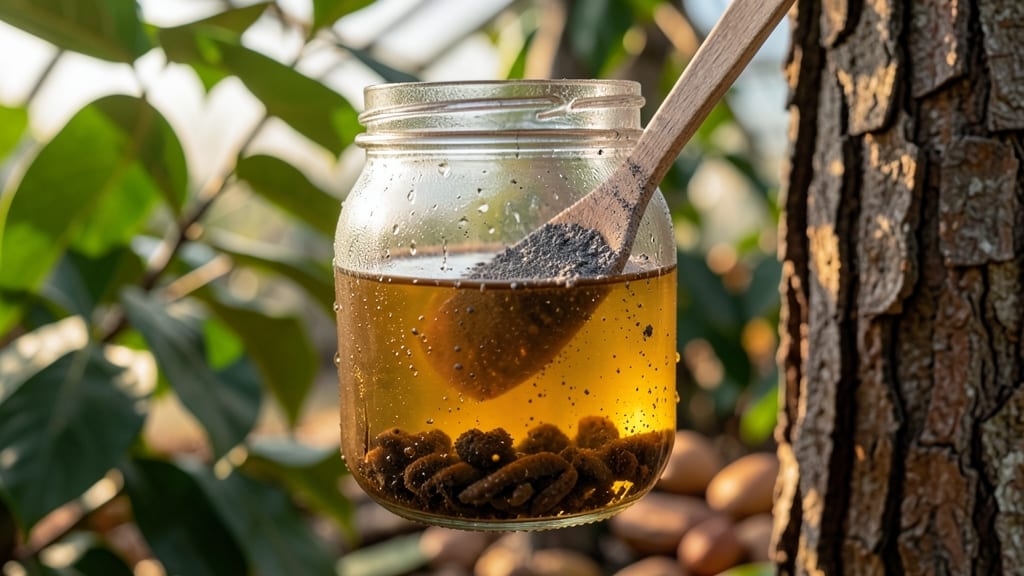
Transforming wood ashes into thriving trees isn't just eco-friendly—it's a time-tested way to jumpstart growth. These 10 ash-based methods accelerate germination while nurturing robust saplings, perfect for gardeners with limited resources or a passion for sustainable forestry.
Ash-Enriched Compost Seed Starter
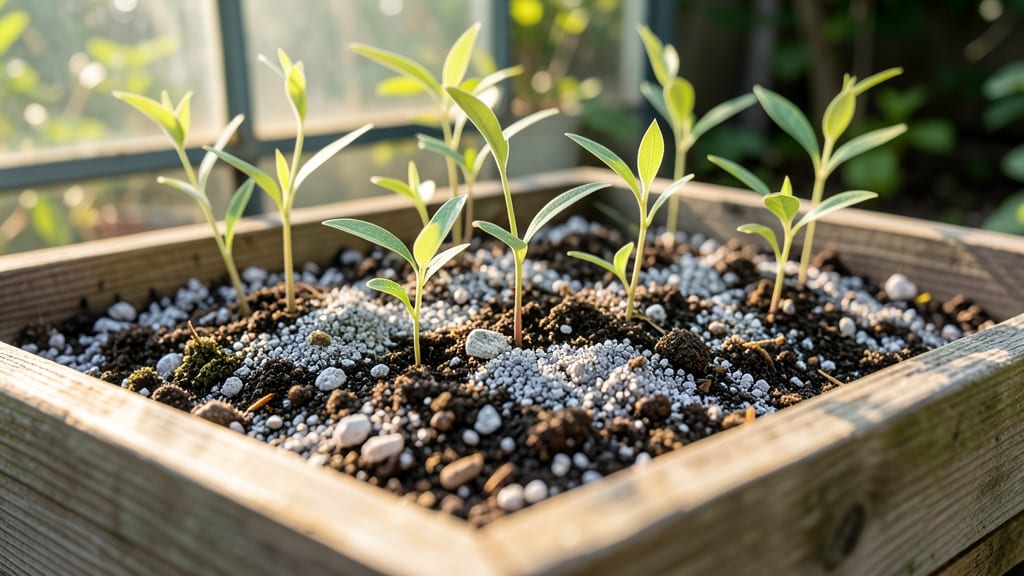
Struggling with fragile saplings that wilt during transplant? An ash-enriched compost starter gives delicate trees like willow or birch the potassium boost they need to establish strong roots before ever leaving their seedling trays.
Mix 1 part wood ash into 10 parts compost—this ratio provides essential nutrients without raising soil pH too high. The ash’s gritty texture improves drainage while its potassium content helps seedlings resist transplant shock. Keep trays under clear plastic domes to maintain humidity, and water only when the top inch feels dry.
This method is perfect for gardeners with limited space or those propagating slow-growing native species. The upfront effort pays off with hardier saplings ready for outdoor planting in half the usual time. 🌱
Direct Ash-Soil Layering Technique
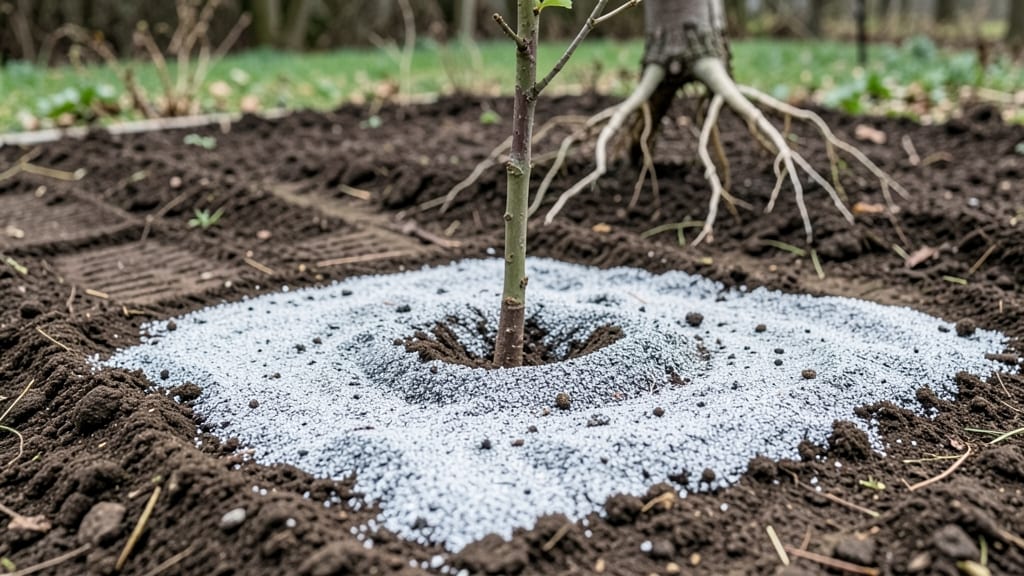
Want to grow poplar or sycamore trees faster without the hassle of mulch? The direct ash-soil layering technique skips the compost step entirely by spreading a thin layer of wood ash directly over bare soil before planting. This method creates a nutrient-rich barrier that retains moisture while smothering weeds—ideal for fast-growing species that thrive in loose, fertile soil.
Start by spreading a ½-inch layer of fine wood ash over your planting area, then lightly rake it into the top inch of soil. Plant your sapling directly into this layer, which will gradually break down to release potassium and calcium while improving soil structure. Water lightly to help the ash settle, and repeat the ash layer every 3-4 months to maintain benefits. This technique works best in full sun to partial shade and is perfect for gardeners who want low-maintenance, high-impact results.
Urban gardeners and small-acreage landowners will love this method—it’s a game-changer for establishing trees quickly with minimal upkeep. Just avoid overdoing it, as too much ash can raise soil pH too high. 🌿
Ash-Infused Hydroponic Cloning
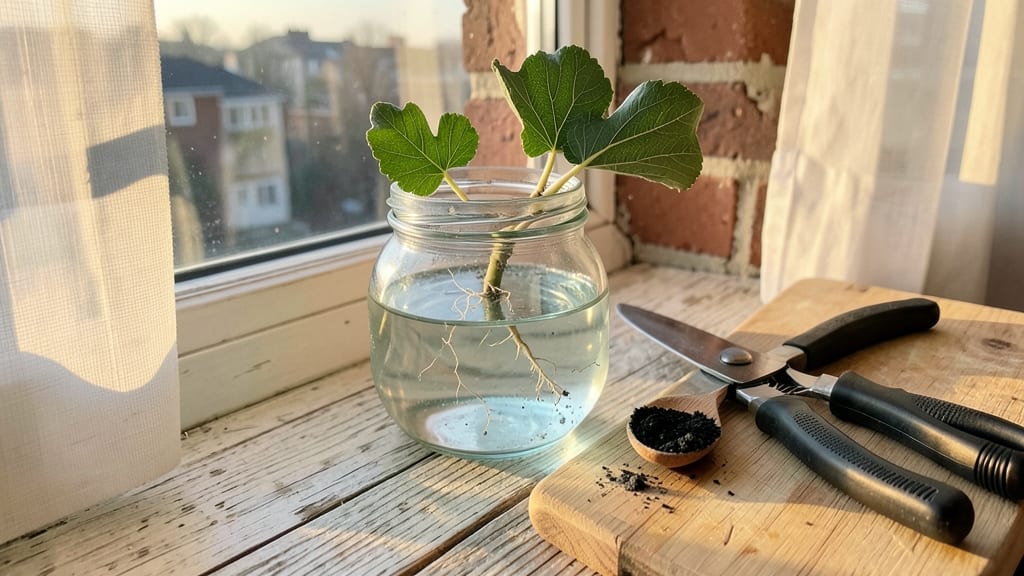
Urban gardeners with limited space can now clone their own fig or olive tree cuttings using a simple hydroponic system—without the risk of root rot. The secret? A pinch of wood ash in your water acts as a natural fungicide, keeping harmful pathogens at bay while promoting root growth in just 2-3 weeks.
Start by dissolving 1 teaspoon of ash in 1 gallon of water (let it settle for 24 hours first). Place your 4-6 inch cuttings in this solution, ensuring the base is submerged but leaves stay dry. Add an air stone for oxygenation and keep the setup in bright, indirect light. This method works best with semi-hardwood cuttings taken in late spring or early fall.
Perfect for small balconies or windowsills, this technique lets you propagate woody plants without soil—ideal for those with limited gardening space or strict organic practices. 🌱
Charcoal-Ash Seed Pelletizing
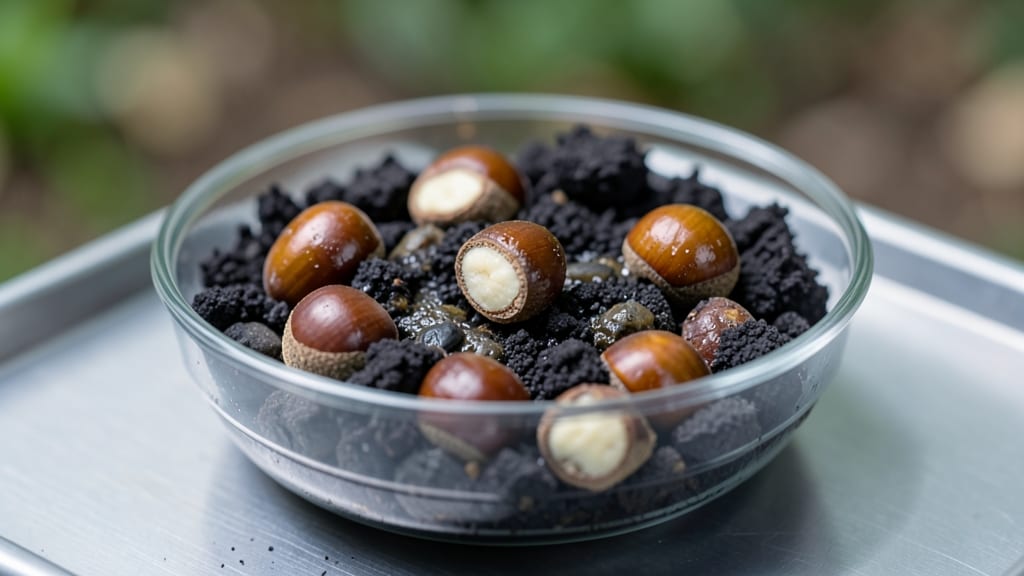
When high-value seeds like walnut or chestnut need protection from pests and consistent moisture, charcoal-ash pelletizing delivers precision. This method encases seeds in a nutrient-rich, pest-repellent shell that mimics natural soil conditions while preventing drying or fungal attacks.
Start by mixing activated charcoal with wood ash in a 1:2 ratio, then blend with a small amount of water to form a paste. Roll this mixture around each seed to create a protective, porous coating. The charcoal regulates moisture while the ash provides essential potassium and calcium, creating an ideal microclimate for germination. Store pellets in a cool, dry place until planting.
This technique is a game-changer for gardeners growing slow-germinating or expensive seeds, as it eliminates guesswork about moisture levels and pest threats. Perfect for nurseries or serious homesteaders! 🌱
Mycorrhizal Ash Blend Method
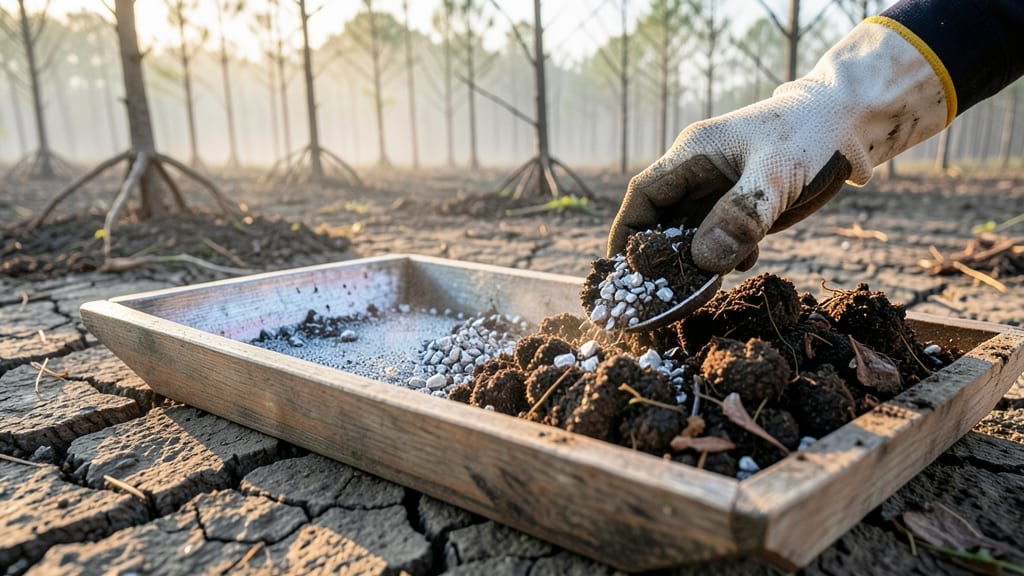
Struggling to establish oak or pine seedlings in depleted soil? The mycorrhizal ash blend method transforms barren ground into a fungal-friendly haven, accelerating root growth where nature has failed.
Start by mixing wood ash (from untreated hardwoods) with compost in equal parts, then add a handful of store-bought mycorrhizal inoculant per gallon of blend. Gently work this mixture into the planting hole, ensuring the seedling's roots make direct contact with the fungi. This combo provides potassium-rich nutrients while creating the ideal environment for beneficial fungi to colonize roots—critical for trees in poor soil.
Forestry experts swear by this technique for reforestation projects, but it's equally valuable for backyard gardeners reviving struggling saplings. The key is patience—mycorrhizal networks take 4-6 weeks to establish, but once formed, they'll support trees for decades. 💚
Ash Tea Soil Drenching
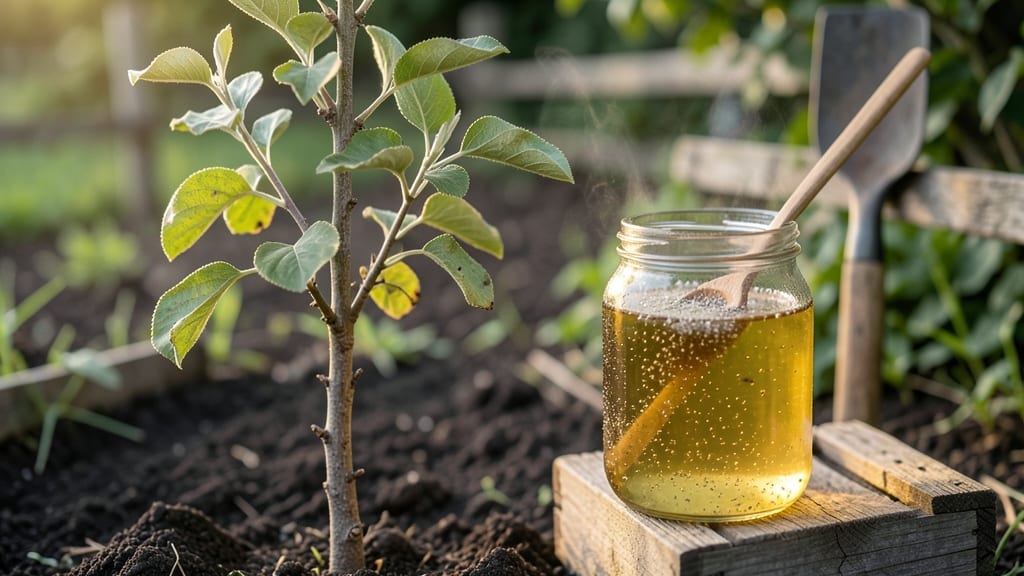
Struggling with apple or pear saplings that refuse to thrive? Ash tea soil drenching delivers nutrients and a foliar boost in one simple step—no digging required. This liquid gold (literally!) dissolves wood ashes in water to create a potassium-rich elixir that strengthens cell walls and jumpstarts growth.
Mix 1 cup of unscented wood ashes with 1 gallon of warm water, stir well, and let steep for 24 hours. Strain through cheesecloth, then apply directly to soil and foliage every 4-6 weeks during growing season. The foliar spray helps prevent fire blight while the soil drench improves root uptake—ideal for acid-loving fruit trees that need a gentle pH boost.
This method is perfect for urban gardeners with limited space or organic growers avoiding synthetic fertilizers. Just avoid overuse—too much ash can raise soil pH too quickly. 🌟
Biochar-Enhanced Ash Planters
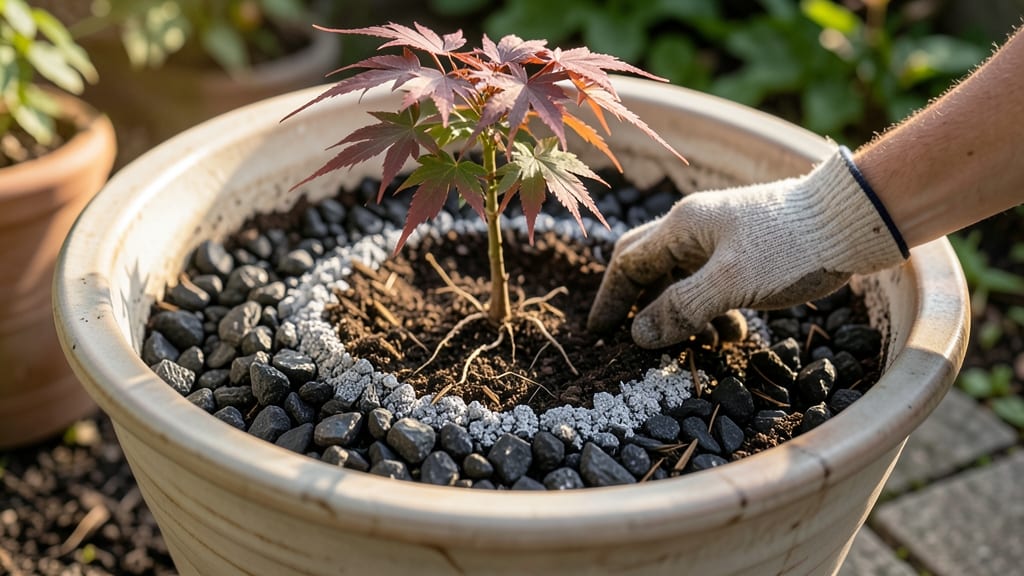
If you’ve ever struggled to keep your Japanese maple thriving in containers, biochar-enhanced ash planters could be your game-changer. This method marries the carbon-capturing power of biochar with the nutrient-rich alkalinity of wood ash, creating a well-draining, nutrient-dense mix that mimics the tree’s ideal growing conditions.
Start by mixing equal parts biochar, wood ash, and coco coir—this blend retains moisture while preventing compaction. The biochar acts as a sponge for nutrients, while the ash provides a slow-release boost of potassium and calcium. For best results, add a handful of worm castings to balance the mix’s alkalinity. This approach is especially valuable for urban gardeners with limited space, as it supports healthy root development in confined containers.
This technique isn’t just practical—it’s sustainable. By sequestering carbon while enriching your soil, you’re giving your Japanese maple the perfect foundation for vibrant foliage and sturdy growth. 🌿
Ash-Bark Mulch Layering
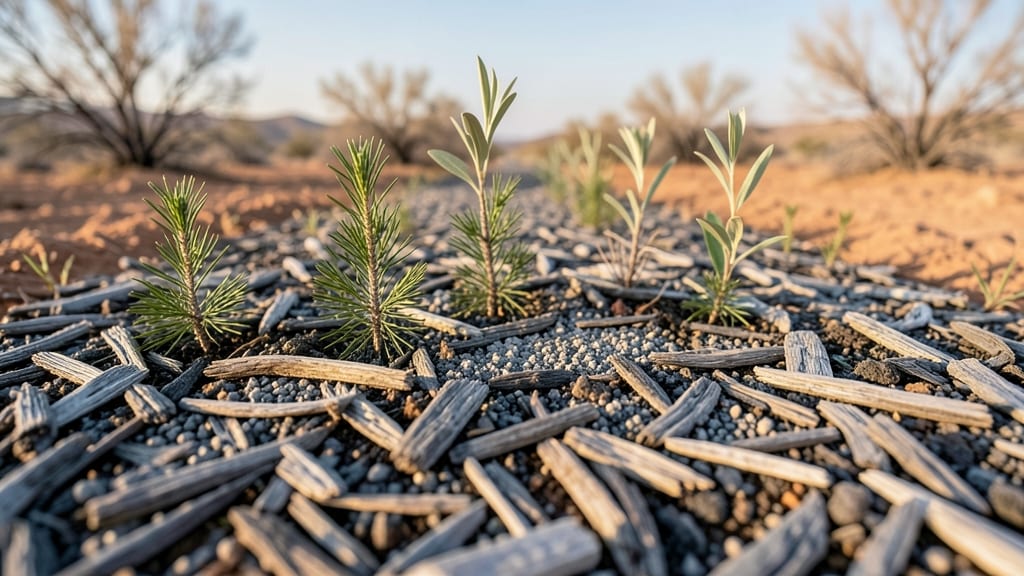
If you're struggling with weeds in your drought-prone garden, ash-bark mulch layering could be your game-changer. This dual-purpose technique smothers weeds while stabilizing soil temperature—ideal for juniper or desert willow that thrive in arid conditions.
Start by mixing wood ash (1 part) with coarse bark mulch (3 parts) and spread a 2-3 inch layer around your tree's drip line. The ash raises soil pH slightly, while the bark retains moisture and insulates roots from extreme heat or cold. Refresh the layer annually to maintain effectiveness.
Perfect for gardeners in semi-arid climates, this method reduces watering needs by up to 40% while creating a natural barrier against invasive weeds. Your drought-resistant plants will thank you with stronger growth and less maintenance. 🌻
Electrolyte-Enhanced Ash Solution
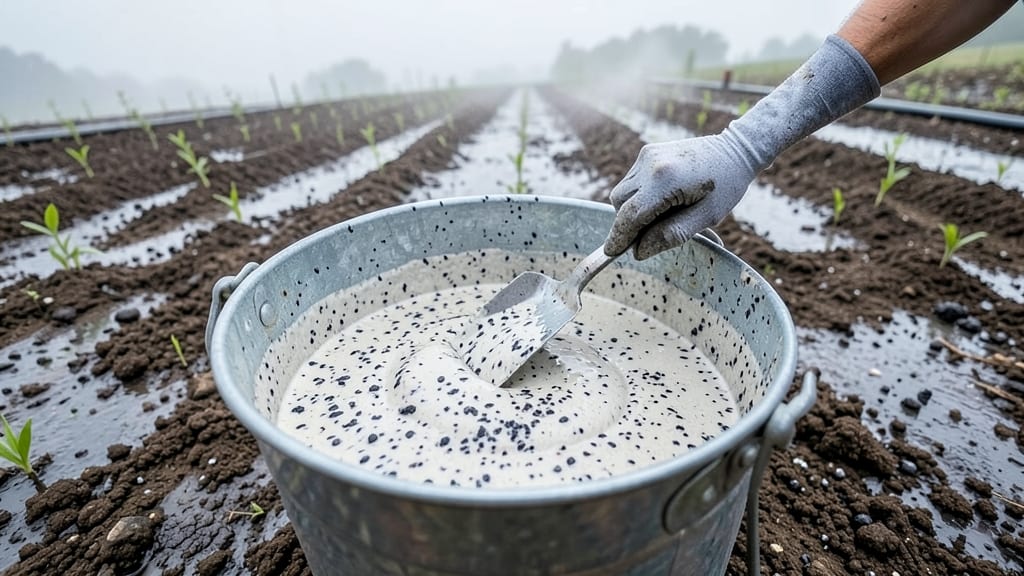
When reforestation projects demand rapid root establishment, an electrolyte-enhanced ash solution transforms hydroseeding into a high-speed growth accelerator. This method blends wood ash with water and trace minerals to create a nutrient slurry that mimics natural soil chemistry—ideal for species like eucalyptus that thrive in nutrient-dense environments.
Mix 1 part wood ash with 10 parts water, then add a pinch of Epsom salt (magnesium sulfate) and kelp meal to boost mineral uptake. The slurry is sprayed onto prepared seedbeds, where the alkaline ash neutralizes acidic soils while the electrolytes trigger faster cellular division in roots. For best results, apply during cool, overcast days to prevent moisture loss.
This technique is a game-changer for land restoration teams and large-scale gardeners tackling degraded sites. The combination of potassium, calcium, and trace minerals ensures saplings establish within half the time of traditional methods. 🌟
Ash-Activated Vermicompost Tea

For organic growers cultivating high-value trees like avocado or macadamia nut, ash-activated vermicompost tea is a game-changer. This probiotic-rich fertilizer combines the mineral benefits of wood ashes with the microbial power of worm castings, creating a nutrient-dense liquid that supercharges root development and soil health.
To make it, steep 1 cup of worm castings in 1 gallon of water for 24 hours, then add ½ cup of wood ash (from untreated hardwood) and stir well. Let the mixture ferment for another 48 hours before straining and applying. Use this tea as a weekly soil drench during the growing season—it’s especially effective for trees struggling in poor or compacted soils. The combination of calcium, potassium, and beneficial microbes helps trees resist stress and diseases.
This method is perfect for small-scale organic orchards or container-grown trees where synthetic fertilizers aren’t an option. The tea’s gentle yet potent formula makes it ideal for delicate root systems while boosting overall tree vigor. 🌱