
Pruning
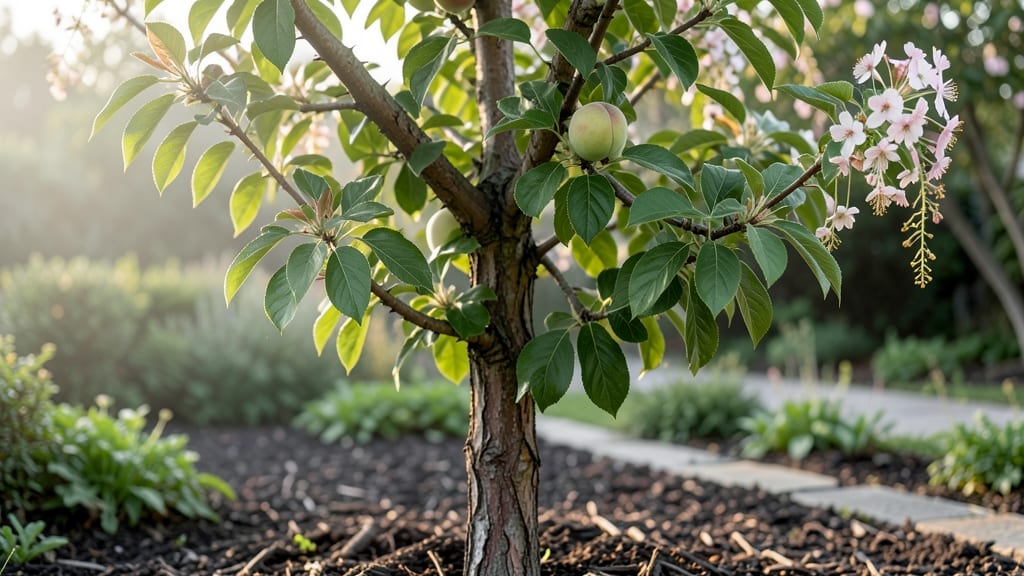
Hardy peach tree varieties like 'Reliance' and 'Contender' prove you don't need a warm climate for homegrown fruit. 🌱 I planted mine in zone 5 last spring, and they're thriving—something I never thought possible after years of failed peach attempts.
These varieties survive winters down to -20°F, making them perfect for northern gardeners who crave fresh peaches without the risk of losing the tree.
The secret lies in their genetics: these trees produce a natural antifreeze protein that protects blossoms and wood during cold snaps. You'll still need well-draining soil and full sun, but their resilience handles what would kill standard peach trees.
My 'Redhaven' neighbors froze back every winter until I switched—now I get 50-pound harvests even in short seasons.
Expect juicy, freestone fruit with classic peach flavor, though yields might be smaller than southern varieties. The trade-off? Reliable trees that reward patience with years of fruit instead of annual replanting. These aren't just surviving—they're outperforming expectations in colder zones.
For best results, plant in late spring after frost danger passes, and give them 3-4 years to establish full cold hardiness. The first harvest might be modest, but each year after that brings bigger rewards—and fewer gardening regrets. Worth every extra season of waiting.
📚 In This Guide
- What you need
- Instructions
- Tips and common mistakes
- Wrapping up and next steps
What you need
- ● Hardy peach tree varieties: Choose cold-resistant cultivars like ‘Reliance,’ ‘Contender,’ or ‘Redhaven.’ (1-2 trees, depending on space.)
- ● Well-draining soil: Test your soil’s pH (ideal: 6.0–6.5) and amend with compost or organic matter (1–2 cubic yards per tree).
- ● Fertilizer: Slow-release, balanced fertilizer (10-10-10) or organic options like cottonseed meal (apply in early spring).
- ● Mulch: Wood chips or straw (2–3 inches deep) to insulate roots in winter.
- ● Watering supplies: Drip irrigation or a soaker hose (for deep, consistent watering).
- ● Pruning tools: Bypass pruners (for small branches)
- ● Loppers (for thicker branches, up to 1.5 inches)
- ● Pruning saw (for stubborn limbs)
- ● Winter protection: Tree wrap or burlap (to shield bark from sun scald in cold snaps).
- ● Soil moisture meter (to monitor watering needs).
- ● Fruit tree spray (organic copper fungicide for disease prevention).
- ● Pollination aids (if growing a single tree, consider a second variety for cross-pollination).
- ● Staking kit (for young trees in windy areas).
Step-by-step guide to selecting and planting hardy peach tree varieties
Here's how to choose cold-hardy peaches that thrive in northern climates—and get them growing strong.
🌱 Step 1: Identify Your Hardiness Zone and Variety Needs
First, determine your USDA hardiness zone (most northern peaches thrive in zones 4-7). Varieties like 'Reliance' (zone 4) or 'Contender' (zone 5) handle frost better than traditional southern peaches. I always check the chill hour requirement—most hardy peaches need 300-500 hours below 45°F annually to set fruit properly.
Next, note your last frost date and first frost date. Hardy peaches need 120-140 frost-free days to mature fruit. If your season is shorter, opt for early-ripening varieties like 'Redhaven' (zone 5) or 'Loring' (zone 4). Write these details down—they’ll guide your final selection.
🌿 Step 2: Choose Disease-Resistant Rootstocks for Northern Climates
Never plant peaches on their own roots in cold zones—they’re vulnerable to crown rot and bacterial leaf spot. Instead, use dwarfing rootstocks like 'Lovell' (zone 4) or 'Halford' (zone 5), which improve cold tolerance and disease resistance. I always buy 1-year-old bare-root trees in early spring, inspecting for smooth bark and no cankers before planting.
For zone 6-7 gardens, semi-dwarf rootstocks like 'Nemaguard' add extra disease protection. Avoid peach trees labeled "standard size" unless you’re in zone 8+—they’re too large for northern yards and take longer to bear fruit. Ask your nursery about local graft compatibility—some rootstocks thrive in your area while others struggle.
☀️ Step 3: Plant in Full Sun with Winter Protection
Peaches need 6-8 hours of direct sun daily, but northern climates require extra winter care. Plant trees on a south-facing slope or against a sunny wall to maximize warmth. I dig a hole twice as wide as the root ball but only as deep—peaches hate being buried too deep, which causes girdling roots and poor growth.
Amend the soil with 2 inches of compost mixed into the bottom of the hole, but avoid fresh manure—it burns roots. After planting, water deeply (about 10 gallons) and apply 2-3 inches of mulch (straw or wood chips), keeping it 6 inches away from the trunk. In zones 4-5, wrap the trunk with burlap or tree guards in late fall to prevent sunscald and rodent damage.
⏰ Step 4: Prune for Cold Hardiness and Fruit Production
Prune hardy peaches in early spring (just as buds swell) to open the canopy for sunlight and air circulation. Remove dead, crossing, or weak branches first, then cut back last year’s growth by ¼ to encourage stronger wood. I always leave 3-4 main scaffold branches spaced evenly—this prevents overcrowding and improves fruit quality.
In zones 4-5, avoid heavy pruning in fall—it stimulates new growth that won’t harden off before winter. Instead, thin fruit in early summer (leave 6-8 inches between peaches) to prevent overburdening branches in cold snaps. After harvest, apply a dormant oil spray to kill overwintering pests before they wake up.
✂️ Step 5: Protect Trees from Late Frosts and Pests
Peach blossoms are highly sensitive to late frosts (below 28°F). In spring, have row covers or frost cloth ready to drape over trees when forecasts warn of 28-32°F nights. I also circle the base with a soaker hose—a slow trickle of water releases heat as it freezes, raising temperatures by 2-5°F around the tree.
Watch for peach tree borers (look for sawdust-like frass near the trunk) and aphids (sticky honeydew on leaves). Treat infestations with neem oil or horticultural oil in early spring before pests become established. In zone 4, I cover the trunk with tree wrap until early May to deter voles and rabbits that gnaw bark in winter.
Tips & tricks for hardy peach tree varieties
Here's what nobody tells you about growing peaches in cold climates—these tricks make all the difference.
Chill Hour Reality Check: That 300-500 hour requirement isn't just a number—it's the difference between fruit set and disappointment. I've seen gardeners in zone 5 plant southern varieties expecting miracles, only to get no fruit. Use a local weather station app to track your actual chill hours. If you're on the lower end (say, 400 hours), choose varieties like 'Loring' that thrive with less. The key is matching your specific microclimate, not just your zone number.
Rootstock Selection Secret: The dwarfing rootstocks like 'Lovell' aren't just about size—they're about survival. I learned this the hard way when a 'standard' peach tree died in my zone 5 garden. These rootstocks develop deeper roots faster, which means better drought tolerance and winter hardiness. When buying, ask for trees grafted onto 1-year-old bare-root stock—they establish quicker than older trees. Pro tip: Look for rootstocks labeled "cold-hardy" or "disease-resistant" specifically for your zone.
Winter Protection Hacks: That 6-8 hours of sun is non-negotiable, but winter protection requires creativity. I've used everything from black plastic barrels filled with water (placed near the tree) to old snow fencing wrapped around trunks. The water barrels create a microclimate that can raise temperatures by 5°F when frozen. For zones 4-5, I also bury cardboard boxes filled with straw around the base—it insulates roots better than plain mulch. Remember, the goal is to protect the cambium layer (that green layer under the bark) from freezing.
Pruning Precision: Cutting back last year's growth by ¼ isn't arbitrary—it's about balance. I aim for 3-4 main scaffold branches spaced evenly to prevent overcrowding. When thinning fruit in early summer, use sterilized pruners and make cuts just above a leaf bud. The 6-8 inch spacing between peaches might seem arbitrary, but it's crucial for fruit quality. Overcrowded fruit develops cork spot disease and poor flavor. In zones 4-5, I avoid heavy pruning in fall because new growth won't harden off before winter—this is where many gardeners make their biggest mistake.
Pro Tips for Hardy Peach Tree Varieties
- Here's what nobody tells you about growing peaches in cold climates—these tricks make all the difference.
- Chill Hour Reality Check: That 300-500 hour requirement isn't just a number—it's the difference between fruit set and disappointment.
- Rootstock Selection Secret: The dwarfing rootstocks like 'Lovell' aren't just about size—they're about survival.
Frequently asked questions
Got questions about growing hardy peach trees in colder climates? You’re not alone! Here are answers to some of the most common concerns—from planting to troubleshooting—so you can confidently add these cold-resistant gems to your garden.
How cold can hardy peach trees actually tolerate?
Most hardy peach varieties survive down to USDA Zones 5-7 (as low as -15°F to -10°F), but some (like ‘Reliance’ or ‘Contender’) can handle brief dips to -20°F with proper winter care. Young trees need extra mulch and wind protection—think of them as cozy blankets for your peach babies!
When is the best time to plant a hardy peach tree?
Plant in early spring (after last frost) or fall (6-8 weeks before first frost). Spring planting gives roots time to establish before summer heat, while fall planting lets them settle before winter. Avoid extreme heat or cold—your tree will thank you with fewer transplant shocks!
Do hardy peach trees produce fruit as reliably as southern varieties?
Yes! While they may have slightly smaller yields, hardy varieties like ‘Redhaven’ or ‘Elberta’ (cold-hardy selections) deliver consistent, flavorful fruit in cooler climates. Pollination is key—plant two compatible trees for better harvests. Patience pays off: full production often takes 3-5 years.
What’s the trick to winterizing hardy peach trees?
Start with a thick layer of mulch (4-6 inches) around the base, then wrap the trunk with burlap or tree guards to block wind. Prune in late winter to remove dead wood, and avoid heavy pruning—less stress means better survival. Dormant oil sprays can also protect against pests lurking under bark.
Can I grow hardy peaches in containers?
While possible, it’s challenging—peach trees need deep roots and space. If you must, choose dwarf varieties like ‘Bonanza’ and use a 50+ gallon pot with excellent drainage. Move containers to a sheltered spot in winter, and expect limited fruit production. For best results, stick to in-ground planting!
What pests should I watch for in hardy peach trees?
Keep an eye out for peach tree borers (tunnel into bark) and aphids (sap-sucking pests). Early intervention is key: spray with neem oil or introduce beneficial insects like ladybugs. Healthy trees with proper pruning and watering are less vulnerable—think of it as giving your tree a superhero cape!
Wrapping up and next steps
Choosing the right hardy peach tree variety can transform your northern garden into a fruitful paradise, even in chilly climates! 🌱 These cold-resistant gems not only survive harsh winters but also reward you with sweet, juicy peaches year after year.
Whether you're a seasoned gardener or just starting, the key is selecting a variety that thrives in your zone and giving it the care it deserves.
Now that you’re armed with knowledge, take the next step—visit a local nursery or trusted online supplier to pick your perfect peach tree! With the right variety in hand, you’ll be well on your way to harvesting homegrown peaches that taste like summer, no matter where you live.
Happy planting! 🍑