
Pruning
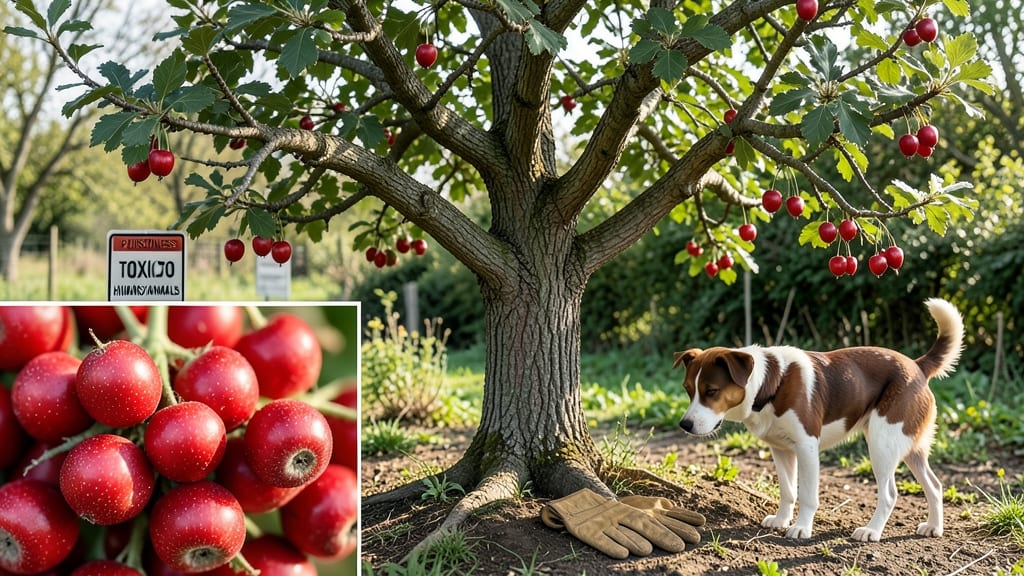
Hawthorn tree poison poses serious risks when leaves, berries, or seeds are ingested, triggering symptoms like nausea, vomiting, and diarrhea, with severe cases potentially causing life-threatening cardiac complications from compounds like amygdalin.
Hawthorn trees contain naturally occurring cyanogenic glycosides that convert to toxic cyanide in the body, particularly when consumed in large quantities. 🌿 While small accidental nibbles may cause mild stomach upset, severe poisoning can lead to dizziness, rapid heartbeat, or even respiratory failure.
I always recommend keeping these trees well away from children and pets, especially during berry season when the risk of ingestion is highest.
If you suspect poisoning, contact a poison control center immediately—symptoms can escalate quickly. The key is prevention: wear gloves when handling hawthorn branches, and never compost clippings containing leaves or berries, as they can remain toxic even after falling to the ground.
💡 In This Article
- Toxic Compounds in Hawthorn Trees and Their Effects
- Safety Measures for Handling Hawthorn Trees in Gardens
Toxic compounds in hawthorn trees and their effects
Hawthorn trees contain two primary classes of toxic compounds: cyanogenic glycosides (like amygdalin) and cardiac glycosides.
The cyanogenic glycosides are the most dangerous, converting to hydrogen cyanide when metabolized. 🌿 This process begins in the digestive tract, where enzymes break down amygdalin into glucose and cyanide—a compound that disrupts cellular oxygen utilization.
Even small doses (about 0.5-1 milligrams of cyanide per kilogram of body weight) can be lethal, as it binds to cytochrome c oxidase in mitochondria, halting energy production.
The cardiac glycosides, such as oleandrin, target the heart by inhibiting sodium-potassium ATPases in cardiac muscle cells. This causes dangerous arrhythmias and can lead to ventricular fibrillation—a life-threatening condition where the heart beats chaotically.
The severity depends on dosage: a handful of berries (10-20 berries) might cause mild symptoms, while consuming an entire cup of crushed leaves could be fatal. Children under 5 years old are especially vulnerable due to their smaller body weight and higher metabolic rates.
Symptoms typically appear within 30 minutes to 2 hours after ingestion, starting with gastrointestinal distress (nausea, vomiting, diarrhea) before progressing to neurological effects (dizziness, headache, confusion). In severe cases, cyanide poisoning causes a bitter almond smell on the breath—a classic but not universal indicator.
The cardiac glycosides delay symptom onset but increase the risk of sudden cardiac arrest, making early intervention critical. 💉
Hawthorn's toxicity varies by plant part: the berries contain the highest concentration of amygdalin (up to 0.5% by weight), while leaves and seeds have lower but still dangerous levels. The seeds, in particular, are often overlooked but contain concentrated cardiac glycosides.
Even dried leaves retain toxicity for months, making proper disposal essential. Unlike some plants where toxicity decreases with cooking, hawthorn's compounds remain potent when processed.
What makes hawthorn uniquely dangerous is how its toxins affect multiple organ systems simultaneously. The cyanide disrupts oxygen transport at a cellular level, while cardiac glycosides create a perfect storm for heart failure.
This dual mechanism explains why some cases progress rapidly—what starts as stomach upset can escalate to respiratory distress within hours. 🚨 The key difference from other cyanide-containing plants (like cherry pits) is hawthorn's additional cardiac effects, which require specialized medical treatment beyond cyanide antidotes.
Interestingly, hawthorn's berries have been used in traditional medicine for heart conditions—but only in carefully controlled, pharmaceutical preparations. The difference lies in dosage: therapeutic doses (500 mg of standardized extract) contain cardiac glycosides at safe concentrations, while raw berries deliver a lethal cocktail.
This highlights the critical importance of understanding plant chemistry when considering any herbal remedies.