
Pruning
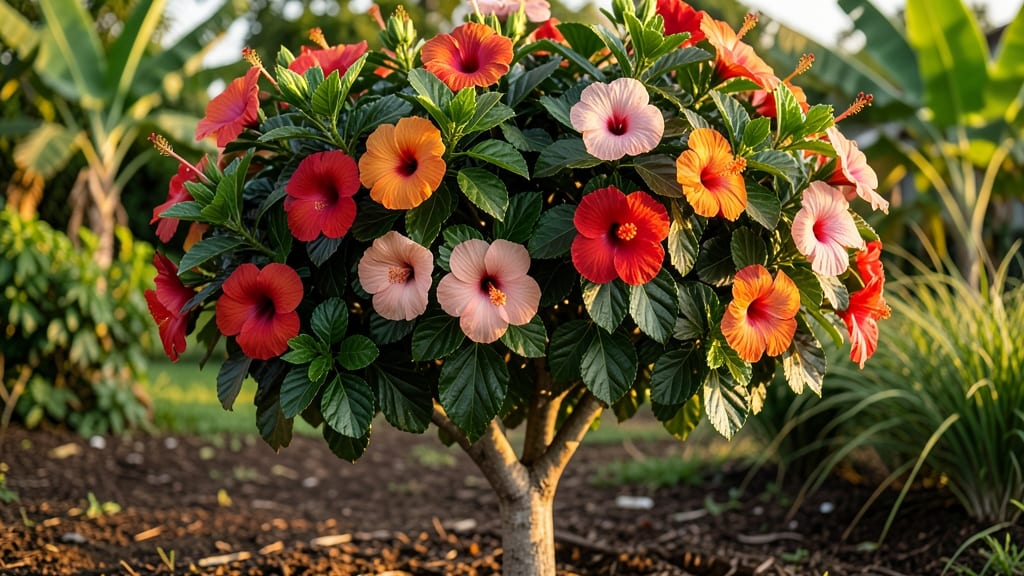
Hibiscus trees thrive in zones 7-11, but your climate determines whether you grow tropical or hardy varieties—and how you protect them through winter. 🌺 I’ve learned the hard way that skipping winter prep in zone 6 means lost blooms come spring, while zone 10 gardeners can leave theirs untouched year-round.
The key isn’t just the zone, but how you adapt trimming and shelter to your local frost patterns.
Tropical hibiscus (like the showy Hibiscus rosa-sinensis) need winter protection in zones 9 and below—whether that’s wrapping the trunk, moving potted plants indoors, or building a frost blanket.
Hardy hibiscus (such as Hibiscus syriacus) handle zones 5-9 but still benefit from late-winter pruning to encourage fresh growth before blooming season. The difference? One’s a tropical diva; the other’s a cold-hardy workhorse.
With the right approach, you’ll see vibrant blooms from spring to frost—even in cooler climates. Prune tropical hibiscus back by one-third in early spring, while hardy types respond best to late-winter cuts right after the last frost threat.
Container growers gain extra flexibility, letting them bring plants inside before temperatures dip below 30°F.
Don’t assume all hibiscus are tropical—many hardy varieties survive winters with minimal fuss. The trick is matching your variety to your zone and your microclimate. A sheltered spot in zone 6 can push tropical hibiscus just a little farther north than the official maps suggest.
Test your plant’s limits, but always have a backup plan for unexpected freezes.
📚 In This Guide
- What you need
- Instructions
- Tips and common mistakes
- Wrapping up and next steps
What you need
- ● Pruning shears: Sharp, bypass-style shears (for clean cuts) – 1 pair (or 2 if trimming large branches).
- ● Loppers: Heavy-duty (10–12" blades) for thicker branches – 1 pair.
- ● Pruning saw: Curved blade (for stubborn, thick limbs) – 1.
- ● Disinfectant: 70% rubbing alcohol or bleach solution (1:9 ratio) – small bottle (to sanitize tools between cuts).
- ● Garden gloves: Heavy-duty, cut-resistant (e.g., mechanix wear) – 1 pair.
- ○ Extension pole: 6–10 ft telescoping (for high branches) – optional but handy.
- ● Cold-hardy zones (7–9): Frost cloth (30–50 ft, for winter protection) – 1 roll.
- ● Mulch (pine straw or wood chips, 2–3 inches) – 5–10 sq ft.
- ● Tropical zones (10–12): Hibiscus fertilizer (high-phosphorus, e.g., 10-20-10) – 1–2 lbs.
- ● Drought-resistant mulch (e.g., gravel or coconut coir) – 3–4 inches.
- ● ✨ Check the weather: Trim on a dry, overcast day (or early morning) to avoid stressing the plant.
- ● 🔥 Gather a bucket: For clippings (compost or discard—no flowers if composting to prevent reseeding!).
- ● 🌡️ Zone 7–9? Prune after the last frost (late spring) to avoid cold damage.
Climate-specific trimming guide for hibiscus trees
Here’s how to tailor your hibiscus pruning to your hardiness zone for lush, blooming growth all year.
🌿 Step 1: Identify Your Hardiness Zone and Prune Timing
Hibiscus trees thrive in USDA Zones 5-11, but pruning timing shifts with your climate. In Zones 5-7, wait until after the last frost (typically late spring) before cutting back—new growth needs warmth to establish. In Zones 8-11, prune in late winter or early spring (February-March) to encourage early blooms.
Watch for new leaf buds—this is your signal. In cooler zones, buds may appear later, so hold off until you see 2-3 swollen nodes on branches. Skipping this step risks frost damage to tender new growth.
✂️ Step 2: Trim for Structure and Airflow
Use clean, sharp pruners to cut at a 45-degree angle just above a leaf node or outward-facing bud. Remove dead, crossing, or weak branches first—these compete with healthy growth. In Zones 5-7, trim back one-third of the plant to protect against winter cold; in Zones 8-11, a lighter cut (10-20%) suffices.
Shape the tree by thinning dense areas—aim for an open canopy so sunlight reaches the center. You’ll see stronger stems and more blooms if branches aren’t crowded. Avoid heavy pruning in late summer; it delays fall blooms.
☀️ Step 3: Adjust for Seasonal Growth Patterns
In Zones 5-7, apply a 2-inch layer of mulch around the base after pruning to insulate roots. In Zones 8-11, focus on fertilizing after pruning—hibiscus loves balanced 10-10-10 or citrus bloom booster. Water deeply once a week until new growth appears.
Watch for leaf color changes: yellowing in cooler zones signals nutrient stress; in warmer zones, it may mean overwatering. Hibiscus in Zones 9-11 can bloom year-round—prune lightly in fall to maintain shape without sacrificing flowers.
⏰ Step 4: Winter Care by Zone
In Zones 5-7, wrap the trunk with burlap or frost cloth once temps drop below 20°F. In Zones 8-11, no winter prep is needed—just reduce watering to prevent root rot. Prune again in late winter (February) to remove any frost-damaged branches.
Look for dormant buds in early spring—this confirms the tree survived winter. If you see blackened stems, prune those branches back to healthy wood. Hibiscus in Zone 9+ may bloom as early as February; in Zones 5-7, wait until May for full blooms.
Tips & tricks for perfect hibiscus trimming by zone
These simple strategies will help you avoid common mistakes and keep your hibiscus thriving year-round, no matter where you live.
Timing is Everything: In Zones 5-7, don't rush to prune—wait until you see those 2-3 swollen nodes on branches, which means your tree is ready to burst with new growth. I learned this the hard way after pruning too early and watching delicate buds freeze in a late spring frost. For Zones 8-11, that February-March window is critical for early blooms, so mark your calendar now. The difference between a plant that blooms all season and one that struggles often comes down to this timing.
Pruning Technique Matters: Always cut at that 45-degree angle just above a leaf node—this is where new growth will emerge. I use a small notched pruner to make clean cuts without crushing the stem. For Zones 5-7, that one-third reduction might feel drastic, but it's essential for winter survival. In warmer zones, resist the urge to go heavier than 20%—your hibiscus will thank you with bigger, showier blooms. And remember, those crossing branches? They're stealing energy from your showstopper flowers.
Zone-Specific Follow-Up: After pruning in Zones 5-7, that 2-inch layer of mulch isn't just decoration—it's insulation. I've seen roots freeze without proper protection, even in Zone 6. For warmer climates, the fertilizer is your secret weapon. I mix equal parts 10-10-10 and citrus bloom booster for that extra floral punch. And watch those leaves—they're telling you everything you need to know about what your hibiscus needs next.
Winter Prep That Pays Off: That 20°F threshold in Zones 5-7 is non-negotiable for trunk protection. I've wrapped hibiscus trunks with burlap during cold snaps and seen them bounce back when others in my neighborhood didn't. In warmer zones, don't overwater—root rot is just as deadly as frost damage. That February prune in Zone 8+ isn't just about cleanup; it's about encouraging that first flush of spring blooms before summer heat sets in.
Pro Tips for Hibiscus Tree Zone
- These simple strategies will help you avoid common mistakes and keep your hibiscus thriving year-round, no matter whe...
- Timing is Everything: In Zones 5-7, don't rush to prune—wait until you see those 2-3 swollen nodes on branches, which...
- Pruning Technique Matters: Always cut at that 45-degree angle just above a leaf node—this is where new growth will em...
Frequently asked questions
What are the best USDA hardiness zones for growing hibiscus trees?
A tropical hibiscus (Hibiscus rosa-sinensis) thrives in USDA zones 10–11, while hardy hibiscus (Hibiscus moscheutos) can handle zones 5–9. Always check your local frost dates—tropical varieties cannot tolerate freezing temps, while hardy types may need winter protection in colder zones.
When should I prune my hibiscus tree in my specific zone?
Pruning timing depends on your zone:
- Zones 10–11 (tropical hibiscus): Prune lightly after blooming (spring/summer) to encourage new growth. Avoid heavy cuts in fall.
- Zones 5–9 (hardy hibiscus): Prune in late winter or early spring (before new growth) to shape and remove dead wood.
Can I grow hibiscus in containers if I’m outside its ideal zone?
Yes! Tropical hibiscus can thrive in large containers (15+ gallons) and be moved indoors during winter (near a sunny window or under grow lights). Use well-draining soil and fertilize monthly in growing season. Hardy hibiscus may also work in containers but need winter protection (mulch, frost cloth).
How do I protect my hibiscus from frost or cold snaps?
For tropical hibiscus in marginal zones:
- Cover with frost cloth or a blanket when temps drop below 40°F.
- Move potted plants to a garage or shed.
- Mulch the base heavily with straw or leaves.
Why isn’t my hibiscus blooming, even after pruning?
Lack of blooms often stems from:
- Over-fertilizing with nitrogen (promotes leaves, not flowers). Use a low-nitrogen, high-phosphorus fertilizer instead.
- Insufficient sunlight (6+ hours of direct sun daily is ideal).
- Pruning at the wrong time (e.g., cutting back hard in fall).
- Stress from transplant shock or pests (check for aphids or mites).
Wrapping up and next steps
Choosing the right hibiscus tree zone and mastering pruning techniques is your ticket to a stunning, year-round display of blooms! 🌺 Whether you're in a tropical paradise or a cooler climate, understanding seasonal adjustments and proper tools will keep your hibiscus thriving.
Now that you're armed with knowledge, it’s time to roll up your sleeves and give your hibiscus the care it deserves.
Ready to transform your garden? Start by scheduling your first pruning session—spring is the perfect time to kick things off! Grab your tools, follow the steps you’ve learned, and watch your hibiscus flourish like never before.