
Pruning
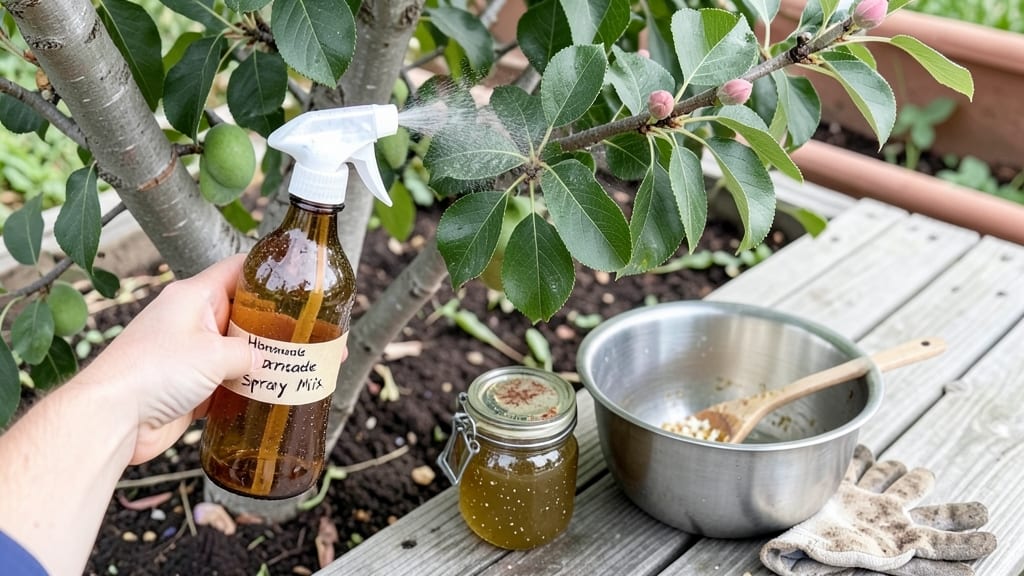
When peach leaf curl turns your tree's buds into crinkled messes, this homemade peach tree spray saves the season. 🌱 I've battled this fungal nightmare for years, and the right mix of copper and baking soda works better than store-bought sprays—without the chemical residue.
The key is timing: apply it before buds swell in late winter or early spring, when the fungus is most vulnerable. This recipe combines copper fungicide (for leaf curl), baking soda (to prevent bacterial spot), and neem oil (to deter aphids and mites).
You'll need a 5-gallon sprayer, safety gloves, and about 30 minutes to mix and apply. The solution is non-toxic once dry, safe for bees and beneficial insects, and costs a fraction of commercial products.
What you'll end up with is a thriving peach tree with glossy green leaves and no fungal scarring. The spray also acts as a preventive against brown rot, another common peach tree enemy. Just remember: reapply after heavy rains to maintain protection through the growing season.
Works for all peach varieties, from dwarf to standard trees, and adapts easily to other stone fruits like plums and cherries. Here's how to make it—before next year's buds even think about curling.
📚 In This Guide
- What you need
- Instructions
- Tips and common mistakes
- Wrapping up and next steps
What you need
- ● 1 gallon of water (distilled or dechlorinated—let tap water sit out for 24 hours if chlorinated)
- ● 1 tbsp baking soda (food-grade, unscented)
- ● 1 tbsp vegetable oil (light, like canola or olive oil—helps ingredients stick to leaves)
- ● 1 tsp dish soap (mild, like Castile soap—avoid harsh detergents!)
- ○ 1 tbsp neem oil (optional but highly recommended for fungal/pest control)
- ● Spray bottle or garden sprayer (1–2 gallons capacity, with a fine-mist nozzle)
- ● Measuring spoons (for precise ingredient ratios)
- ● Mixing container (clean bucket or large bowl—never reuse for chemicals!)
- ● Stirring stick or spoon (wooden or plastic to avoid contamination)
- ● Protective gear (gloves, long sleeves, and goggles—safety first!)
- ● 1 tsp potassium bicarbonate (boosts antifungal properties)
- ● 1 tbsp apple cider vinegar (natural acidity helps deter pests)
- ● Crushed garlic or chili powder (1 tsp each—repels insects with a spicy kick!)
Step-by-Step instructions for mixing homemade peach tree spray
Here's my foolproof method for creating an effective, organic defense against peach tree blight—no store-bought chemicals required.
🌿 Step 1: Gather and Prepare Your Organic Ingredients
Start with 1 quart of water and combine it with 1 tablespoon of baking soda in a clean spray bottle or mixing container. The baking soda creates an alkaline environment that disrupts fungal spores before they take hold. Stir gently until fully dissolved—no clumps allowed, or you'll end up with uneven coverage.
Next, add 1 teaspoon of vegetable oil (like canola or olive oil) to the mixture. The oil helps the solution cling to leaf surfaces and penetrates the waxy cuticle of fungal spores. I like to use a spoon to gently swirl the ingredients together, creating a light emulsion. This step is critical—if the oil separates, shake the bottle vigorously before each use.
💧 Step 2: Add Fungal-Fighting Agents for Maximum Protection
Pour in 1 teaspoon of hydrogen peroxide (3%) to boost the spray's antimicrobial properties. The hydrogen peroxide releases oxygen when applied, which suffocates fungal spores on contact. Be sure to use a fresh bottle—hydrogen peroxide loses potency over time, and old solutions won't work effectively.
Finally, add 1 teaspoon of neem oil to the mix. Neem oil contains natural fungicidal compounds that prevent spore germination and disrupt the fungal life cycle. Stir everything together thoroughly, then let the mixture sit for 5-10 minutes to allow the ingredients to fully integrate. This waiting period ensures the solution is balanced and ready for application.
✂️ Step 3: Apply the Spray at the Right Time for Best Results
Fill your spray bottle with the mixture and apply it early in the morning when temperatures are cool and humidity is low. This timing minimizes leaf scorch and allows the solution to dry evenly. Focus on the undersides of leaves, where fungal spores often hide, and spray until the foliage is glistening but not dripping. Over-saturating can lead to fungal growth in the moisture.
Reapply every 7-10 days or after heavy rain, as the spray washes off with water. Consistency is key—blight spores spread quickly, so don't skip applications. If you notice brown spots or blackened tissue on leaves, increase frequency to every 5-7 days until the tree shows improvement.
☀️ Step 4: Monitor and Adjust for Optimal Tree Health
After application, keep an eye on your peach tree for signs of stress. If leaves yellow or curl within 24-48 hours, the spray may be too concentrated. Dilute future batches with an extra ½ cup of water per quart to reduce potency. Healthy trees will show vibrant green leaves and no new blight spots within 1-2 weeks of regular treatment.
For severe infestations, combine this spray with copper fungicide (like copper sulfate) for a stronger defense. Mix 1 teaspoon of copper fungicide into the solution and apply in the evening to avoid leaf burn. Always wear gloves and a mask when handling copper products—it's a heavy metal, and safety first.
Tips & tricks for perfect homemade tree spray
The secret to an effective organic blight defense lies in the details—here's how to maximize every ingredient's potential while avoiding common pitfalls.
Mixing Technique: When combining the 1 teaspoon of vegetable oil in Step 1, use a whisk or fork instead of stirring directly with your hands. This creates a finer emulsion that clings better to leaves. I've found that adding the oil last—after the baking soda but before hydrogen peroxide—helps it disperse more evenly throughout the solution.
Hydrogen Peroxide Freshness: The 1 teaspoon of hydrogen peroxide (3%) must be fresh—older bottles lose their effectiveness. Test by adding a few drops to a cut apple; if it doesn't bubble vigorously, replace it. For maximum potency, use hydrogen peroxide within 3 months of opening and store it in a dark bottle to preserve its strength.
Application Strategy: In Step 3, focus on the undersides of leaves where spores thrive, but don't neglect the stems and branches. I've seen blight spread rapidly when these areas are missed. Use a handheld sprayer with a fine mist setting to ensure even coverage without oversaturating. Early morning application is critical—waiting until later in the day can lead to leaf burn from increased sunlight exposure.
Storage Wisdom: Store any unused spray in a glass bottle (plastic can degrade from hydrogen peroxide) in a cool, dark place. The solution remains effective for up to 5-7 days when refrigerated. For longer storage, make smaller batches—larger quantities risk ingredient separation or hydrogen peroxide degradation over time.
Pro Tips for Homemade Peach Tree Spray
- The secret to an effective organic blight defense lies in the details—here's how to maximize every ingredient's potential while avoiding common pitfalls.
- Mixing Technique: When combining the 1 teaspoon of vegetable oil in Step 1, use a whisk or fork instead of stirring directly with your hands.
- Hydrogen Peroxide Freshness: The 1 teaspoon of hydrogen peroxide (3%) must be fresh—older bottles lose their effectiveness.
Frequently asked questions
Got questions about keeping your peach tree healthy with homemade sprays?
Here are answers to the most common ones—so you can spray with confidence!
Can I use this spray on other fruit trees, like apples or cherries?
Yes! This homemade peach tree spray works well for other stone and pome fruit trees (apples, pears, cherries) too. Just adjust the copper dosage slightly—follow the ratio for your specific tree’s needs. Avoid citrus trees, as they’re sensitive to copper.
How often should I spray my peach tree with this mixture?
For prevention, spray every 7–14 days during peak season (spring to early summer). If you see early signs of blight or pests, apply it immediately and repeat in 5–7 days. Always spray in the early morning or late evening to avoid burning leaves in direct sunlight.
What should I do if the spray causes brown spots on leaves?
Brown spots usually mean the spray was too concentrated or applied on a hot day. Dilute your mixture next time (use 1 tsp baking soda + 1 tbsp neem oil per gallon) and avoid spraying when temps exceed 85°F (29°C). If damage is minor, flush the tree with water to help recovery.
Are there any natural alternatives if I don’t have baking soda or neem oil?
Try these DIY swaps:
- Potassium bicarbonate (1 tbsp per gallon) – great for fungal issues.
- Garlic or onion spray (blend 1 cup garlic/onion + 1 tsp soap in water) – deters pests naturally.
- Milk spray (1 part milk to 9 parts water) – helps prevent powdery mildew.
Will this spray harm bees or beneficial insects?
This recipe is bee-friendly when used correctly! Avoid spraying directly on blooming flowers (especially during peak bee activity, 10 AM–4 PM). For extra safety, apply in the evening or choose windless days. Beneficial insects like ladybugs thrive with this spray—just keep it away from their habitats.
Wrapping up and next steps
Crafting your own homemade peach tree spray is a simple, cost-effective way to protect your trees from blight and pests while keeping your garden thriving naturally. 🌿 With just a few common ingredients, you’ve got a powerful, organic defense ready in minutes—no harsh chemicals needed!
Whether you’re a seasoned gardener or just starting out, this DIY solution empowers you to take control of your orchard’s health with confidence.
Ready to put your newfound knowledge to work? Grab your spray bottle and head outside—your peach trees will thank you! 🍑 Start by testing a small area first, then watch your trees flourish with natural care!