
Orchid Care
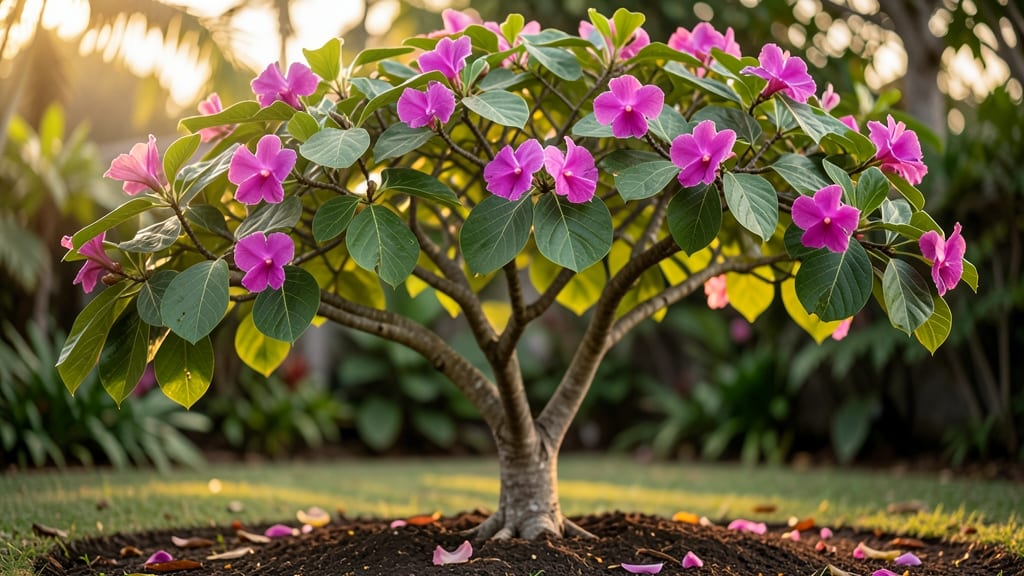
That first pink bloom of the Hong Kong Orchid Tree Phoenix (Bauhinia blakeana) after winter feels like a miracle—until you learn how to coax it back every year. 🌸 In Hong Kong’s unpredictable climate, where cold snaps can strip branches bare, strategic pruning isn’t just maintenance—it’s the secret to reviving your tree’s showstopping display.
I’ve watched mine go from skeletal winter sticks to a canopy of fragrant blossoms in just six weeks, and the key starts with understanding when to cut.
The trick is timing: prune right after the last frost (usually February) but before new growth appears. You’ll shape the tree into a fuller form while encouraging strong, cold-resistant branches. Most gardeners over-prune—don’t fall into that trap.
Remove only 10-20% of the previous year’s growth, focusing on crossing branches and leggy stems. The goal is to redirect energy into vibrant new shoots that’ll bloom by spring.
What you’ll end up with is a tree that thrives in Hong Kong’s heat and humidity without the usual pest problems. The flowers return earlier and more abundantly than before, and the foliage stays lush even through summer’s dry spells.
The best part? Your neighbors will stop asking why your tree looks so much healthier than theirs—because you’ve cracked the code on revival pruning.
This method works for urban gardens, street-side planters, or even large backyard specimens. The only real challenge is patience—waiting for the right moment to prune—but trust me, the payoff of those pink cascades in March makes it worth every snip. Let’s get your tree ready for its comeback.
📚 In This Guide
- What you need
- Instructions
- Tips and common mistakes
- Wrapping up and next steps
What you need
- ● Pruning shears – Sharp, bypass-style (for clean cuts), sterilized with rubbing alcohol.
- ● Loppers – For thicker branches (½-inch diameter or larger).
- ● Hand pruners – For smaller stems and precision trimming.
- ● Disposable gloves – Nitrile or latex-free (to avoid skin irritation from sap).
- ● Rag or paper towels – For wiping tools between cuts (sanitation!).
- ○ Sealer (optional but recommended) – Pruning sealant (like Tanglefoot Tree Wound Pruning Seal) to prevent disease in larger cuts.
- ● Bucket or bag – For collecting pruned branches (compost or discard).
- ● Ladder (if needed) – Sturdy, extendable (for high branches; 3+ feet tall for safety).
- ● Notebook & pen – To sketch pruning plans or track growth patterns.
- ● Horticultural oil spray – For sterilizing tools before and after pruning.
- ● Disinfectant (bleach solution) – 1 part bleach : 9 parts water for deep cleaning tools.
- ● Plant food (balanced fertilizer) – 10-10-10 NPK ratio to boost recovery post-pruning.
- ● Mulch – Organic (wood chips) or inorganic (gravel) to retain moisture and regulate soil temp.
- ● Camera or phone – To document before/after shots for tracking progress!
Instructions for reviving your Hong Kong orchid tree phoenix through pruning
Here’s how to coax vibrant blooms back with precision cuts that protect your tree from cold while encouraging new growth.
✂️ Step 1: Time Your Pruning for Cold Resistance
Prune your Hong Kong orchid tree (Bauhinia blakeana) right after flowering in late winter or early spring—before new buds form. This timing lets the tree recover before summer heat arrives. Avoid pruning in fall or winter; cold snaps make fresh cuts vulnerable to rot.
Look for woody, leafless branches—these are safe to trim. If you see swollen buds, wait until they bloom first. I like to prune on a mild, dry day (60-70°F) to reduce stress. Use clean, sharp pruners to prevent jagged cuts that invite disease.
🌿 Step 2: Cut Back Strategically for Dense Growth
Remove dead, crossing, or inward-growing branches first—these compete for energy. For shaping, cut back one-third of the oldest branches to encourage new, cold-hardier growth. Never remove more than 30% of the tree’s foliage at once; this shocks the tree and weakens its cold resilience.
Make cuts just above a leaf node (the bump where leaves attach) at a 45-degree angle. This directs water runoff away from the cut and promotes faster healing. If a branch is thicker than your thumb, use three small cuts to avoid tearing the bark.
☀️ Step 3: Protect Cuts and Stimulate Blooms
After pruning, apply pruning sealant to cuts larger than ½ inch to prevent moisture loss and infection. For smaller cuts, let them air-dry naturally—they’ll callus over in 2-3 weeks. This step is critical in Hong Kong’s humid climate, where fungal spores lurk.
Fertilize 4-6 weeks post-pruning with a balanced, slow-release fertilizer (10-10-10 ratio). Focus on the root zone, not fresh cuts. Water deeply once a week until new growth appears—until the top 2 inches of soil feel moist. Avoid overhead watering to keep cuts dry.
⏰ Step 4: Monitor for Cold Recovery and Bloom Signals
Watch for new leaf buds within 4-6 weeks—this confirms the tree is recovering. If buds appear but don’t open, your tree may need more sunlight (6+ hours daily). Move it to a sheltered, sunny spot if indoors or adjust outdoor positioning.
By late spring, you should see pinkish-purple flower buds forming. If blooms are sparse, prune one more time in early summer to redirect energy. Cold-resistant varieties like Bauhinia blakeana thrive with this two-step pruning approach—less is more to avoid stress.
Tips & tricks for reviving your Hong Kong orchid tree phoenix
Don't let overwintering stress ruin your tree's potential—these simple tricks will help you maximize blooms while keeping your orchid tree resilient against Hong Kong's unpredictable climate.
Timing is Everything: The late winter/early spring window is non-negotiable for cold resistance. I've seen trees bloom beautifully after pruning in March, but if you wait until April, you risk summer heat stress before the tree can recover. Look for those woody, leafless branches—they're your signal that it's safe to cut. If you accidentally prune too early and see swollen buds, don't panic—just wait until they bloom first, then proceed with your cuts.
The 45-Degree Angle Secret: Making cuts at a 45-degree angle above the leaf node isn't just about aesthetics—it's about survival. This angle prevents water from pooling on the cut, which could lead to rot in Hong Kong's humid climate. For branches thicker than your thumb, use the three-cut method to avoid tearing the bark, which exposes the tree to infections. Think of it like giving your tree a proper roof over its wounds.
Post-Pruning Care Makes All the Difference: That 4-6 week fertilizer window is your chance to set up your tree for success. I've found that using a 10-10-10 balanced fertilizer gives consistent results, but if you want to boost blooms, you can opt for a 10-30-20 formula after the initial 4 weeks. Remember to focus on the root zone—never apply fertilizer directly to fresh cuts. And here's a pro tip: water deeply but infrequently. The top 2 inches of soil should feel moist, but soggy roots are just as bad as thirsty ones for recovery.
Sunlight Strategy for Indoor Trees: If your Hong Kong orchid tree is indoors, position it near a south-facing window where it can get at least 6 hours of sunlight daily. I've seen trees in Hong Kong apartments thrive with supplemental grow lights during winter months when natural light is scarce. The key is to mimic outdoor conditions as closely as possible—your tree's natural habitat gets plenty of sunshine, and it's craving that same energy to produce those stunning pinkish-purple blooms.
Pro Tips for Hong Kong Orchid Tree Phoenix
- Don't let overwintering stress ruin your tree's potential—these simple tricks will help you maximize blooms while keeping your orchid tree resilient against Hong Kong's unpredictable climate.
- Timing is Everything: The late winter/early spring window is non-negotiable for cold resistance.
- The 45-Degree Angle Secret: Making cuts at a 45-degree angle above the leaf node isn't just about aesthetics—it's about survival.
Frequently asked questions
Got questions about reviving your Hong Kong Orchid Tree Phoenix (Bauhinia blakeana) with cold-resistant blooms? Here are some common ones—and their answers!
How cold can my Hong Kong Orchid Tree handle?
The Bauhinia blakeana thrives in USDA Zones 10-11 but can tolerate brief dips to 28°F (-2°C) with proper care. If temperatures drop below 25°F (-4°C), wrap the trunk in burlap or use a frost cloth to protect it. Mulch the base with straw or pine needles to insulate roots.
Why isn’t my tree blooming after pruning?
Blooms appear on new wood, so prune right after flowering (late winter/early spring) to encourage fresh growth. Over-pruning or cutting into old wood can delay blooms. Ensure it gets 6+ hours of sunlight daily and fertilize lightly with low-phosphorus bloom booster in spring.
When’s the best time to prune for cold resilience?
Prune twice a year:
- Late winter (Feb–March): Remove dead/diseased branches and shape for airflow.
- Post-bloom (May–June): Trim back 20–30% of growth to harden wood for winter. Avoid heavy pruning in fall—it stresses the tree before cold snaps.
Can I grow this tree in containers for cold climates?
Yes! Use a large, well-draining pot (18"+ diameter) and overwinter indoors near a sunny window or in a garage (keep temps above 40°F/4°C). Move it back outside after last frost and harden it off gradually. Dwarf varieties like ‘Hong Kong Red’ adapt better to containers.
What pests should I watch for, and how do I treat them?
Common pests include:
- Aphids: Spray with neem oil or blast off with water.
- Scale insects: Scrub with rubbing alcohol on a cotton swab.
- Spider mites: Increase humidity and use insecticidal soap.
Wrapping up and next steps
The Hong Kong Orchid Tree Phoenix is a resilient beauty that thrives with the right care—especially when it comes to cold resistance and strategic pruning. By mastering these techniques, you’ll not only revive its stunning blooms but also nurture a hardier, more vibrant tree year after year. 🌿✨
Ready to transform your orchid tree into a cold-hardy showstopper? Start by observing its growth patterns and applying the pruning tips shared here. With patience and practice, your tree will reward you with even more breathtaking flowers—proving that a little effort goes a long way! 🌸💚