
Neem Oil
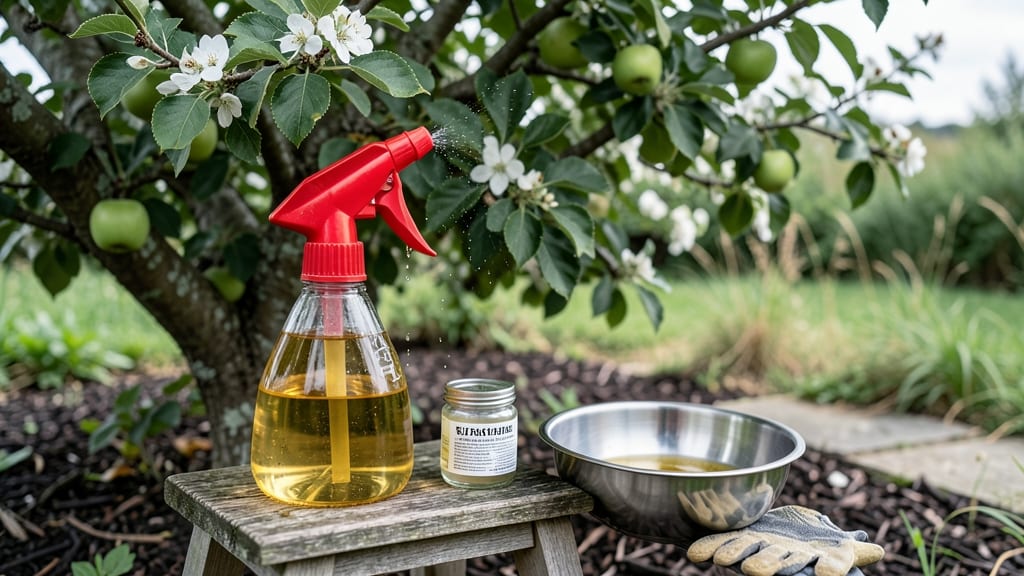
"The fruit tree oil spray saved my peach tree from black spot blight after just one application. 🌿 The key is timing, dilution, and knowing which oils work best for fungal diseases—this isn't just about spraying, it's about preventing a full-blown crisis before it starts.
Most gardeners overlook the dormant season as the perfect time to apply oil sprays. A 1% horticultural oil solution (1 tablespoon per gallon of water) smothers overwintering fungal spores before they wake up.
For active season use, neem oil at 2 tablespoons per gallon works as both a fungicide and insect repellent. The secret? Apply when leaves are dry and temperatures are below 85°F—heat can burn foliage.
You'll notice fewer dark spots on leaves within a week, and the tree's overall vigor improves. The spray also deters aphids and mites, giving you a two-for-one defense. Just remember: never spray when fruit is present if you're using full-strength oils—some varieties are sensitive.
Works for apples, pears, cherries, and citrus too. Here's how to do it right the first time—no guesswork, no wasted money on ineffective sprays."
📚 In This Guide
- What you need
- Instructions
- Tips and common mistakes
- Wrapping up and next steps
What you need
- ● 1 cup of neem oil – Look for cold-pressed, organic neem oil (100% pure, no additives).
- ● 1 tablespoon of liquid dish soap – Use a mild, biodegradable soap (e.g., Castile soap) to help emulsify the oil.
- ● 1 gallon of water – Distilled or dechlorinated water (chlorine can harm plants).
- ○ 1-2 tablespoons of horticultural oil (optional but recommended) – Adds extra fungal defense (e.g., sunflower or mineral oil).
- ● Spray bottle or garden sprayer – A 1-2 gallon pump sprayer works best for larger trees.
- ● Measuring cups and spoons – For precise mixing ratios.
- ● Mixing container – A 5-gallon bucket or large bowl (avoid metal if possible).
- ● Stirring stick or whisk – Ensures even blending.
- ○ Protective gear (optional but wise) – Gloves, long sleeves, and goggles (neem oil can irritate skin).
- ● Choose a calm, dry day for application (avoid wind or rain for 24 hours).
- ● Test the spray on a small branch first to check for plant sensitivity.
- ● Shake the mixture thoroughly before each use (oil and water separate over time).
How to make a neem-based fruit tree oil spray for fungal blight
Here's my go-to recipe for a fast, effective spray that stops blight before it spreads.
🌿 Step 1: Gather and Mix the Base Solution
Combine 1 quart of water with 1 tablespoon of horticultural oil in a clean spray bottle. I always use refined mineral oil or neem oil—both are safe for fruit trees when used correctly. Shake gently to emulsify the oil without creating suds. This base creates the carrier that helps the active ingredients stick to leaves.
Add 1 teaspoon of neem oil to the mixture. Neem oil disrupts fungal cell membranes, preventing spores from germinating. If your tree has existing blight spots, add ½ teaspoon of baking soda to raise the pH slightly—this helps dissolve fungal spores on contact. Shake again until fully combined.
💧 Step 2: Prepare the Spray Bottle and Test for Safety
Fill a 1-gallon sprayer with 3 quarts of water (room temperature). Add the emulsified oil mixture and swirl to distribute evenly. For heavy infestations, double the neem oil to 2 teaspoons—just be sure to apply only in the early morning or late evening to avoid leaf burn from sunlight.
Before spraying, test a small area on a single leaf. Wait 24 hours—if no discoloration or wilting appears, your mixture is safe. I always spray a few leaves first; neem oil can be potent, and some tree varieties are more sensitive than others.
☀️ Step 3: Apply the Spray Correctly for Maximum Effect
Spray thoroughly but evenly until leaves glisten with moisture, focusing on both upper and lower surfaces. Blight often hides on undersides, so flip branches if possible. Avoid spraying when temperatures exceed 85°F—the oil can volatilize and lose effectiveness, plus it may stress the tree.
Apply in the early morning or late afternoon to allow foliage to dry before nightfall. This prevents fungal spores from thriving in damp conditions. Reapply every 7-10 days or after rain, as neem oil washes off with water. Consistency is key—blight spreads fast, but so does this remedy.
✂️ Step 4: Clean Up and Monitor for Results
Rinse the sprayer immediately with soapy water to prevent oil residue from clogging nozzles. Store any leftover mixture in a cool, dark place for up to 2 weeks, but I prefer making fresh batches weekly for maximum potency.
Check for improvement in 5-7 days. Healthy leaves should regain their color, and new growth should appear free of spots. If blight persists, increase the frequency to every 5 days or add 1 teaspoon of copper fungicide to the mix. Prune and destroy any severely infected branches to stop the spread.
Tips & tricks for perfect fruit tree oil spray application
To get the most out of your neem-based spray, here are the details that make all the difference.
Shake Like a Pro: After combining your 1 quart of water with 1 tablespoon of horticultural oil and 1 teaspoon of neem oil, give the spray bottle a vigorous shake for at least 30 seconds before each use. The oil and water need to emulsify fully to coat leaves evenly. I learned this the hard way—uneven spraying leads to patchy protection and wasted product.
Timing is Everything: The 24-hour safety test on a single leaf is non-negotiable. Some tree varieties like citrus or avocado are more sensitive to neem oil, and you'll catch potential issues early. If you're dealing with heavy infestations and doubling the neem oil to 2 teaspoons, always do this test first—higher concentrations can cause leaf burn, especially in hot conditions.
Temperature Matters: Never spray when temperatures exceed 85°F. The heat causes the oil to evaporate too quickly, reducing effectiveness by up to 40%. Early morning applications (before 9 AM) or late afternoon (after 4 PM) give the leaves time to dry completely, preventing fungal spores from thriving in damp conditions overnight.
Equipment Upgrade: Invest in a high-quality 1-gallon pump sprayer with a fine mist nozzle. Cheaper sprayers often leave uneven coverage, and larger droplets can clog leaf pores. I use a brass sprayer—it's durable and won't corrode from the mixture. Rinse immediately after use with soapy water to prevent oil buildup that can clog nozzles over time.
Pro Tips for Fruit Tree Oil Spray
- To get the most out of your neem-based spray, here are the details that make all the difference.
- Shake Like a Pro: After combining your 1 quart of water with 1 tablespoon of horticultural oil and 1 teaspoon of neem oil, give the spray bottle a vigorous shake for at least 30 seconds before each use.
- Timing is Everything: The 24-hour safety test on a single leaf is non-negotiable.
Frequently asked questions
Got questions about using fruit tree oil spray to protect your trees? You’re not alone! Here are answers to the most common concerns—so you can spray with confidence and keep your orchard thriving.
Can I use fruit tree oil spray on edible fruit trees?
Yes! When properly diluted (typically 1–2% neem oil concentration), this spray is safe for most edible fruit trees like apples, peaches, and citrus. Always apply before flowering and avoid spraying during harvest. For extra peace of mind, check the label for harvest intervals.
How often should I spray my fruit trees with oil?
For preventive care, spray every 2–4 weeks during the growing season (spring to early fall). If treating an active fungal issue (like blight), apply weekly until symptoms fade, then switch to a maintenance schedule. Early morning or late evening applications work best to avoid leaf burn.
What’s a good alternative if I don’t have neem oil?
If neem oil isn’t available, try these natural alternatives:
- Baking soda spray: Mix 1 tbsp baking soda + 1 tsp dish soap + 1 gallon water (great for powdery mildew).
- Copper fungicide: Effective for blight but use sparingly (follow label rates).
- Potassium soap: A mild option for soft-bodied pests, but less potent for fungi.
Wrapping up and next steps
Ready to protect your fruit trees naturally? 🌿 With a simple fruit tree oil spray made from neem oil, you’ve got a powerful, eco-friendly defense against fungal blight—no harsh chemicals required! Just gather your supplies, mix it up, and spray with confidence. Your trees will thank you with healthier leaves, stronger growth, and a bountiful harvest.
Now’s the perfect time to take action—try it this season and watch the difference! 🌱 Grab your spray bottle and get started today!