
Pruning
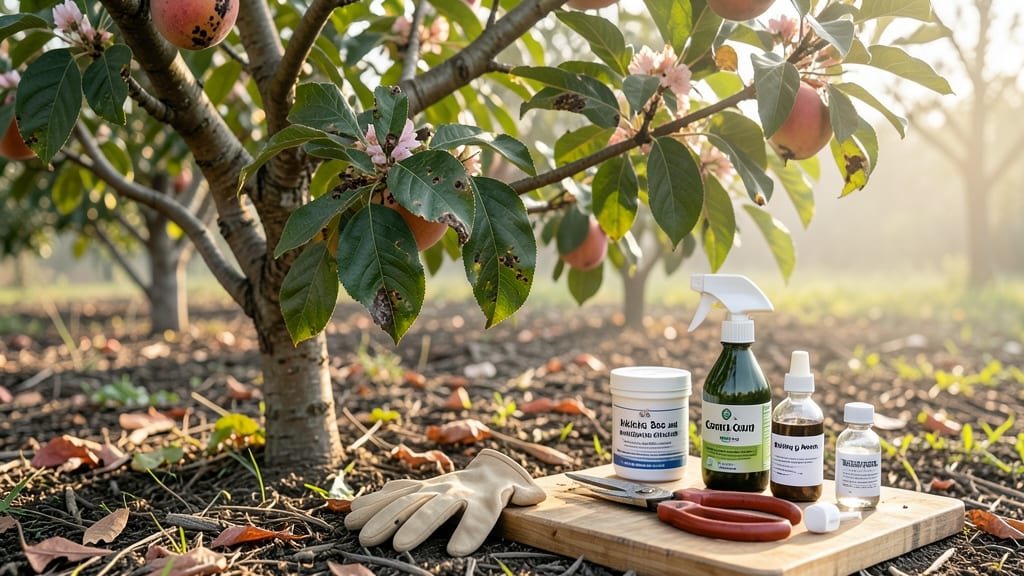
Copper spray saved my peach tree from looking like Swiss cheese last summer. 🌱 Bacterial spot turns leaves into a skeleton act, but with the right copper-based treatment, you can stop the spread and restore your tree's health—before it's too late.
The key is acting fast: once those dark spots with yellow halos appear, it's already too late for those leaves. Copper fungicide disrupts the bacteria's cell function without harming your tree, and it works best when applied preventively in spring and after rain.
I've tried everything from baking soda sprays to neem oil, but copper is the only thing that consistently stops the disease in its tracks.
You'll see new growth emerge within weeks, with leaves staying vibrant and free of those telltale spots. The tree recovers its strength, and next season's fruit won't be marred by unsightly blemishes.
It's not just about saving the tree—it's about reclaiming those perfect, juicy peaches you planted it for in the first place.
Works for both organic and conventional growers, though organic versions take slightly longer to show results. The secret is consistency: apply every 10-14 days during peak bacterial activity, and your tree will thank you for years to come.
📚 In This Guide
- What you need
- Instructions
- Tips and common mistakes
- Wrapping up and next steps
What you need
- ● Copper-based fungicide (e.g., Copper Sulfate, Copper Hydroxide, or a ready-to-use copper spray) – 1–2 lbs (per 100 gallons of water) (follow label instructions for exact dosage).
- ● Garden sprayer (hose-end or backpack sprayer with a fine mist nozzle for even coverage).
- ● Protective gear: Nitrile gloves (to avoid skin irritation from copper).
- ● Long sleeves & pants (for safety).
- ● Safety goggles (to shield eyes from spray).
- ● Water source (hose or large container for mixing).
- ● Pruners or shears (sterilized with rubbing alcohol for removing infected leaves/branches).
- ● Bucket or large container (for mixing fungicide if not using a ready-to-use spray).
- ● Ladder or step stool (if your tree is tall).
- ● Baking soda solution (1 tbsp baking soda + 1 tsp dish soap + 1 gallon water) – for mild cases or as a preventive spray.
- ● Sticky traps (to monitor for pests that may worsen bacterial spread).
- ● Organic mulch (e.g., straw or wood chips) – 3–4 inches deep around the base to improve soil health.
- ● pH test kit – Ensures soil pH is 5.0–6.5 (copper works best in slightly acidic soil).
Step-by-Step instructions for treating peach tree bacterial spot
Here's how to apply a copper-based spray that stops bacterial spot in its tracks.
🌿 Step 1: Remove Severely Infected Leaves and Fruit
Start by inspecting your peach tree for leaves with dark brown or black spots with yellow halos—those are classic bacterial spot symptoms. Use clean pruning shears to snip off any leaves showing these spots, along with any fruit that's already infected. Drop the infected material into a sealed plastic bag immediately; don't compost it, as the bacteria can survive and reinfect.
Focus on the lower branches first, where moisture lingers longer. You'll know you're doing this right when you've cleared out at least 70% of visibly infected foliage. This step is critical because removing the infected plant material reduces the bacterial load before you apply the copper spray.
💧 Step 2: Prepare the Copper Spray Solution
Mix your copper-based fungicide according to the label instructions—typically 1-2 tablespoons per gallon of water for liquid copper solutions. I like to use a 1% copper hydroxide or copper sulfate product, as these are effective against bacterial spot. Stir the mixture thoroughly in a clean spray tank or bucket, ensuring the copper is fully dissolved before application.
Add a few drops of dish soap (not detergent) to help the solution stick to the leaves. This improves coverage and prevents the spray from running off too quickly. Test the spray on a small area of the tree first to ensure it doesn't cause any leaf burn—copper can be harsh if overused.
☀️ Step 3: Apply the Spray During Dry, Calm Conditions
Choose a day when the forecast calls for dry weather for at least 24 hours after application. Wet leaves and high humidity create the perfect conditions for bacterial spread, so timing is everything. Apply the spray in the early morning or late afternoon to avoid the intense midday sun, which can stress the tree.
Use a pump sprayer to thoroughly coat the upper and lower surfaces of all leaves, as well as the branches and trunk. Focus on the new growth, as bacterial spot thrives there. You'll know you've done it right when the leaves glisten with a light, even coating. Avoid spraying when the tree is under stress from drought or extreme heat, as this can reduce its ability to recover.
⏰ Step 4: Schedule Follow-Up Sprays for Prevention
Bacterial spot can return quickly, so plan to apply the copper spray every 10-14 days during the growing season, especially after rain or high humidity. The first spray should be applied at petal fall (when the tree's flowers drop), and the last one should be 4-6 weeks before harvest to meet food-safety guidelines.
Keep a record of your spray schedule in a garden journal. Note the date, weather conditions, and any new symptoms you observe. This helps you adjust your approach—if you see spots reappearing, you may need to shorten the interval between sprays or switch to a different copper formulation.
✂️ Step 5: Prune for Better Air Circulation
After treating the tree, take time to prune out any crowded or crossing branches that block airflow. Use clean, sharp pruners to make cuts just outside the branch collar. Thin out the canopy by removing 20-30% of the smallest branches
This step isn't just about aesthetics—better airflow reduces humidity on the leaves, which makes it harder for bacterial spot to take hold. Prune on a dry day when the tree isn't under stress, and always sterilize your tools with rubbing alcohol between cuts to prevent spreading disease.
Tips & tricks for effective peach tree bacterial spot control
Don't let bacterial spot take over—these practical tips will help you treat your peach tree like a pro.
Focus on the Right Spots: In Step 1, when removing infected leaves, prioritize the lower branches where moisture collects. The bacteria thrive in damp conditions, so clearing these areas first gives you the biggest impact. I've found that removing at least 70% of visibly infected foliage significantly reduces the bacterial load before applying the copper spray. Don't forget to check the undersides of leaves—this is where bacterial spot often hides.
Test Your Copper Solution: Before applying the copper spray in Step 2, always test it on a small, inconspicuous area of the tree. Copper can be harsh and may cause leaf burn if the concentration is too high. I've ruined a few leaves this way before learning to test first! Use a 1% copper hydroxide or sulfate solution—these are proven effective against bacterial spot without being overly aggressive.
Weather Timing is Everything: The 24-hour dry weather requirement after application in Step 3 is non-negotiable. Wet leaves create the perfect breeding ground for bacteria, so check the forecast carefully. I've seen treatments fail completely when rain came just 12 hours after spraying. Apply in the early morning or late afternoon to avoid stressing the tree with midday heat, and always use a pump sprayer for even coverage.
Prune Strategically: When pruning in Step 5, focus on creating an open canopy that allows sunlight and air to circulate. Removing 20-30% of the smallest branches improves airflow dramatically. I sterilize my pruners with rubbing alcohol between cuts to prevent spreading disease—this small step makes a big difference in keeping your tree healthy. Avoid pruning during wet weather, as open wounds are more susceptible to infection.
Pro Tips for Peach Tree Bacterial Spot Treatment
- Don't let bacterial spot take over—these practical tips will help you treat your peach tree like a pro.
- Focus on the Right Spots: In Step 1, when removing infected leaves, prioritize the lower branches where moisture coll...
- Test Your Copper Solution: Before applying the copper spray in Step 2, always test it on a small, inconspicuous area ...
Frequently asked questions
Got questions about treating peach tree bacterial spot? You’re not alone! Here are answers to the most common concerns—from timing to troubleshooting—so you can tackle this pesky disease with confidence.
When is the best time to apply copper-based sprays for bacterial spot?
Apply copper fungicides preventively in early spring (before buds swell) and late winter to protect new growth. For active infections, spray at first signs of symptoms (tiny dark spots on leaves) and repeat every 7–14 days until the threat passes. Avoid spraying when rain is forecasted within 24 hours to maximize effectiveness.
Can I use copper sprays if it’s raining or humid?
No—copper fungicides work best when applied to dry foliage. Rain or high humidity can wash it off or reduce its potency. Wait for calm, dry conditions (early morning or late afternoon) and avoid spraying if rain is predicted within 24 hours. Humidity also worsens bacterial spot, so focus on proper spacing between trees for airflow.
Are there organic alternatives to copper sprays for bacterial spot?
While copper is the most effective treatment, organic options like baking soda spray (1 tbsp baking soda + 1 gallon water + a drop of dish soap) or neem oil can help reduce spread. However, these are not a cure—they’re best used as a preventive measure alongside proper pruning and sanitation. For severe cases, copper remains the gold standard.
How do I know if my peach tree has bacterial spot vs. another disease?
Bacterial spot is identifiable by small, dark spots with yellow halos on leaves (often with a greasy texture) and shot-hole patterns as leaves die. Unlike fungal diseases, bacterial spot spreads rapidly in wet conditions and can cause fruit lesions. If unsure, compare symptoms to university extension resources or send a photo to a local master gardener program for confirmation.
What should I do if copper sprays don’t work?
If copper isn’t controlling bacterial spot, reassess your approach:
- Remove infected leaves/fruit immediately to stop spread.
- Check for overhead irrigation—switch to drip systems to keep foliage dry.
- Ensure proper spacing (15–20 ft between trees) for airflow.
- Consider resistant varieties (e.g., ‘Redhaven’ or ‘Elberta’) if the issue persists.
- For severe cases, consult a local arborist about systemic fungicides (though copper is usually sufficient).
Persistence is key—consistent treatment and sanitation make all the difference!
Wrapping up and next steps
Bacterial spot on peach trees doesn’t have to mean the end of your harvest—early action with copper-based sprays and proper pruning can save your trees! 🌱 By following the right treatment steps, you’ll protect your fruit and keep your orchard thriving.
Now that you’re armed with the knowledge, take action today—inspect your trees, apply treatments, and monitor for improvement. Your peach trees (and future jams!) will thank you!