
Size
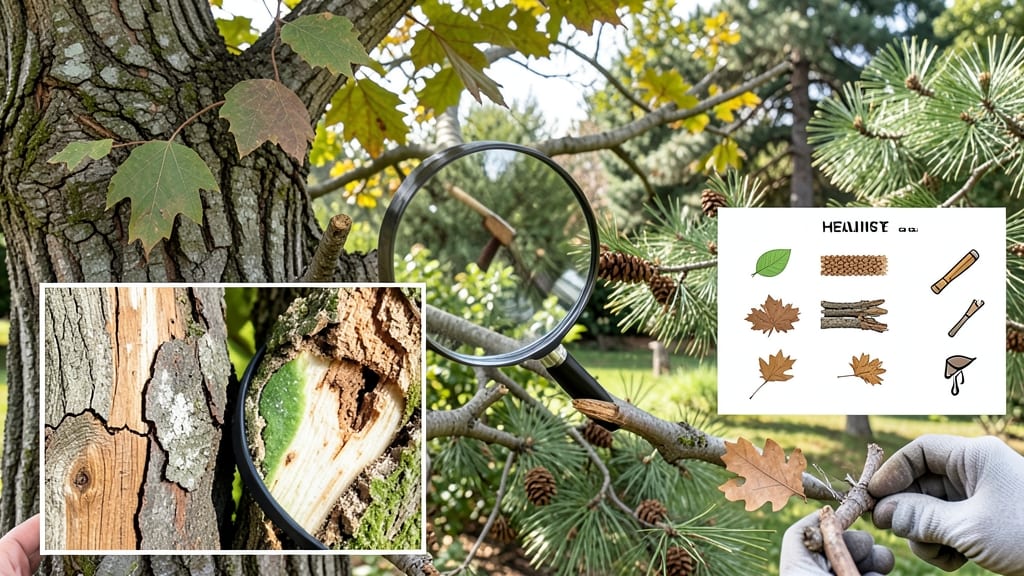
That hollow thud when your shovel hits wood instead of soil is the moment you know—how can you tell when a tree is dead? 🌳 Determining if a tree is dead isn’t just about spotting a few brown leaves; it’s about reading its bark, branches, and even its roots.
I’ve seen gardeners waste months trying to revive trees that were already beyond help, and I’ve also seen "dead" trees surprise everyone by bouncing back with the right care.
Start with the scratch test: peel back a small patch of bark—healthy trees bleed sap or show green underneath, while dead ones reveal dry, brittle wood. Check for branch dieback, too: if more than half the limbs are bare or brittle, it’s a red flag.
Even the trunk’s color matters: grayish, peeling bark signals decay, while smooth, consistent bark stays strong.
What you’ll discover is whether your tree needs removal, staking for revival, or just a little more patience. A dead tree can still serve as a wildlife habitat or even be milled into lumber—don’t rush to cut it down until you’re sure.
For large or leaning trees, though, call a professional before testing further.
Here’s the thing—some trees fake their death for years. If you’re unsure, dig a small hole near the base and check for white roots (alive) or dark, crumbly soil (dead). Safety first: if the tree’s over 30 feet tall or cracked, step back and let the experts handle it.
Underlying Causes Of Tree Death
Trees don’t just wither and die without reason—they succumb to a mix of environmental stressors, diseases, and human or animal interference. Understanding why a tree dies helps you prevent it from happening to others in your yard or neighborhood.
Below, we break down the most common culprits and the science behind them.
🌡️ Extreme Weather Stress
Trees are resilient, but prolonged exposure to extreme conditions can push them past their limits. Drought is one of the biggest killers—when soil moisture drops below 15%, roots struggle to absorb water, leading to hydraulic failure.
The tree’s vascular system (xylem) can’t transport water upward, causing leaves to wilt and die. Even if rain returns, the damage may be irreversible if the tree has been stressed for months.
On the flip side, flooding or waterlogging suffocates roots by displacing oxygen in the soil. Roots need aeration to respire; without it, they rot, and the tree starves. Freeze-thaw cycles also weaken trees by cracking bark and disrupting nutrient flow in the cambium layer (the tree’s growth ring).
Evergreens, like pines, are especially vulnerable because their needles transpire water year-round, making them prone to winter desiccation.
Actionable tip: Mulch heavily (3–4 inches) around the base to retain moisture in droughts and improve drainage in wet climates. Avoid compacting soil near the trunk, which restricts root oxygen.
🦠 Pathogens And Tree Diseases
Fungi, bacteria, and viruses are silent assassins of trees. Fungal infections, like Armillaria root rot or Dutch elm disease, spread through soil or insect vectors (e.g., bark beetles).
These pathogens clog the tree’s vascular system with mycelium or toxins, blocking water and nutrient transport. You might spot conks (shelf fungi) on the trunk—a classic sign of decay.
Bacterial diseases, such as fire blight (common in pears and apples), cause oozing cankers and blackened leaves. Viral infections, while less common, can stunt growth or cause mosaic patterns on leaves. Weakened trees—often due to poor health or prior damage—are the easiest targets.
Actionable tip: Prune infected branches 12+ inches below the lesion and sterilize tools with 70% isopropyl alcohol. Remove and destroy (don’t compost) severely infected wood to prevent spread.
🪓 Physical Damage And Injury
Trees can’t heal like animals—they compartmentalize damage by sealing off wounds with callus tissue.
But if the injury is too severe or repeated, the tree’s defenses fail. Mechanical wounds, like deep cuts from lawnmowers, construction equipment, or even girdling roots (roots that wrap around the trunk), disrupt the phloem (the tree’s food conduit). Without nutrients, the tree slowly starves from the top down.
Animal damage—such as rodent gnawing, deer browsing, or beetle infestations—can also be fatal. Bark beetles, for example, lay eggs under the bark, and their larvae tunnel through the cambium, killing the tree in weeks. Lightning strikes cause instant damage by vaporizing water in the xylem, creating steam explosions that split the trunk.
Actionable tip: Avoid "topping" trees (cutting branches flush to a limb) and keep the base clear of debris. If you must prune, make cuts at a 45-degree angle just outside the branch collar to promote healing.
🌿 Poor Soil And Nutrient Deficiencies
A tree’s health starts underground. Compacted or nutrient-poor soil limits root growth, while improper pH levels (too acidic or alkaline) lock out essential minerals like nitrogen, phosphorus, and potassium. Chlorosis (yellowing leaves) is a red flag—it often means the tree can’t absorb iron or magnesium, even if the soil contains them.
Soil-borne pests, like nematodes, attack roots, reducing their ability to uptake water. Salinity (from road salt or poor irrigation) also damages roots by drawing water out of cells through osmosis. Over time, the tree’s metabolic processes slow to a halt.
Actionable tip: Test soil pH (ideal range: 6.0–7.0 for most trees) and amend with compost or organic matter. Avoid over-fertilizing—too much salt can be as harmful as too little.
👨🌾 Human And Urban Factors
Humans unintentionally accelerate tree death through urban development, pollution, and poor maintenance. Construction activities sever roots or compact soil, while herbicide drift (from lawn treatments) can kill desirable trees. Air pollution, like ozone or sulfur dioxide, damages leaf stomata, reducing photosynthesis.
Even well-meaning practices, like over-pruning or planting too close to sidewalks, restrict growth. Ignoring early signs—like dead branches or fungal growth—lets minor issues escalate into full-blown decline.
Actionable tip: Plant trees with root zone protection (e.g., avoid planting under power lines or near driveways). Use slow-release, organic fertilizers and monitor for pollution sources like nearby factories or heavy traffic.
Revive Your Tree: Step-by-Step Fixes
Now that you’ve identified why your tree might be struggling, it’s time to take action! Whether your tree is dying from disease, pests, environmental stress, or poor maintenance, these practical solutions will help you nurse it back to health—or at least give it a dignified farewell if revival isn’t possible.
Here’s how to tackle each cause head-on, along with prevention tips to keep future trees thriving.
If your tree is suffering from fungal infections, bacterial rot, or blight, act fast before the issue spreads.
🔥 Remove Infected Areas
- Tools needed: Pruning shears, sterilized saw, gloves.
- Steps: 1. Cut away all diseased branches—don’t leave any infected wood, as it can reinfect the tree. 2.
Sterilize your tools with rubbing alcohol or a 10% bleach solution between cuts to prevent cross-contamination. 3. Dispose of infected branches far from your yard (burning or bagging them is best).
🍳 Apply Fungicide or Antifungal Treatments
- Use copper-based fungicides (like Bordeaux mixture) for fungal diseases or neem oil for mild infections.
- Follow the product instructions carefully—overapplying can harm the tree.
- Best time to treat: Early morning or late evening when the air is still to reduce stress on the tree.
🌡️ Improve Air Circulation & Drainage
- Thin out dense foliage to allow sunlight and airflow.
- Aerate compacted soil around the base with a garden fork to improve root health.
- Mulch properly (2–4 inches of organic mulch, kept away from the trunk).
💡 Pro Tip: If the disease is severe (e.g., Dutch elm disease or oak wilt), consult a certified arborist—some infections are untreatable, and removal may be the kindest option.
Pests like borers, aphids, or bark beetles can weaken a tree quickly. Here’s how to evict them for good.
👨🍳 Manual Pest Removal
- For soft-bodied pests (aphids, scale):
- Blast them off with a strong stream of water from a hose.
- Use insecticidal soap or neem oil spray (reapply every 7–10 days).
- For burrowing pests (borers, beetles):
- Drill small holes into the bark and inject beneficial nematodes or Bt (Bacillus thuringiensis)—natural, tree-safe pesticides.
🔪 Prune Damaged Wood
- Remove any branches with visible holes, sawdust-like frass, or oozing sap—these are signs of active infestation.
- Seal larger wounds with pruning sealant (only for wounds > ½ inch in diameter).
🌳 Strengthen the Tree’s Defenses
- Water deeply but infrequently to encourage strong root growth.
- Fertilize with slow-release, organic fertilizer (like compost or fish emulsion) to boost immunity.
- Attract natural predators by planting companion plants like marigolds or lavender nearby.
✨ Prevention Tip: Install tree band traps (sticky bands around the trunk) in early spring to catch emerging beetles before they lay eggs.
If your tree is struggling due to drought, poor soil, or extreme weather, these fixes can bring it back from the brink.
💧 Hydrate Properly
- Deep watering: Water slowly and deeply (1–2 inches per week) rather than shallowly.
Use a soaker hose or drip irrigation for efficiency. - Mulch heavily: Spread 3–4 inches of mulch (wood chips or straw) around the base (but not touching the trunk). - For newly planted trees: Water every 2–3 days for the first month, then taper off.
🌱 Soil Amendments for Nutrient Deficiencies
- Test your soil (a DIY kit or professional lab test will reveal pH and nutrient levels).
- Add organic matter:
- For acidic soil (pH < 6.0): Mix in lime.
- For alkaline soil (pH > 7.5): Use sulfur or peat moss.
- For poor fertility: Work in compost, worm castings, or a balanced fertilizer (10-10-10 ratio).
🌡️ Protect from Extreme Conditions
- Drought: Install a tree watering bag for slow, consistent moisture.
- Heatwaves: Provide shade cloth or lightweight burlap wraps for young trees.
- Frost damage: Wrap the trunk and branches in tree wrap or burlap before the first freeze.
🎯 Long-Term Tip: Plant native species in your area—they’re already adapted to local climate and soil, reducing stress risks!
Sometimes, the issue is as simple as human error—but it’s fixable!
🔪 Prune Correctly
- When to prune: Late winter or early spring (avoid pruning in fall for most trees).
- How to prune:
- Use clean, sharp tools to make smooth cuts at a 45-degree angle.
- Never top a tree—this encourages weak, disease-prone regrowth.
- Remove dead, crossing, or rubbing branches first.
🌳 Support Weak or Leaning Trees
- For young trees: Install a tree stake (only if necessary—over-staking can cause girdling).
- For mature trees: Use cables or braces if branches are at risk of snapping in storms.
- Avoid over-tightening—just enough to stabilize without restricting growth.
🚫 Avoid Common Mistakes
- Don’t over-fertilize—this can burn roots and attract pests.
- Don’t compact soil around the base (e.g., from heavy foot traffic or machinery).
- Don’t ignore root issues—if the tree is uprooted or girdled, professional help may be needed.
Not every tree can be saved. If you’ve tried everything and the tree is:
- Completely hollow with no living tissue inside.
- Infested with untreatable pests (like emerald ash borer in ash trees).
- Severely diseased with no signs of recovery after a year of care.
Consider removal to prevent the spread of disease or pests to other plants. A professional arborist can safely remove the tree and grind the stump to protect your landscape.
Final Thought: Reviving a dying tree takes patience and persistence, but with the right care, many can make a full recovery. Start with the fixes that match your tree’s symptoms, and monitor progress over the next few months.
If all else fails, remember—removing a dead tree is an act of kindness to your garden’s health! 🌿
Frequently asked questions
What does a dead tree look like compared to a dormant one?
A dormant tree (like in winter) has green bark underneath when you scratch it, while a dead tree reveals brown, dry wood. Dormant trees also have buds or tight clusters of leaves waiting to sprout, whereas dead trees have no buds and completely dry branches. Check for sap flow too—healthy trees ooze when cut, while dead ones don’t.
Can a tree be partially dead but still alive?
Yes! Many trees survive with dead branches if the trunk and 50%+ of the canopy remain healthy. Look for green leaves on at least half the tree and new growth in spring. If only the outer branches are dead but the core is alive, the tree might recover with proper care like pruning and watering.
How do I test a tree for life without damaging it?
Use the tap test: Knock on the trunk—hollow sounds mean decay, while solid thuds suggest life. For a closer look, check for peeling bark (healthy trees have smooth bark) or moss growth (often indicates moisture but not always death). Avoid deep scratches unless necessary.
What should I do if my tree is dead but still standing?
Remove it safely to prevent hazards like falling branches. For large trees, hire an arborist—DIY removal risks injury. If it’s small, cut at the base with a pruning saw and grind the stump. Dead trees also attract pests, so don’t leave them standing for long.
Can a tree come back to life after being declared dead?
Rarely, but it happens! If the roots are still alive (test by digging near the base), the tree might regrow from dormant buds. Give it 1–2 years of care (watering, mulching) before giving up. Some trees, like oaks or maples, are more resilient than others. Patience is key—don’t expect miracles overnight!