
Plants
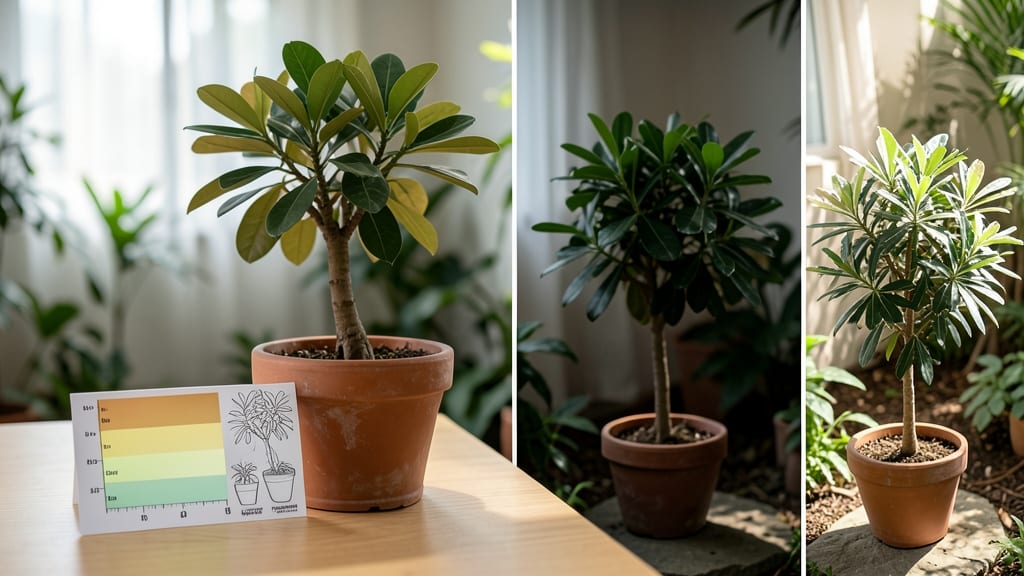
A money tree plant needs bright indirect light for 4-6 hours daily—think east-facing windows or filtered sunlight, not harsh midday rays.
Struggling to keep your 💰 thriving? Too little light and it stretches leggy, too much and the leaves crisp. The trick is finding that sweet spot where it grows full and vibrant, not stressed.
Most homes miss the mark by placing their money tree in dim corners or blazing south windows. I’ll show you how to spot the right balance, adjust for seasonal shifts, and even use artificial light if natural options fall short.
By the end, you’ll know exactly where to position yours for lush growth—no guesswork, just science-backed placement tips that actually work.


Ideal light requirements for money tree plants: bright indirect sunlight explained
The money tree plant (Pachira aquatica) thrives in bright indirect sunlight, making it perfect for indoor spaces. Unlike sun-loving plants, it can't handle harsh direct rays, which can scorch its leaves. Understanding its light spectrum needs is key to keeping it lush and healthy year-round.
Money trees are adaptable but prefer moderate light conditions—think dappled sunlight or filtered light from windows. Too little light leads to leggy growth, while too much causes brown leaf tips. The goal? Mimic its natural tropical habitat with gentle, diffused light.
Photosynthesis efficiency peaks when money trees receive about 4-6 hours of indirect light daily. This balance ensures strong stems and vibrant foliage. In low-light areas, growth slows, but the plant rarely dies—it just stretches toward any available light source.
For optimal growth, position your money tree near an east-facing window, where morning sunlight is gentle. North-facing windows also work well, offering consistent soft, diffused light throughout the day. Avoid south or west windows unless you use sheer curtains to filter the intensity.
In spaces with limited natural light, like basements or offices, supplement with LED grow lights. Place the light 6-12 inches above the plant and keep it on for 12-14 hours daily to mimic daylight. This prevents the leggy growth that occurs when plants stretch toward weak light sources.
Monitor your money tree’s leaves for color changes—dark green indicates healthy light levels, while pale yellow signals insufficient light. If leaves develop brown patches, move it farther from the window or add a sheer curtain to diffuse the light.
During summer, watch for afternoon sun, which can be intense even in indirect light. Rotate your plant occasionally to ensure even growth, as money trees naturally grow toward the light source. A quarter-turn every few weeks keeps the foliage balanced and full.
Remember, money trees are low-maintenance light-wise but perform best with consistency. If you notice new leaves growing smaller or paler, it’s a sign the plant needs slightly more light. Adjust gradually—sudden changes can stress the plant.
With the right light balance, your money tree will reward you with glossy leaves and sturdy branches, symbolizing prosperity in feng shui traditions. The key is patience and observation—your plant will tell you what it needs through its leaves! 🌿
Signs your money tree isn’t getting the right light: yellow leaves, brown spots, and other clues
Your money tree plant (Pachira aquatica) is sending you clear signals when its light needs aren’t met. Yellow leaves or brown spots aren’t just random—these are direct messages about its light exposure. Understanding these clues can save your plant from decline and restore its lush, vibrant growth.
First, observe the leaf patterns. If you notice yellowing leaves starting at the bottom, this often means your money tree isn’t getting enough bright indirect light. On the flip side, brown crispy edges or bleached patches suggest it’s receiving too much direct sunlight, causing leaf burn.
Leggy growth—where the stems stretch unnaturally tall with sparse leaves—is another red flag. This happens when your plant is reaching for light in dim conditions. Even worse, dropping leaves suddenly could mean it’s struggling to adapt to sudden changes in light intensity.
🌱
⚠️ How Much Light Does a Money Tree Plant Need?
Money trees thrive in bright indirect light—think east or north-facing windows. They need 4-6 hours of filtered sunlight daily. Too little light leads to weak, leggy growth, while direct sun exposure causes leaf scorch. Rotate your plant occasionally to ensure even light distribution.
Pro Tip: If your home lacks natural light, supplement with grow lights 12-14 hours daily.
Let’s troubleshoot these issues step by step. If your money tree has yellow leaves, move it closer to a bright window or use a grow light to boost light exposure.
For brown spots or crispy edges, relocate it to a spot with indirect light or add a sheer curtain to filter harsh rays.
Don’t ignore leaf drop either—this could signal a sudden light change, like moving it from a sunny porch to a dim room. Gradually acclimate your plant to new light conditions over 1-2 weeks to avoid shock.
If the soil stays too wet during adjustments, reduce watering slightly to prevent root rot.
For leggy growth, prune the elongated stems to encourage bushier growth and move the plant to a brighter location. Trim back to just above a leaf node to promote new shoots. Pair this with a balanced fertilizer (like 10-10-10) to support recovery.
With these fixes, your money tree should bounce back in 4-6 weeks. Keep an eye on its foliage color and growth pattern—they’re your best tools for adjusting care. A happy money tree means lucky growth (and fewer stressed-out leaves)! 💰