
How To
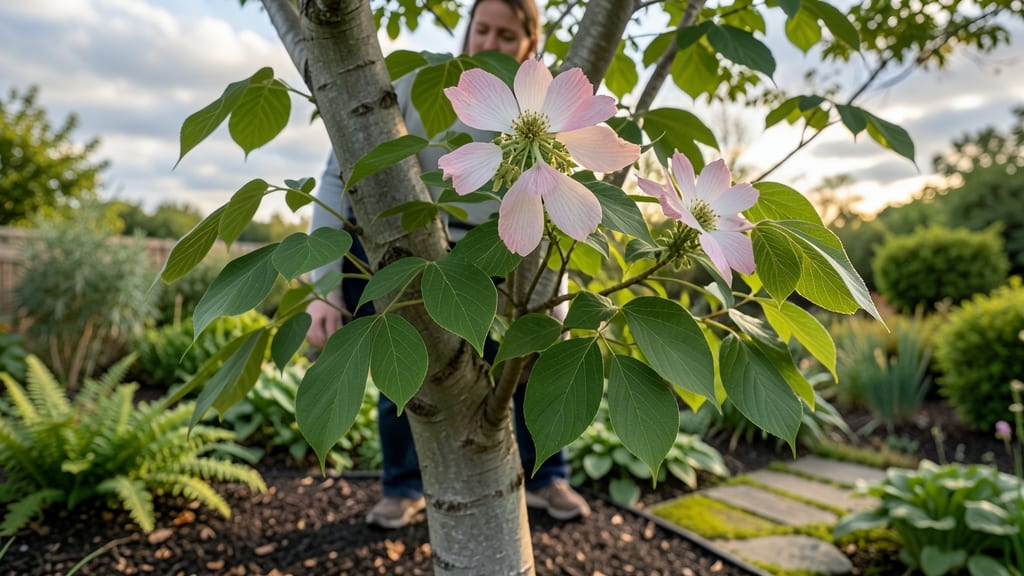
Wondering how tall a dogwood tree can grow? Its mature height can range from a compact 8 feet all the way up to a towering 40 feet, depending on the variety you choose.
For example, the Cornus florida (flowering dogwood) typically matures between 20 and 30 feet, making it a great mid-sized tree for many landscapes. Meanwhile, dwarf varieties like 'Rutledge' or 'Cherokee Brave' stay under 10 feet, perfect for smaller gardens.
In this guide, I’ll break down the height ranges by variety, the factors that influence growth, and practical tips to manage your dogwood’s size—whether you want it to stay small or grow tall.

Dogwood tree height by variety: small, medium, and towering options
Choosing a dogwood tree for your landscape starts with understanding its mature height. The Cornus genus offers stunning options—from petite shrubs perfect for small yards to towering specimens that make bold statements in large gardens.
Whether you're planning a backyard retreat or a woodland garden, knowing the height range helps you select the perfect variety.
Dogwood trees typically mature between 10 and 40 feet, but the difference between varieties can be dramatic. For example, the Cornus florida (flowering dogwood) often reaches 20-30 feet, while dwarf varieties like 'Cherokee Brave' stay under 8 feet.
Let’s explore the full spectrum so you can visualize which dogwood will thrive in your space.
🌳
If you're working with limited space, dwarf varieties like 'Cherokee Brave' or 'Golden Sunshine' are excellent choices. These stay under 8 feet and fit perfectly in containers or small garden beds. For a statement tree, the Cornus florida or 'Royal Purple' will add drama with their 20-30 foot stature.
Pro tip: Always check the spread of a dogwood variety, as some (like Cornus alternifolia) grow wider than they do tall. This multi-stemmed beauty thrives in woodland settings where it can spread its branches naturally.
For urban gardens, Cornus kousa varieties like 'Milky Way' offer a drought-tolerant option that stays between 15-25 feet. Their smaller flowers and glossy leaves make them a versatile pick for city landscapes where space is at a premium.
When planning your dogwood’s placement, consider its mature height and how it will interact with nearby structures. A 30-foot tree planted too close to a house or power line will need regular pruning to maintain safety and aesthetics.
🌿
Remember that soil quality and sunlight exposure can influence a dogwood’s final height. In ideal conditions, a Cornus florida might reach its full 30-foot potential, while poor soil or shade could limit its growth. Always plant in well-draining soil with partial shade for best results.
Whether you're dreaming of a whimsical woodland garden or a modern urban oasis, there’s a dogwood variety to match your vision. The key is selecting a height that complements your space while meeting your gardening goals.
✂️
Factors that influence dogwood tree growth height
The height of your dogwood tree isn't just about genetics—it's heavily influenced by environmental factors and care habits. For example, a Cornus florida might reach 20-30 feet in ideal conditions, but the same tree could stay under 15 feet in poor soil or with aggressive pruning.
Understanding these variables helps you shape your dogwood's size to fit your landscape perfectly.
One of the biggest factors is soil quality. Dogwoods thrive in well-draining, slightly acidic soil (pH 5.0-6.0). Compacted or nutrient-poor soil stunts root development, limiting vertical growth.
Amending your soil with compost or organic matter can encourage healthier, taller growth—especially for varieties like Cornus kousa, which naturally grows 25-35 feet tall.
Well-draining, acidic soil (pH 5.0-6.0) promotes full growth potential. Compacted soil restricts roots, capping height at 50-70% of expected size.
6+ hours of sun fuels rapid growth (e.g., Cornus alternifolia can hit 12-20 feet), while partial shade keeps trees 10-15 feet tall.
Regular pruning in late winter controls height—removing 1/3 of new growth annually can keep dogwoods 30-50% shorter than their natural height.
Dogwoods in USDA Zones 5-8 grow fastest. In Zone 9+, heat stress can stunt growth by 20-30%, while colder zones (Zone 4) may yield shorter, bushier trees.
Deep weekly watering during droughts boosts height by 15-25%**, while inconsistent watering leads to stunted, weak growth.
Another critical factor is sunlight exposure. Dogwoods are adaptable but grow most vigorously with 6+ hours of direct sun.
In full sun, varieties like Cornus florida can reach their maximum height of 20-30 feet, while partial shade (their preferred condition) often results in a more compact, 10-15 foot tree. If you're planting near a fence or under tall trees, expect a shorter, bushier dogwood.
Your pruning habits also play a huge role. Pruning in late winter or early spring encourages new growth, but aggressive pruning can limit height. For example, if you remove 30% of the canopy annually, your dogwood may stay 30-50% shorter than its natural height.
On the flip side, minimal pruning lets dogwoods grow to their full potential—ideal for larger landscapes.
Finally, climate zones affect growth rates. Dogwoods thrive in USDA Zones 5-8, where they grow quickly and reach mature heights.
In warmer zones (Zone 9+), heat stress can slow growth by 20-30%, while in colder zones (Zone 4), dogwoods may grow more slowly but develop a stockier, bushier form. Always choose varieties suited to your local climate for the best results.
By paying attention to these factors, you can encourage or control your dogwood's height—whether you want a small shrub-like dogwood for a tight space or a towering specimen for a backyard focal point. Start with the right variety, then fine-tune with care! 🌳