
How To
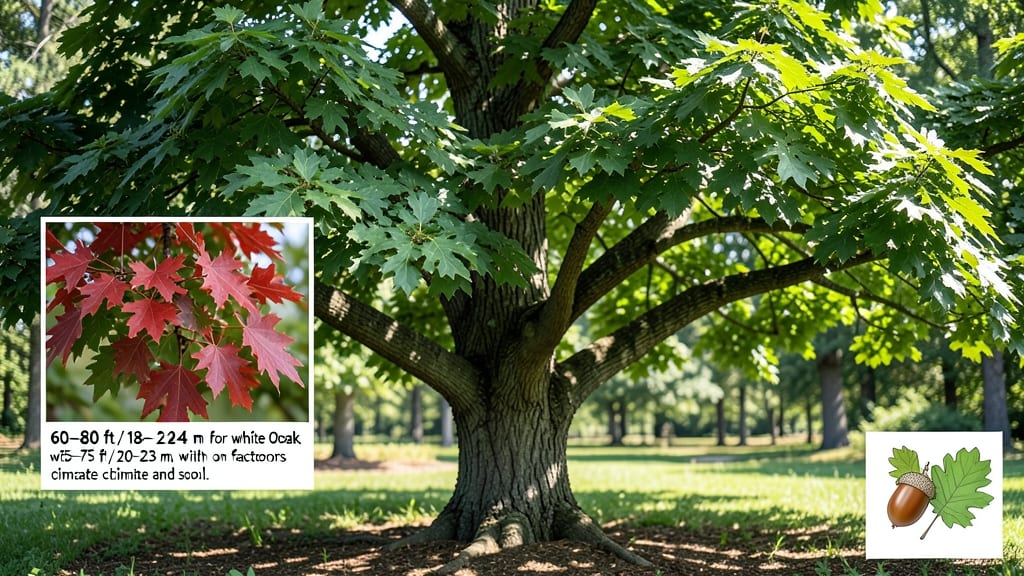
An oak tree can grow to over 100 feet tall under ideal conditions, with some species like the white oak reaching legendary heights that dwarf even the tallest buildings.
Imagine standing beneath a towering oak tree 🌳 so massive its branches stretch wider than a football field—some of these ancient giants reach heights that defy imagination. But how tall can an oak tree grow, and what factors determine its skyward potential?
From the towering white oak in North America to the sprawling live oak in the South, oak species vary wildly in height. While some stay compact, others become skyscrapers of the forest, with genetics and environment playing starring roles in their growth journey.
In this guide, I’ll break down the tallest oak species, the secrets behind their staggering heights, and whether you can grow one in your backyard—spoiler: it’s possible, but you’ll need patience and space!

Record heights of oak tree species: from dwarfs to giants
When I first learned that some oak trees can grow taller than a 10-story building, I was amazed. The white oak and red oak species, in particular, hold records that make them true forest giants.
But not all oaks reach these heights—some remain modest in size. Let’s explore the maximum recorded heights of the most impressive oak species and what makes them grow so differently.
Oak trees belong to the Quercus genus, with over 600 species worldwide. Their height varies dramatically based on genetics, climate, and growing conditions. While some oaks stay under 30 feet, others like the coast live oak can surpass 100 feet in ideal environments.
Understanding these differences helps gardeners choose the right species for their space and climate.
Comparison of Oak Tree Heights (Maximum Recorded Heights):
The coast live oak holds the record for the tallest oak species at 110 feet, thanks to California’s mild coastal climate and nutrient-rich soils. Meanwhile, the white oak and red oak dominate the eastern U.S. with heights exceeding 90 feet.
These giants thrive in full sun and deep, well-drained soil, which accelerates their vertical growth.
Smaller oak species, like the dwarf chinquapin oak (Quercus prinoides), rarely exceed 20 feet in height. Their compact size makes them ideal for urban landscapes or small gardens where space is limited. The difference in height between these species highlights how genetics and environment shape a tree’s potential.
One common misconception is that all oak trees grow equally tall. In reality, live oaks and white oaks often outpace others due to their aggressive root systems and adaptability to various soil types.
For example, a live oak in Florida can grow 30% faster than a red oak in the same region because of its tropical climate advantages.
If you’re considering planting an oak tree, choose a species that matches your local climate and available space. A white oak might become a forest giant in your backyard, while a bur oak could thrive in drier, midwestern conditions.
Always research the mature height before planting to avoid future pruning headaches.
For gardeners in urban areas, dwarf varieties or carefully pruned young trees can help manage height. However, even these smaller oaks will eventually reach their genetic height limit.
Understanding these records helps set realistic expectations and ensures your oak tree grows to its full potential without overpowering your landscape.
🌳
Key factors that determine oak tree height growth
If you've ever wondered why some oak trees tower over others, the answer lies in a mix of genetic potential and environmental conditions. While white oaks can reach 100 feet in ideal settings, their height is never guaranteed—it's shaped by what nature and your garden provide.
Let's explore the five key factors that determine how tall your oak tree will grow.
The species type sets the baseline for height potential. For example, white oaks and bur oaks typically grow taller than live oaks, which often develop broader canopies instead.
But even within species, individual trees vary by 10-20 feet due to genetics. Understanding this helps you set realistic expectations for your oak's future stature.
🌳 Top 5 Factors That Shape Oak Tree Height
- 1. Soil Quality: Rich, well-draining soil with 6.0-7.0 pH fuels faster growth. Compacted or poor soil can stunt height by 30-50%.
- 2. Sunlight Exposure: Full sun (6+ hours daily) maximizes photosynthesis. Shady spots reduce height growth by 20-40%.
- 3. Water Availability: Deep watering 2-3 times weekly for young trees promotes vertical growth. Drought stress can limit height by 15-30 feet.
- 4. Climate Zone: Trees in USDA Zones 6-9 grow faster due to longer growing seasons. Colder climates slow height gain by 1-2 feet per year.
- 5. Root System: Deep, unrestricted roots support taller growth. Root damage (e.g., from construction) can reduce height by 50% or more.
Let's start with soil quality, the foundation of oak tree growth. Oak trees thrive in loamy soil with good drainage—sandy or clay-heavy soils can limit their height potential.
I always recommend testing your soil's pH and nutrient levels before planting. Amending with compost or organic matter can boost growth by 10-20% in the first 5 years.
Next, sunlight exposure plays a critical role. Oak trees need at least 6 hours of direct sun daily to reach their maximum height. In my garden, I've seen oak saplings grow 2 feet taller per year in full sun compared to just 1 foot in partial shade.
Positioning matters—south-facing locations in the Northern Hemisphere provide the best light.
Water availability is often overlooked but crucial. Young oak trees need deep, consistent watering—about 10-20 gallons per week—to establish strong root systems. Once established, they become drought-tolerant, but prolonged dry spells can stunt their vertical growth. Mulching around the base helps retain moisture and encourages deeper root development.
Climate zone also affects height growth. Oak trees in warmer climates (Zones 7-9) grow faster due to longer growing seasons. In cooler zones (like Zone 5), growth slows, and trees may take 10-15 years longer to reach maturity.
Choosing the right oak species for your climate—like white oak for colder regions or live oak for warmer areas—can help optimize height potential.
Finally, the root system determines how tall your oak can grow. Healthy roots anchor the tree and transport water and nutrients upward. Avoid planting near sidewalks or driveways, as root restriction can limit height by 30-50%.
If you're planting in an urban area, choose a smaller oak variety like Shumard oak, which matures at 40-50 feet but still thrives in confined spaces.
By optimizing these five factors, you can help your oak tree reach its full height potential. Remember, patience is key—oaks grow slowly, with 1-2 feet of height gain per year in ideal conditions. With the right care, your oak could one day become the majestic centerpiece of your landscape. 🌳