
How To
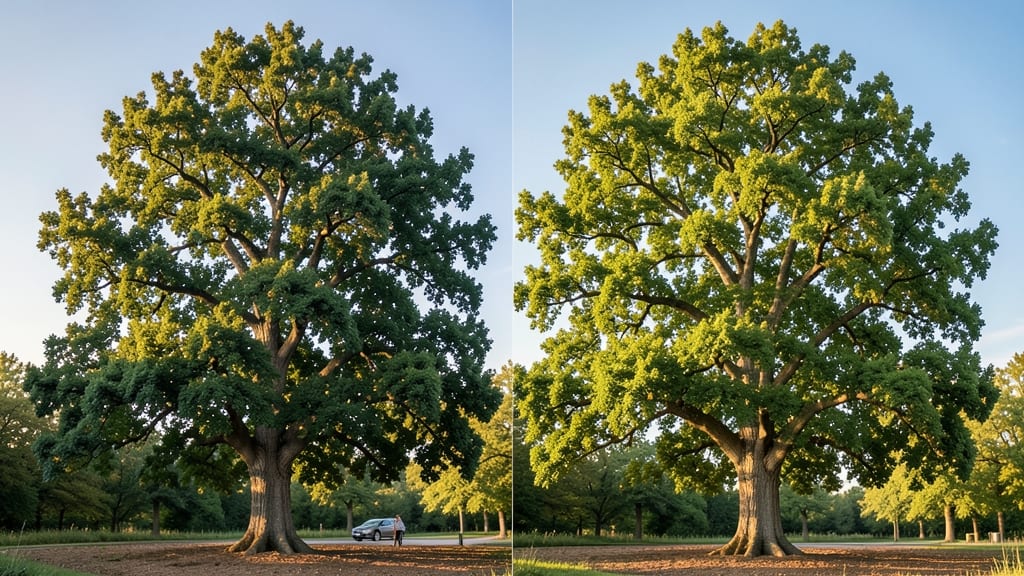
An oak tree can grow to how tall can an oak tree grow heights that dwarf even the tallest buildings 🌳—some species like the Coast Live Oak reach over 100 feet under perfect conditions.
Picture this: a tree so massive its branches stretch higher than a 6-story apartment complex, its roots delving deep into the earth for decades. That’s the potential of an oak, but whether yours hits those heights depends on more than just time—soil, climate, and care all play a role.
If you’re dreaming of a backyard giant or just curious about the sky-scraping limits of oaks, you’re in the right place. Below, we’ll break down the tallest species, how climate affects growth, and the simple steps to help your oak reach its full potential.
From the towering red oaks of the Midwest to the sprawling white oaks of the East Coast, each variety has its own growth story. Let’s explore what makes some oaks sky-high and others stay modest.

Maximum heights of oak tree species: from dwarfs to giants
Oak trees are nature's skyscrapers, with some species reaching heights that dwarf even the tallest buildings. The Coast Live Oak can grow over 100 feet, while others like the Dwarf Chinkapin Oak stay under 20 feet.
Your choice of species—and your climate—will determine just how towering your oak can become. Let's explore the height ranges of popular oak varieties and what influences their growth potential.
Understanding these differences helps you select the perfect oak for your landscape, whether you want a majestic giant or a compact shade tree. Some species thrive in coastal climates, while others prefer inland regions with distinct seasonal changes.
Let's dive into the specifics so you can make an informed decision for your garden or property.
Comparison Table: Oak Tree Heights by Species
The Coast Live Oak is the undisputed champion of oak heights, often reaching 100 feet or more in ideal coastal conditions. These giants are perfect for large properties where you want a tree that will outlive multiple generations.
Their slow growth rate means they'll take decades to reach their full height, but the patience pays off with a tree that can live for centuries.
On the smaller end, the Dwarf Chinkapin Oak is ideal for gardeners with limited space. Growing just 15-20 feet tall, it's perfect for containers or small yards. Its compact size doesn't mean it lacks beauty—this oak offers stunning fall foliage and acorns that attract wildlife.
If you're working with tight spaces, this species proves that oaks can thrive in miniature form too.
Climate plays a crucial role in
Climate and soil factors that influence oak tree height growth
Oak trees thrive when given the right growing conditions, but their height potential is heavily influenced by climate and soil quality. Temperature, rainfall, and sunlight exposure all play critical roles in determining whether your oak will grow into a towering giant or stay shorter.
For example, Coast Live Oaks in California's mild climate can reach 100+ feet, while the same species in colder regions may only grow to 60-70 feet. Understanding these factors helps you optimize growth for your region.
Soil type is another game-changer. Oaks prefer well-draining, slightly acidic soil (pH 5.0-6.5), but heavy clay or sandy soils can stunt growth. In clay-heavy areas, amending soil with compost improves aeration and nutrient uptake, while sandy soils may require organic matter to retain moisture.
Even the depth of the root zone matters—deep, loose soil allows roots to spread and support taller growth.
🌳 Key Takeaway: Oak Tree Height Factors
Warmer zones = taller growth (e.g., 100+ ft in coastal areas)
Drought stress = stunted growth; 12-24" annual rain ideal
Well-draining, acidic (pH 5.0-6.5), deep root zone
6+ hours daily = faster vertical growth
📌 Pro Tip: Test your soil's pH and amend with compost or sulfur to match oak preferences.
Sunlight exposure directly impacts an oak's growth rate. While oaks tolerate partial shade, full sun (6+ hours daily) accelerates vertical growth by up to 30%. In shadier climates, like the Pacific Northwest, oaks grow more slowly but develop denser canopies.
If planting in a urban area with limited sunlight, choose White Oak varieties, which adapt better to partial shade than Red Oaks.
Temperature extremes also play a role. Young oaks struggle in USDA Zones 3-4 due to frost damage, while mature trees in Zones 5-9 thrive. For example, Bur Oak in the Midwest can reach 80 feet with proper care, but early frosts may delay early growth.
Mulching around the base in winter insulates roots and protects against temperature swings.
Rainfall patterns affect oak height differently by region. In arid climates like Arizona, oaks grow slower but develop deeper root systems to access water. Conversely, humid Southern climates support faster growth, but excess moisture can lead to root rot.
Drip irrigation or deep watering schedules (every 10-14 days) help maintain optimal moisture without over-saturating the soil.
To maximize height, combine these factors: plant in well-draining, acidic soil, ensure full sun exposure, and monitor water and temperature conditions. With the right care, even smaller oak species like the Pin Oak can exceed 50 feet in ideal conditions.
Start with a soil test and adjust your approach based on your local climate zone.