
How To
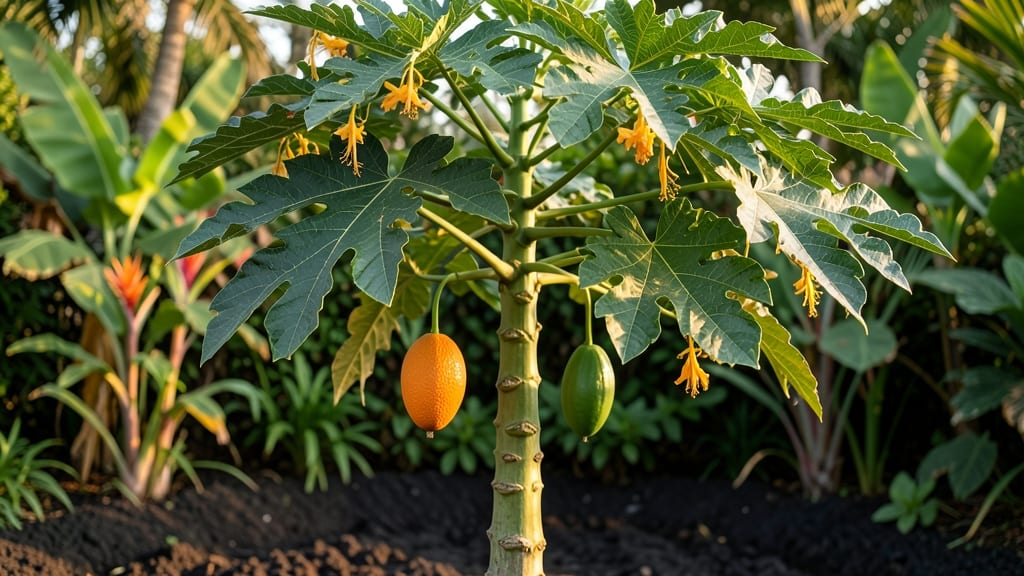
A papaya tree can grow anywhere from 3 feet to over 30 feet tall, depending on the variety and growing conditions—so yes, your backyard can handle it, even if you thought it would outgrow your space.
Picture this: a 🥝 papaya tree stretching toward the sky in your tropical garden, its broad leaves casting shade while its sweet fruit ripens just out of reach.
But here’s the twist—some varieties stay small enough for containers, while others shoot up like a jungle giant. The right choice depends on your space, climate, and patience.
If you’re wondering how to control its height or whether a dwarf variety will still produce fruit, you’re not alone. Many gardeners assume bigger means better, but compact papayas can be just as productive—and far easier to manage.
Below, I’ll break down the height ranges, the factors that influence growth, and how to pick the perfect variety for your setup.
You’ll also discover how to maximize fruit production in small spaces, whether you’re working with a balcony pot or a sprawling backyard. Ready to grow your own tropical treasure without the towering headache?

Papaya tree height range: from dwarf varieties to towering giants
Papaya trees are one of nature’s most dramatic plants when it comes to size—some stay small enough for containers, while others grow tall enough to dwarf your two-story house.
The height range of a papaya tree depends entirely on the variety you choose, with some reaching 30+ feet in tropical climates. Even in small spaces, there are dwarf varieties that stay under 6 feet, making them perfect for patios or balconies.
If you’re planning your garden layout, understanding these height differences is key. A standard papaya tree can grow 15-25 feet tall, while giant tropical varieties may even surpass 30 feet in ideal conditions.
Meanwhile, dwarf varieties like 'Solo' or 'SunUp' top out at just 3-6 feet, offering the same delicious fruit without the space commitment.
| Variety Type | Mature Height Range | Growth Rate (First Year) | Best For |
|---|---|---|---|
| Dwarf Varieties | 3–6 feet | 3–5 feet | Containers, patios, small yards |
| Standard Varieties | 15–25 feet | 6–10 feet | Backyards, tropical gardens |
| Giant Tropical Varieties | 25–30+ feet | 8–12 feet | Large estates, commercial farms |
Understanding how a papaya tree grows over time is just as important as its final height. In their first year, even giant varieties start small—typically 3-6 feet—before shooting up dramatically in years two and three.
By year three, a standard papaya tree can reach 15-20 feet, while dwarf varieties will plateau around 6 feet. This rapid growth means planning for vertical space early on, especially if you’re growing larger varieties.
One common misconception is that all papaya trees need a massive yard. In reality, dwarf varieties thrive in 5-gallon containers or larger, making them ideal for urban gardeners. Even standard varieties can be pruned strategically to control height, though this may reduce fruit production slightly.
If you’re in a small apartment, a dwarf papaya in a sunny window can still yield 5-10 fruits per year.
The growth stages of a papaya tree also impact its height trajectory. Seedlings grow slowly at first, focusing energy on root development. Once established, they enter a rapid vertical growth phase, especially during warm, humid seasons.
This is why papaya trees in tropical climates grow taller faster than those in cooler microclimates. If you’re growing in USDA zones 9b-12, expect faster growth compared to container-grown trees in colder regions.
For those with limited space, pruning techniques can help manage height without sacrificing fruit. Pinching back the top growth encourages bushier growth and can reduce height by 30-50%. However, avoid heavy pruning during fruit-bearing seasons, as this can stress the plant.
Instead, focus on structural pruning in late winter or early spring to shape the tree while preserving its ability to produce fruit.
If you’re growing papayas in containers, height control becomes even more critical. A 5-gallon pot may only accommodate a dwarf variety, while a 15-gallon container could handle a semi-dwarf up to 8 feet.
Always ensure your container has drainage holes and use a lightweight potting mix to prevent root-bound stress, which can stunt growth or even kill the tree.
No matter which variety you choose, sunlight exposure plays a huge role in determining how tall your papaya tree will grow. Trees in full sun (6+ hours daily) grow 20-30% faster than those in partial shade.
If you’re growing indoors near a south-facing window, supplement with a grow light to ensure the tree gets enough light for optimal growth.
Ready to pick the perfect papaya tree for your space? Whether you’re dreaming of a towering tropical giant or a compact patio-friendly dwarf, there’s a variety that fits your garden—just choose wisely based on your available space and climate! 🌱
Key factors that determine how tall your papaya tree will grow
Your papaya tree’s height isn’t just a matter of luck—it’s shaped by a mix of genetics, environment, and care. While some varieties naturally reach 30 feet, others stay under 6 feet with the right conditions. Understanding these factors helps you control growth or maximize space in your garden.
First, genetics play the biggest role. Dwarf varieties like 'SunUp' max out at 8 feet, while standard types like 'Hawaiian' can tower 20-30 feet. Even within the same variety, trees in ideal conditions grow taller than those struggling with poor soil or pests.
Pruning isn’t just for shaping—it’s a tool to control height. For example, if your 'SunUp' papaya starts stretching toward the sky, prune the top 12 inches of new growth to encourage bushier, shorter growth. Just avoid over-pruning, which can stress the tree and stunt fruit production.
Another critical factor is watering consistency. Papayas need deep, infrequent watering (1-2 gallons every 7-10 days) to grow tall and strong. Underwatering leads to stunted growth, while overwatering causes root rot, which can kill the tree before it reaches maturity.
Finally, container size matters if you’re growing papayas in pots. Dwarf varieties like 'Solo' thrive in 15-gallon containers, but standard types need 50+ gallons to reach full height. Smaller pots restrict root growth, capping height at 6-10 feet even with ideal care.
By mastering these factors, you can grow a papaya tree that fits your space—whether you want a compact patio tree or a towering tropical giant. Start with the right variety, then tweak sunlight, soil, and pruning to guide its growth.