
How To
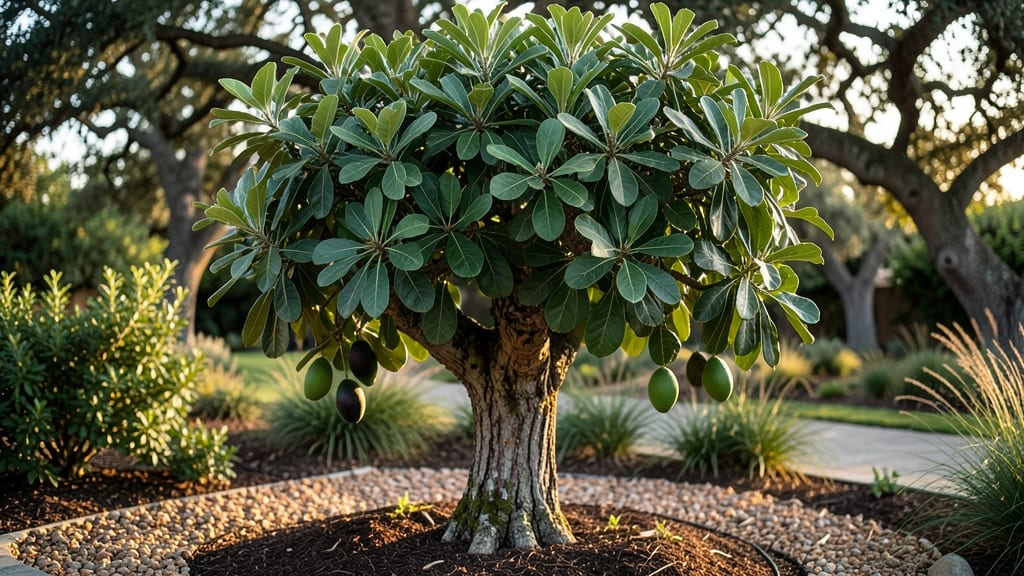
A mature avocado tree can grow between 30 and 50 feet tall—though some varieties stretch even taller—so planning your space is half the battle before you plant.
Picture this: a 30-foot tree in your backyard, its glossy leaves rustling in the breeze, or a dwarf variety that fits neatly in a container. The difference isn’t just aesthetics—it’s about whether you’re growing for fruit, shade, or just the joy of watching it thrive.
Standard varieties like Hass and Fuerte reach their towering heights naturally, while dwarf avocados stay compact thanks to careful grafting. But even dwarfs need room—10 to 15 feet at maturity—and full sun to grow their best.
In this guide, I’ll break down the height ranges, how to control growth with pruning, and which varieties suit small spaces—so you can pick the perfect 🥑 for your garden.

Standard avocado tree height: how tall they grow naturally
If you're dreaming of growing a standard avocado tree in your backyard, you're in for a treat—but also a surprise! These trees aren't just tall; they're tropical giants that can reach heights of 30 to 50+ feet when left unchecked.
In their natural habitat, like the Mexican highlands or Central American rainforests, they thrive without human intervention, growing as tall as three-story buildings or more.
In ideal conditions—like USDA Zones 9-11—a standard avocado tree can grow 2-3 feet per year during its first decade. For example, a Hass avocado tree, one of the most popular varieties, can hit 20 feet in just 5 years and easily surpass 40 feet by maturity.
That’s why planning for their eventual height is crucial before planting.
🌱
One of the biggest factors influencing a standard avocado tree's height is its climate zone. In tropical regions, like parts of Hawaii or Florida, these trees grow aggressively, often reaching 50+ feet without intervention.
However, in cooler microclimates, such as Southern California, they may max out at 25–35 feet due to slower growth rates. For instance, a Fuerte avocado tree in Zone 10 might stay around 30 feet, while the same tree in Zone 11 could easily hit 45 feet.
Another critical factor is soil quality and drainage. Avocado trees thrive in well-draining, slightly acidic soil (pH 6.0–7.0). Poor drainage or compacted soil can stunt growth, but even in ideal conditions, their natural tendency is to grow tall.
If you're planting near a residence or fence, consider pruning strategies early to manage height. I’ve seen Hass trees in Los Angeles backyards reach 35 feet in just 10 years—so space planning is non-negotiable!
Pruning plays a huge role in controlling height, but it’s a double-edged sword. While regular pruning can keep a tree at a manageable 20–25 feet, it can also delay fruit production by 2–3 years.
If your goal is fruit harvest, you’ll need to balance pruning with the tree’s natural growth. For example, light pruning (removing only dead or crossing branches) allows the tree to grow taller while still producing avocados.
Heavy pruning, like topping the canopy, can reduce height but may stress the tree.
Let’s talk about real-world examples to put this into perspective. In Hawaii, avocado trees often grow wild and unpruned, reaching heights of 60 feet or more.
Meanwhile, in urban gardens in San Diego, homeowners frequently prune their Hass trees to keep them under 25 feet to avoid shading neighboring plants or structures. The key takeaway? Your location and pruning habits will dictate just how tall your avocado tree becomes.
If you’re wondering whether your backyard can handle a standard avocado tree, measure your space carefully. A 40-foot tree needs at least 20 feet of clearance from structures, power lines, and other trees.
That means if your property is only 30 feet wide, a standard avocado tree might not be the best choice—unless you’re committed to aggressive pruning. For smaller spaces, consider dwarf varieties, which we’ll cover in the next section.
But for now, remember: patience and planning are your best tools when growing
Dwarf avocado trees: compact heights for small spaces
If your backyard is small but you dream of growing your own avocados, dwarf varieties are the perfect solution. These trees stay between 10-15 feet tall at maturity, making them ideal for patios, containers, or tight urban spaces.
The secret to their compact size? Grafting and specialized rootstock—techniques that control growth while preserving fruit quality.
Grafting involves attaching a desirable avocado variety (like Hass or Fuerte) onto a dwarfing rootstock, like Mexican avocado rootstock. This combination restricts vertical growth while maintaining the fruit-bearing characteristics of the scion. For home gardeners, this means enjoying homegrown avocados without sacrificing space or aesthetics.
| Variety | Mature Height | Rootstock Used | Best For |
|---|---|---|---|
| Hass Dwarf | 12-15 ft | Mexican rootstock | Containers, patios |
| Fuerte Dwarf | 10-13 ft | West Indian rootstock | Small yards, urban gardens |
| Bacon Dwarf | 14-16 ft | Mexican rootstock | Cold-hardy zones |
| Lamb Hass Dwarf | 10-12 ft | Mexican rootstock | Heavy fruit production |
Caring for dwarf avocado trees is similar to standard varieties, but with a few key adjustments. They still need full sun (6+ hours daily) and well-draining soil, but their smaller size means they’re easier to prune and harvest.
Regular pruning in late winter encourages bushier growth, while container growing lets you move them indoors during frost.
One common misconception is that dwarf trees produce fewer avocados. In reality, their compact size often leads to earlier fruiting (as early as 3-5 years) and higher yields per square foot. Just ensure you provide consistent moisture and balanced fertilization (like a 10-10-10 NPK blend) to support their fruit production.
For urban gardeners, dwarf avocados thrive in large containers (20+ gallons) with drainage holes. Use a lightweight potting mix blended with perlite to prevent root rot. In colder climates, overwinter them in a garage or greenhouse where temperatures stay above 40°F.
If space is your biggest constraint, a dwarf avocado tree is a game-changer. With the right variety and care, you’ll enjoy homegrown avocados without the towering height of a standard tree. Start with a grafted nursery tree, and watch your small space transform into a tropical oasis! 🌱🥑