
Trees
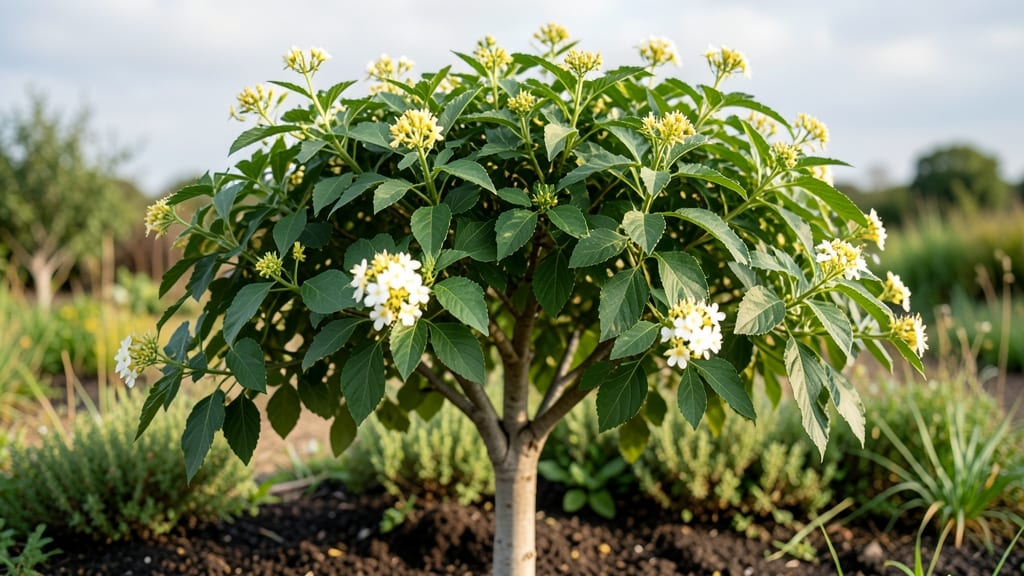
How tall does a mustard tree grow? It can range anywhere from 2 feet to towering 25 feet, depending on the variety and growing conditions—so choosing the right one for your space is everything.
Picture this: a sunny backyard where a compact mustard tree adds texture without stealing the show, or a sprawling landscape where its towering branches create a dramatic focal point. The difference often comes down to climate, soil, and how much pruning you’re willing to do.
In cooler zones like 6a, most mustard trees stay on the shorter side, while warmer climates can push them toward their full height. Even in small spaces, with the right care, you can keep them manageable—whether that means dwarf varieties (though they’re rare) or strategic pruning.
Below, I’ll break down the height ranges by variety, how climate plays a role, and the easiest ways to control growth if space is tight. Ready to pick the perfect size for your garden?

Mustard tree height by variety: dwarf vs. giant growth comparisons
When planning your garden layout, the mustard tree height can make or break your design. Some varieties like Brassica juncea 'Green Wave' stay compact, while others like Brassica hirta 'Tree Mustard' can reach towering heights. Understanding these differences helps you choose the right variety for your space and climate.
The mustard tree growth varies dramatically between edible and ornamental types. Ornamental varieties often grow taller, reaching 15-25 feet at maturity, while edible types may stay shorter. Let’s break down the key differences so you can pick the perfect fit for your garden.
🌱 Comparison Table: Mustard Tree Height by Variety
| Variety | Common Name | Mature Height | Growth Rate | Best For |
|---|---|---|---|---|
| Brassica juncea 'Green Wave' | Green Wave Mustard | 4-6 ft | Moderate | Small gardens, containers |
| Brassica hirta 'Tree Mustard' | Tree Mustard | 15-25 ft | Fast | Large landscapes, shade trees |
| Brassica carinata 'Abyssinian Mustard' | Abyssinian Mustard | 8-12 ft | Moderate | Mediterranean climates |
| Brassica juncea 'Leaf Mustard' | Leaf Mustard | 3-5 ft | Slow | Herb gardens, edible landscapes |
| Brassica juncea 'Brown Mustard' | Brown Mustard | 6-10 ft | Moderate | Temperate zones, culinary use |
If you’re working with limited garden space, varieties like Brassica juncea 'Green Wave' or 'Leaf Mustard' are ideal. These stay under 6 feet, making them perfect for containers or small backyard gardens. Their slower growth rate also means less frequent pruning, which is great for busy gardeners.
For those with larger properties, Brassica hirta 'Tree Mustard' is a showstopper. This variety can grow taller than a standard garage door (about 16 feet), providing ample shade and a striking focal point.
However, its fast growth rate means you’ll need to plan for pruning early to manage its size.
Ornamental mustard trees, like Abyssinian Mustard, offer a middle ground with heights of 8-12 feet. These are perfect for mediterranean climates and add visual interest with their unique foliage. They grow at a moderate pace, giving you time to adjust your garden layout as they mature.
One common question is whether mustard trees can be grown in containers. The answer depends on the variety. Dwarf types like 'Leaf Mustard' thrive in 15-20 gallon pots, while larger varieties need ground planting.
Always choose a container with drainage holes and use well-draining soil to prevent root rot.
When selecting a mustard tree, consider your local climate zone. In cooler regions (USDA Zone 5-7), growth may slow in winter, while warmer zones (Zone 8-10) support faster, year-round growth. Always check the specific variety’s hardiness zone range before planting to avoid disappointment.
Finally, remember that pruning young mustard trees can influence their final height. Regular trimming in early spring encourages bushier growth, while selective pruning can redirect energy toward height or width. This is especially useful for controlling giant varieties in small spaces.
Climate zones and mustard tree growth: how temperature affects height
Your USDA hardiness zone plays a major role in determining how tall your mustard tree (Brassica juncea) will grow. In colder zones like Zone 5 or 6, these trees often stay shorter—around 10-15 feet—due to slower growth cycles.
Meanwhile, in warmer zones like Zone 9 or 10, they can reach their full 20-25-foot potential with rapid, year-round growth.
Mustard trees thrive in tropical and subtropical climates, where they experience minimal frost damage. In Zone 8 and above, they grow aggressively, sometimes even flowering earlier. However, in Zone 7 and below, cold snaps can stunt growth, requiring protective measures like mulching or winter wraps.
Here’s how your climate zone impacts height, along with regional case studies to guide your expectations:
| USDA Zone | Cold Hardiness | Mature Height | Growth Notes |
|---|---|---|---|
| Zones 5-6 | Survives -20°F (-29°C) | 10-15 ft | Slow growth; needs winter protection |
| Zones 7-8 | Survives 0°F (-18°C) | 15-20 ft | Moderate growth; occasional pruning needed |
| Zones 9-10 | Survives 20°F (-7°C) | 20-25 ft | Rapid growth; minimal winter care |
| Tropical Regions | No frost risk | 25+ ft | Fastest growth; may need support |
In Zone 5 gardens, like those in Minnesota or upstate New York, mustard trees often grow to 12-14 feet due to shorter growing seasons. Gardeners in these areas report slower early growth but strong recovery in summer.
For example, a Zone 5 mustard tree in Grand Rapids, Michigan, reached 10 feet in 5 years with proper winter mulching.
Conversely, in Zone 10 climates, such as Southern California or Florida, mustard trees can grow 3-4 feet per year. A Zone 10 case study in San Diego showed a mustard tree hitting 22 feet in just 7 years with no winter dormancy.
The key difference? Consistent warmth accelerates growth, while cold snaps in colder zones limit height.
If you’re in a transitional zone (Zone 7-8), like Atlanta or Dallas, your mustard tree will likely grow 15-20 feet but may need occasional pruning to manage height. These zones offer a balance—enough warmth for growth but occasional cold that can slow it down.
Always prune in late winter to encourage new, healthier growth before the growing season kicks in.
For container gardening in colder zones, choose dwarf varieties (if available) or expect shorter heights. A 5-gallon pot in Zone 6 might only yield a 6-8 foot tree, while a 15-gallon pot in Zone 9 could support a 12-15 foot specimen.
Always use well-draining soil to prevent root rot, especially in containers.