
How To
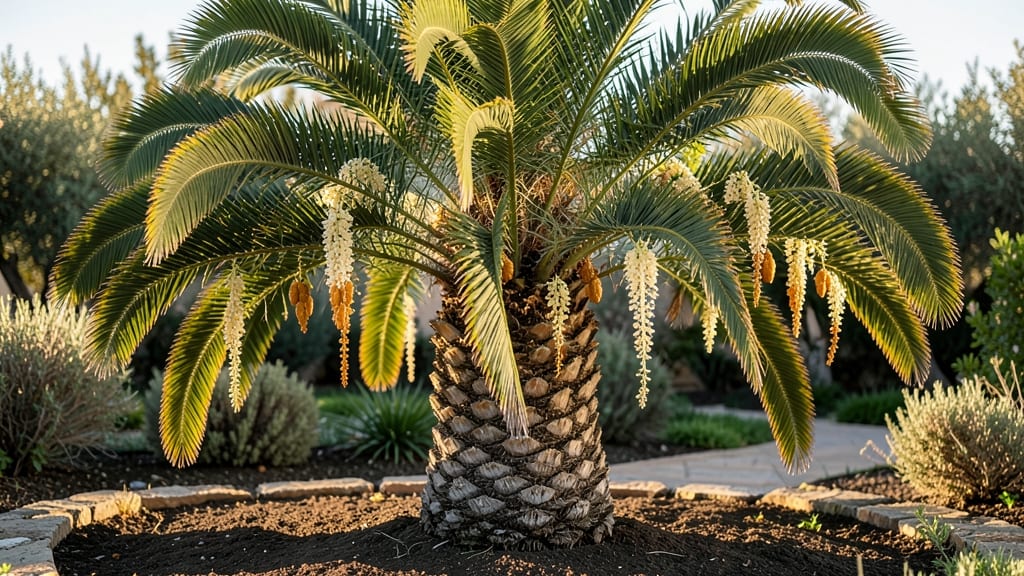
Palm trees grow to heights ranging from just how tall does a palm tree grow—from 8 feet to over 100 feet, depending on the species—so that tiny sapling you planted might become a backyard giant or stay a compact accent plant.
Picture this: a Pygmy Date Palm 🌴 barely brushing your shoulder while a Canary Island Date Palm stretches taller than your two-story home. The difference isn’t just in the trunk—it’s in the space they’ll need, the pruning demands, and even how much they cost to maintain.
Before you commit to a palm, you’ll want to know which varieties fit your yard’s size, your climate’s heat, and your patience for slow growers versus speedy climbers. Some palms mature in 10 years; others take 50.
Here’s how to match the right palm to your space—plus the fastest-growing picks if you’re eager to see height gains fast.

Palm tree height ranges: from dwarf to towering giants
Choosing a palm tree often comes down to one critical question: how tall will it grow? The answer varies dramatically—some varieties stay compact enough for urban patios, while others become architectural giants that dominate landscapes.
Understanding these height ranges helps you select the perfect palm for your space, whether you want a low-maintenance accent plant or a statement-making tropical centerpiece.
Palm trees grow at different rates based on species, climate, and care. A dwarf palm like the Pygmy Date Palm might reach just 8-10 feet, while a tropical giant like the Royal Palm can tower over 100 feet.
Even within the same genus, growth habits differ—some palms grow 3 feet per year, while others creep along at 6 inches annually. Let’s break down the spectrum so you can visualize which palms fit your yard’s scale.
🌱 Key Considerations: Always account for canopy spread (often 2-3x the height) and root depth (some palms have invasive roots). In USDA Zones 9b-11, most palms thrive year-round, but cooler microclimates may stunt growth. Now, let’s explore the height categories with real-world examples.
| Palm Variety | Mature Height | Growth Rate | Canopy Spread | Ideal Space |
|---|---|---|---|---|
| Pygmy Date Palm (Phoenix roebelenii) | 8–15 ft | 6–12 in/year | 6–10 ft wide | Containers, patios, small yards |
| Mediterranean Fan Palm (Chamaerops humilis) | 10–15 ft | 3–6 in/year | 8–12 ft wide | Urban gardens, Mediterranean climates |
| Dwarf Palmetto (Sabal minor) | 10–12 ft | 1–2 ft/year | 6–8 ft wide | Coastal landscapes, small spaces |
| Windmill Palm (Trachycarpus fortunei) | 15–25 ft | 2–3 ft/year | 10–15 ft wide | Suburban yards, cold-hardy zones |
| Canary Island Date Palm (Phoenix canariensis) | 30–50 ft | 3–5 ft/year | 15–25 ft wide | Large estates, parks, Mediterranean climates |
| Mexican Fan Palm (Washingtonia robusta) | 60–100 ft | 4–6 ft/year | 15–20 ft wide | Rural properties, desert landscapes |
| Royal Palm (Roystonea regia) | 70–100+ ft | 3–5 ft/year | 10–15 ft wide | Tropical resorts, large gardens |
| Coconut Palm (Cocos nucifera) | 60–100 ft | 5–7 ft/year | 15–25 ft wide | Beaches, coastal properties |
| Majesty Palm (Ravenea rivularis) | 20–30 ft | 1–2 ft/year | 10–15 ft wide | Indoor/outdoor transition zones |
| Sago Palm (Cycas revoluta) | 6–10 ft | 1–3 in/year | 4–6 ft wide | Containers, bonsai-style gardens |
📏 Height Comparison: A Pygmy Date Palm fits on a patio, while a Royal Palm rivals a 10-story building!
Notice how dwarf palms like the Pygmy Date Palm or Sago Palm stay under 15 feet, making them ideal for containers or small yards. These varieties grow slowly—perfect if you want a low-maintenance palm that won’t outgrow its space.
On the opposite end, giant palms like the Mexican Fan Palm or Coconut Palm demand wide-open spaces and can cast deep shade.
For suburban yards, semi-dwarf options like the Windmill Palm (15–25 feet) strike a balance. They grow 2–3 feet per year, so you’ll see noticeable height gains without waiting decades. If you’re in a cooler climate (Zone 9a
How space needs determine which palm trees suit your yard
Choosing the right palm tree for your yard isn’t just about aesthetics—it’s about long-term space planning. A 10-foot dwarf palm planted today could become a 30-foot giant in 20 years, blocking sunlight and crowding structures.
I’ve learned the hard way that root spread and canopy width matter just as much as height when selecting varieties.
For urban balconies or small patios, dwarf palms like the Pygmy Date Palm (max 10 feet) are perfect—they fit in 10-gallon containers and won’t outgrow their space.
In contrast, a California Fan Palm can reach 60 feet and needs 20 feet of clearance for its roots and fronds. Always measure your space before planting!
| Palm Type | Mature Height | Canopy Width | Root Spread | Best For |
|---|---|---|---|---|
| Pygmy Date Palm | 8–12 ft | 6–8 ft | 3–5 ft | Balconies, small yards |
| Mediterranean Fan Palm | 15–25 ft | 10–15 ft | 10–12 ft | Suburban yards, medium spaces |
| Canary Island Date Palm | 30–60 ft | 20–30 ft | 15–20 ft | Large yards, rural landscapes |
| Royal Palm | 50–100+ ft | 30–50 ft | 20–30 ft | Rural properties, parks |
If you’re working with a suburban yard, semi-dwarf varieties like the Mediterranean Fan Palm strike a balance—they add tropical flair without overwhelming your space.
These palms typically need 15 feet of clearance for their fronds and 10 feet of root spread, making them ideal for backyards with 500+ square feet of open area.
For rural landscapes, larger palms like the Canary Island Date Palm or Royal Palm make a statement—but only if you have the space. These giants can cast 50-foot-wide shadows and require 20+ feet of clearance from structures. Always check local HOA rules or property setbacks before planting towering varieties!
Pro tip: Container gardening is your best friend for small spaces. Even large palms like the Windmill Palm can thrive in 15-gallon pots for 3–5 years before needing transplanting. Just ensure your container has drainage holes and use well-draining soil to prevent root rot.
Remember, pruning can’t control height—it only shapes fronds. If a palm outgrows its space, the only solution is removal. Plan ahead by sketching your palm’s mature size onto your yard map before digging that first hole! 🌴