
How To
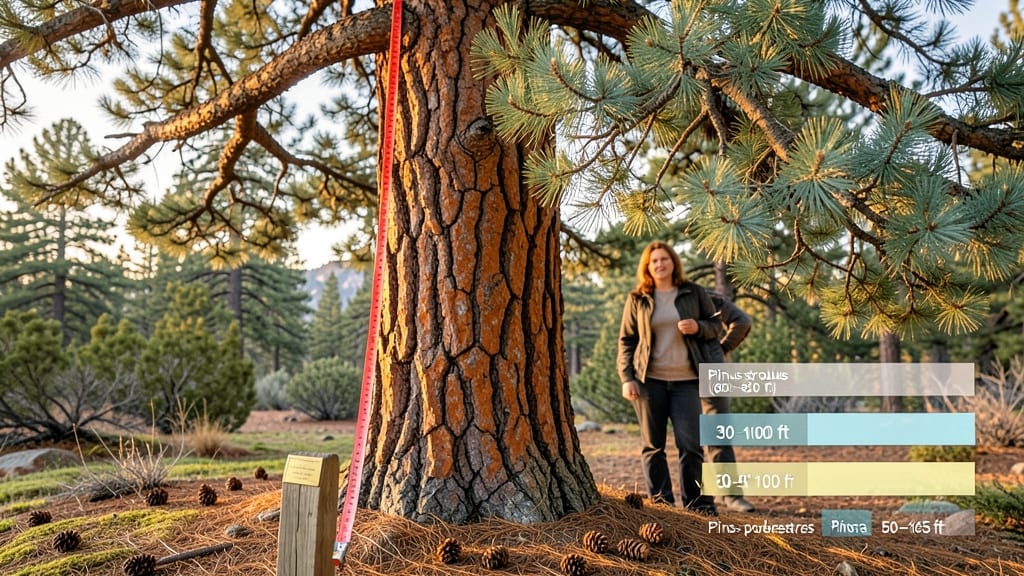
A pine tree’s growth can reach how tall does a pine tree grow—over 200 feet in ideal conditions—far taller than most buildings—but the species you choose makes all the difference.
If you’re dreaming of towering evergreens that add majesty to your landscape—or just curious about the sky-scraping potential of pine trees—you’ll be amazed by how fast some species grow and how high they can reach.
From the Ponderosa Pine, which can tower 165 feet in the wild, to the Bristlecone Pine, a slow-growing giant that lives for centuries, each variety has its own growth story.
In this guide, I’ll break down the fastest-growing species, how climate and soil affect height, and practical tips to help you pick the perfect pine for your space.

Fastest-growing Pine tree species and their maximum heights
If you're planning to add pine trees to your landscape, understanding their growth potential is key. Some species can reach staggering heights—over 200 feet—while others grow more modestly. The fastest-growing varieties not only add vertical drama but also thrive quickly, making them ideal for rapid landscape transformation.
Let’s explore the tallest pine species and how their growth rates compare.
Pine trees are divided into two main growth categories: fast-growing and slow-growing. Fast growers can add 2-3 feet per year in ideal conditions, while slower varieties may only gain 6-12 inches annually.
Climate, soil quality, and sunlight exposure all play critical roles in determining how tall a pine tree will grow. Coastal regions often see faster growth due to milder temperatures and higher humidity.
| Species | Max Height (ft) | Avg. Growth Rate (ft/year) | Ideal Climate |
|---|---|---|---|
| Sugar Pine | 200+ | 2-3 | Coastal, Mountainous |
| Ponderosa Pine | 180+ | 1.5-2.5 | Dry, Warm |
| Lodgepole Pine | 120+ | 2+ | Cold, Rocky |
| Eastern White Pine | 80+ | 1-2 | Temperate |
| Scots Pine | 100+ | 1.5-2 | Cool, Continental |
The Sugar Pine holds the record for the tallest pine species, often exceeding 200 feet in height. Native to California’s Sierra Nevada mountains, it thrives in cool, moist climates and can grow 2-3 feet per year under ideal conditions.
If you’re in a coastal or mountainous region, this species is a fantastic choice for dramatic vertical impact.
For faster growth in dry, warm climates, the Ponderosa Pine is an excellent option. It can reach 180 feet and grows 1.5-2.5 feet annually, making it one of the fastest-growing tall pines. Its thick bark and drought resistance also make it low-maintenance once established.
The Lodgepole Pine is another rapid grower, often found in cold, rocky regions like the Rocky Mountains. It can shoot up 2 feet per year and reach heights of 120+ feet. This species is hardy and adaptable, making it a great choice for northern climates where other pines struggle.
If you’re in a temperate climate and prefer a slightly slower but still impressive grower, the Eastern White Pine is a standout. It typically reaches 80 feet but grows 1-2 feet per year, offering a balanced approach for landscapes where space is a consideration.
Its soft needles and ornamental appeal make it a favorite for residential gardens.
The Scots Pine is a versatile choice for cool, continental climates, growing 1.5-2 feet annually and reaching 100 feet. It’s one of the most drought-tolerant pines, making it ideal for regions with limited rainfall. Its tapered shape and rugged appearance add texture to any landscape.
When planting fast-growing pine trees, always consider your local climate and soil type. Sandy soils may require additional organic matter to retain moisture, while clay soils benefit from amendments like compost. Ensure your pine tree gets full sun exposure—at least 6 hours daily—to maximize growth potential.
For urban or small-space gardens, consider dwarf varieties like the Mugo Pine, which maxes out at 8-15 feet. While not as tall, they grow 6-12 inches per year and offer the same evergreen beauty without overwhelming your yard.
Their compact size makes them perfect for landscaping borders or container gardening.
Remember, the height of a pine tree isn’t just about its species—proper care plays a huge role. Regular watering during establishment, annual pruning to remove dead branches, and mulching around the base can all boost growth.
With the right conditions, even slower-growing pines can reach impressive heights over time.
How to estimate Pine tree growth height based on age and location
Predicting how tall your pine tree will grow isn’t just about guessing—it’s a science! Understanding your tree’s age, species, and local growing conditions lets you estimate its future height with surprising accuracy.
For example, a Ponderosa Pine might reach 150 feet in ideal conditions, while a Mugo Pine stays compact at just 8 feet. Let’s break down the key factors that influence growth so you can plan your landscape with confidence.
Your pine tree’s height depends on three critical variables: age-based growth charts, soil quality and drainage, and sunlight exposure. Coastal regions often see faster growth due to higher humidity, while inland areas might stunt growth if soil lacks nutrients.
Even the USDA hardiness zone plays a role—some pines thrive in Zone 6, while others need Zone 8’s warmth. By combining these factors, you can create a realistic height estimate for your specific location.
- 1 Age Matters: Use species-specific growth charts—most pines grow 1-3 feet per year in early years, slowing to 6-12 inches annually as they mature. A 10-year-old Ponderosa Pine averages 30-50 feet.
- 2 Sunlight Boost: Full sun (6+ hours daily) accelerates growth by 30-50%. Coastal pines grow 10-20% faster than inland varieties due to higher humidity and moderate temperatures.
- 3 Soil Secrets: Well-draining, sandy-loam soil with pH 5.0-7.0 maximizes growth. Compacted or waterlogged soil can reduce height by up to 40%—critical for urban planters.
- 4 Climate Zones: Zone 6-7 pines (e.g., Scots Pine) grow 20% slower than Zone 8-9 varieties (e.g., Monterey Pine). Check your last frost date—early springs extend growing seasons.
-
5
Species Examples:
- Ponderosa Pine: 150-200 ft (fastest grower)
- Bristlecone Pine: 50-100 ft (slow, cold-adapted)
- Mugo Pine: 8-15 ft (dwarf, ideal for borders)
To estimate your pine’s future height, start with its species-specific growth rate. For instance, a Lodgepole Pine might hit 60 feet in 30 years in optimal conditions, while a White Pine could reach 80 feet in the same timeframe.
Adjust your estimate based on your local climate—coastal areas often see 10-15% taller trees due to milder winters and higher rainfall.
Don’t overlook soil testing before planting. Amending clay soil with sand and compost can boost growth by 25% or more. If your yard has poor drainage, consider raised beds or mounds to prevent root rot, which stunts height.
For urban gardens, container-grown pines (like Japanese Black Pine) stay manageable at 15-30 feet with proper root pruning.
Pro tip: Use online growth calculators (like those from the USDA Forest Service) to input your pine’s species, age, and location for a customized height projection. These tools account for microclimates—like a sunny south-facing slope—that can add extra feet of growth compared to shaded areas.
With these insights, you’ll know whether your dream pine will need tree-trimming services in 20 years—or just a ladder for holiday lights!