
Pruning
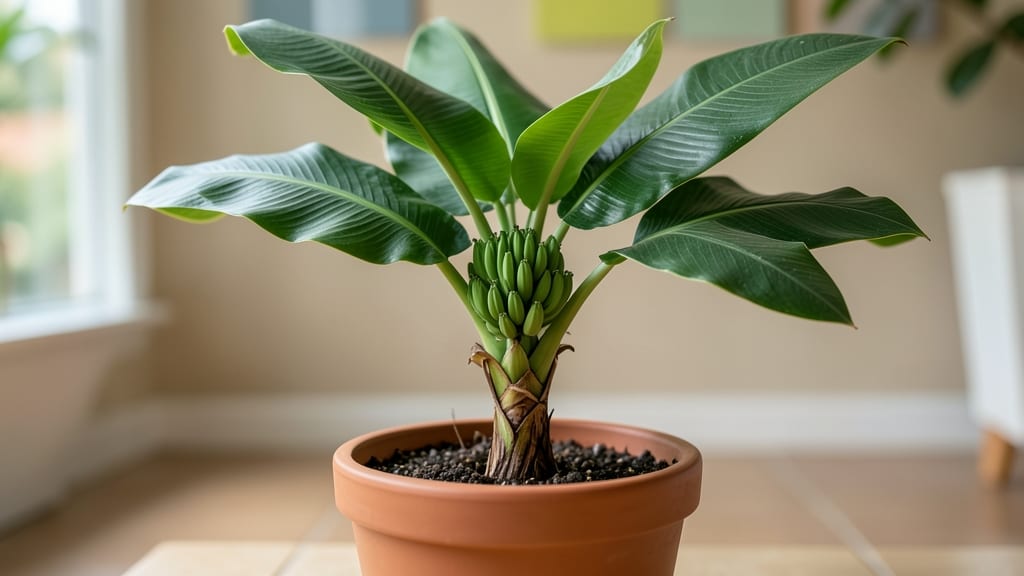
The height of your dwarf banana tree can stay under 6 feet tall—not the 20-foot giants you see in the tropics. 🌿 I’ve pruned mine for years, and the secret isn’t harsh cutting but timing, sunlight control, and a few clever tricks that keep it lush without letting it bolt upward.
The key is understanding its growth phases: rapid stem elongation happens when it’s happy, and that’s when you intervene. Too much shade? It stretches. Too much water? It grows fast. I’ve learned to read the leaves—yellowing means it’s either thirsty or overwatered, both of which push height growth.
With the right pruning schedule (once a year, right after flowering), you’ll keep it compact, bushy, and productive for years. The bananas stay sweet, the leaves stay manageable, and you avoid the headache of a towering plant that blocks your patio.
Works for both indoor pots and outdoor beds—just adjust watering and sunlight. Here’s how to keep it from outgrowing your space.
Root Causes of Stunted Growth
If your dwarf banana tree isn’t reaching its expected height, the issue likely stems from one—or a combination—of environmental, genetic, or cultural factors. Understanding these root causes is the first step to correcting the problem and encouraging healthier, more compact (or full-sized) growth.
Let’s break down the science behind why your banana tree might be staying short.
Not all banana trees are created equal! Dwarf banana varieties, such as Musa acuminata cultivars like ‘Dwarf Cavendish’ or ‘Lady Finger,’ are bred specifically for their compact stature—typically reaching 10–15 feet (vs. 20+ feet for standard types).
If you planted a dwarf cultivar, its height is genetically predetermined. However, even within dwarf varieties, poor genetics or hybrid inconsistencies can lead to even smaller or weaker growth.
- Actionable fix: Verify the cultivar name from your nursery or supplier. If you’re unsure, observe leaf size and fruit shape—dwarf bananas have smaller, broader leaves and proportionally tiny fruit compared to standard types.
- Pro tip: 🌡️ If your tree’s leaves are unusually narrow or pale, it might be a mislabeled hybrid (e.g., a mix with Musa balbisiana, which can stunt growth). In this case, consider replacing it with a certified dwarf variety.
Banana trees are light-hungry and thrive in full sun (6–8 hours daily). Insufficient light triggers a survival response: the plant diverts energy to leaf production (for photosynthesis) instead of vertical growth, resulting in a bushy but short stature.
📊 Signs of light deprivation:
- Leaves are small, dark green, or yellowing (chlorosis).
- Stems are thin and leggy (a sign of stretching toward light).
- Fewer or no flower spikes (banana trees need light to bloom).
In extreme cases, chronic shade can cause apical dominance failure, where the main stem stops growing entirely, and side shoots take over—creating a dense, low-lying clump.
Banana trees are heavy drinkers, but their growth stunts when water or nutrients are out of whack. Here’s how:
🔥 Overwatering or Poor Drainage
Root rot (Phytophthora or Fusarium infections) from soggy soil suffocates roots, preventing them from absorbing water and nutrients efficiently. The tree conserves energy by limiting height growth and focusing on leaf production.
- Signs: Yellowing leaves, mushy stems at the base, or a foul odor from the soil.
- Fix: Improve drainage with perlite or sand, and ensure pots have drainage holes. Water only when the top 2 inches of soil are dry.
🍽️ Nutrient Deficiencies (Especially Potassium & Magnesium)
Banana trees crave potassium (K) for stem strength and magnesium (Mg) for chlorophyll production. A deficiency in either leads to:
- Potassium deficiency: Weak stems, curled leaves, and stunted growth (🌱 Symptom: Brown edges on older leaves).
- Magnesium deficiency: Yellow patches between leaf veins (🌿 Symptom: Interveinal chlorosis).
💡 Pro tip: Test your soil’s pH (ideal: 5.5–7.0). Bananas prefer slightly acidic to neutral soil—if it’s too alkaline, nutrients like iron and manganese become unavailable, further stunting growth.
Banana trees are tropical and thrive in 70–85°F (21–29°C). Outside this range, they enter survival mode:
- Cold stress (<50°F / 10°C): Growth halts entirely, and leaves may turn black or wilt. The tree prioritizes protecting its core over height.
- Heat stress (>95°F / 35°C): While bananas tolerate heat, extreme conditions can cause transpiration stress, where the plant loses water faster than it can absorb it. This triggers a growth pause to conserve energy.
🌡️ Actionable fixes:
- Use shade cloth (30–50% coverage) in hot climates.
- In cold areas, grow in containers and move indoors or to a greenhouse below 50°F.
- Mulch the base with straw or wood chips to regulate soil temperature.
If your dwarf banana is in a pot, root-bound conditions are a top cause of stunted height. When roots circle the container or lack space, they:
- Compete for nutrients, weakening the plant’s ability to support vertical growth.
- Trigger apical dominance suppression, where side shoots grow more aggressively than the main stem.
- Cause nutrient recycling—the plant reabsorbs nutrients from old leaves instead of investing in new growth.
📏 Signs your tree is root-bound:
- Roots growing out of drainage holes.
- Soil drying out too quickly (roots can’t access moisture efficiently).
- A dense, tangled root ball when you gently remove the tree from the pot.
💡 Pro tip: Dwarf bananas need a minimum 15–20 gallon pot for mature growth. If repotting, choose a container 2–3 inches wider than the current one to avoid shocking the roots.
Now that you’ve pinpointed the likely culprits, the next step is corrective pruning and care to encourage your dwarf banana tree to reach its full (compact) potential. 🌿
Fixing Your Dwarf Banana’s Growth
Now that you understand why your dwarf banana tree might not be reaching its ideal height, let’s tackle the solutions—practical, actionable, and tailored to each common cause. Whether your plant is leggy, stunted, or just not thriving, these fixes will help you guide its growth the right way.
Problem: Roots competing for space stunt growth. Fix:
- 🔪 Gently remove the plant from its container (if potted) or dig around the base (if in-ground).
- 🌿 Trim 20-30% of the roots, focusing on thick, tangled ones. Use sterilized pruning shears.
- 🪴 Repot in fresh, well-draining soil with a slightly larger container (only 1-2 inches wider).
- 💧 Water lightly for 3-5 days to avoid root shock, then resume normal care.
Prevention Tip: ✨ Repot every 1-2 years or when roots circle the pot. Use containers with drainage holes to prevent waterlogging.
Problem: Weak, leggy growth from insufficient sunlight. Fix:
- 📏 Move your banana tree to a spot with 6+ hours of bright, indirect light daily (south or west-facing windows are ideal).
- 🌿 Rotate the pot weekly to ensure even growth and prevent leaning.
- 💡 Supplement with a grow light (12-14 hours/day) if natural light is limited.
Pro Tip: 🌡️ If leaves yellow or stretch excessively, it’s a sign of light deprivation. Banana trees thrive in warmth—keep temps above 60°F (15°C).
Problem: Waterlogged roots suffocate growth. Fix:
- 🧼 Check your soil’s moisture—stick your finger 2 inches deep. If damp, hold off on watering.
- 🪴 Repot in a mix of:
- 50% well-draining potting soil
- 30% perlite or pumice
- 20% coconut coir or orchid bark
- 🚰 Ensure the pot has drainage holes and elevate it to prevent soggy roots.
Prevention Tip: 💡 Water only when the top 1-2 inches of soil are dry. Banana trees hate "wet feet"!
Problem: Slow growth from lack of key nutrients. Fix:
- 📊 Use a balanced fertilizer (10-10-10 or 20-20-20) diluted to half-strength every 4-6 weeks during spring/summer.
- 🌿 Boost potassium and magnesium (banana trees love potassium!) with a banana peel tea (soak peels in water for 2 weeks, then use as fertilizer).
- 🌱 Add compost to the topsoil annually for organic nutrients.
Warning: ⚠️ Avoid over-fertilizing—this can burn roots. Always water before applying fertilizer.
Problem: Roots circling the pot restrict height. Fix:
- 🌿 Gently loosen roots before repotting to encourage outward growth.
- 🪴 Choose a pot only 2-3 inches wider than the current one (too much space = soggy soil).
- 🌱 Prune any yellow or damaged leaves to redirect energy to root and stem growth.
Pro Tip: 🎯 If your banana is in-ground, dig a trench around it to encourage root expansion without transplant shock.
Problem: Bugs or fungi stealing nutrients. Fix: 1. 🐜 Inspect for pests (spider mites, aphids, or scale). Wipe leaves with neem oil solution (1 tsp neem oil + 1 quart water).
- 🌿 Treat fungal issues (like leaf spot) with copper fungicide or baking soda spray (1 tsp baking soda + 1 quart water + a drop of dish soap).
- 🪴 Isolate affected plants to prevent spread.
Prevention Tip: 🔥 Keep your banana tree in humidity-loving conditions (50-70%) but avoid standing water to deter pests.
Problem: Natural slow growth or improper pruning. Fix:
- 🌿 Prune only when necessary—remove yellow, damaged, or overcrowded leaves to encourage new growth.
- 🔪 Cut back leggy stems by 1/3 to promote bushier, compact growth.
- 🌱 Wait for spring to prune—this is when banana trees naturally regrow.
Pro Tip: ✨ If your dwarf banana is mature but still short, harvesting suckers (side shoots) can redirect energy to the main stem.
| Issue | Quick Fix | Prevention |
|---|---|---|
| Leggy stems | Move to brighter light + prune | Rotate plant weekly |
| Stunted roots | Repot in fresh soil + trim roots | Repot every 1-2 years |
| Yellow leaves | Check water/drainage + fertilize | Water only when topsoil is dry |
| Pest/disease attack | Neem oil or fungicide spray | Monitor leaves regularly |
Remember: Dwarf banana trees grow at their own pace—patience and consistency are key! With the right care, your compact banana will thrive and reward you with lush, manageable foliage (and maybe even fruit!). 🍌✨
Frequently asked questions
How tall will my dwarf banana tree grow if I don’t prune it?
Even without pruning, most dwarf banana varieties like 'Dwarf Cavendish' or 'Lady Finger' typically reach 6–10 feet tall—about half the height of standard banana trees. However, they often develop multiple stems from the base, creating a bushy appearance that offsets their height. Pruning can help maintain a more compact shape while encouraging fruit production.
Can I keep a dwarf banana tree indoors year-round?
Yes, but it requires careful attention to light and temperature. Place it near a south- or west-facing window for at least 6 hours of sunlight daily, and supplement with a grow light if needed. Keep indoor temps between 65–85°F (18–29°C)—avoid drafts or cold windowsills, which can stunt growth. Humidity (50–70%) is also key for healthy leaves.
Why does my dwarf banana tree grow taller in summer but stay short in winter?
Banana trees are tropical and grow fastest in warm weather (70–85°F / 21–29°C). In winter, cooler temps (below 60°F / 15°C) trigger dormancy, slowing growth. The tree conserves energy for survival, which is why you’ll see less height increase. Move potted trees indoors or to a greenhouse in cold climates to maintain steady growth year-round.
How do I know if my dwarf banana is root-bound and needs repotting?
Check for these signs: roots growing out of drainage holes, soil drying out too quickly, or a dense, tangled root ball when you gently remove the plant. If you see these, it’s time to repot into a container 2–3 inches wider with fresh, well-draining soil. Repot every 1–2 years or when roots circle the pot to prevent stunted growth.
Will pruning my dwarf banana tree make it shorter permanently?
No—pruning doesn’t permanently reduce height, but it does encourage bushier, more compact growth by promoting side shoots. The key is timing: prune in early spring (after flowering) to redirect energy to lateral stems. Avoid heavy pruning in fall/winter, as the tree needs strength to survive cooler months.