
Pruning
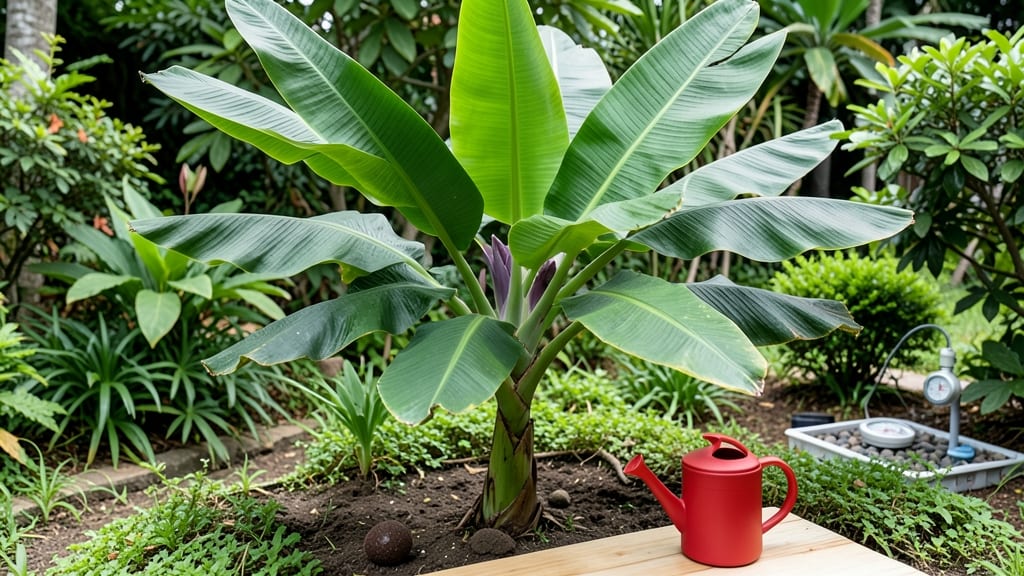
My care for a dwarf Cavendish banana tree thrives year-round with just three strategic trims—no tropical climate required. 🌿 I've grown these in containers for years, and the secret isn't fancy equipment but understanding how to mimic their natural growing cycle, even in cooler zones.
The key is matching their tropical needs: well-draining soil, bright indirect light, and consistent moisture without soggy roots. Most people overwater or under-prune, which leads to yellow leaves or stunted growth.
I'll show you how to avoid those pitfalls and keep your plant producing harvestable bananas (yes, even in pots!).
By the end, you'll have a lush, productive plant that blooms reliably and gives you homegrown fruit without the fuss. The trimming schedule alone makes all the difference—it's not complicated, just counterintuitive if you're used to traditional pruning.
Works for indoor growers, greenhouse setups, or outdoor subtropical zones. Let's get your banana tree looking like a tropical showstopper!
📚 In This Guide
- What you need
- Instructions
- Tips and common mistakes
- Wrapping up and next steps
What you need
- ● Dwarf Cavendish banana plant (potted or bare-root, from a reputable nursery).
- ● Well-draining potting mix (5–10 gallons, depending on pot size): 60% peat moss or coconut coir
- ● 20% perlite or pumice
- ● 20% compost or aged manure
- ● Pot with drainage holes (15–25 gallons for mature plants; 5–10 gallons for young plants).
- ● Pruning shears or sharp bypass pruners (sterilized with rubbing alcohol).
- ● Gloves (heavy-duty for thorny stems).
- ● Balanced fertilizer (10-10-10 or 20-20-20, diluted to half-strength).
- ● Mulch (straw or wood chips, 2–3 inches thick).
- ● Watering can or hose with a gentle spray nozzle.
- ● Support stakes or trellis (bamboo or metal, 6–8 feet tall).
- ● Slow-release fertilizer pellets (for convenience).
- ● Banana tree-specific fertilizer (high in potassium and magnesium).
- ● Epsom salt (1 tbsp/month for magnesium boosts).
- ● Compost tea or fish emulsion (for organic nutrient kicks).
- ● Thermometer/hygrometer (to monitor tropical conditions).
- ● Plant growth regulator (like Paclobutrazol, to control excessive flowering).
Instructions: cultivating your Dwarf Cavendish banana tree
Here's the method I've refined over years of growing these tropical beauties indoors—focused on the three essential trims that keep them productive and healthy.
🌱 Step 1: Establish Proper Light and Temperature Conditions
Position your Dwarf Cavendish banana tree in a location receiving bright, indirect light for 10-12 hours daily. A south-facing window works best, but supplement with a grow light if natural light falls short. The ideal temperature range is 70-85°F—any cooler than 65°F slows growth dramatically.
Watch for leaves that develop yellowing or brown tips—this signals either too much direct sun (scorch) or insufficient humidity. I keep my tree near a humidifier or place the pot on a tray of pebbles with water to maintain 50-60% humidity. Rotate the pot quarter-turn weekly so the tree grows evenly toward the light source.
☀️ Step 2: Water Deeply and Maintain Consistent Moisture
Water your banana tree when the top 2-3 inches of soil feel dry to touch. This typically occurs every 5-7 days, but adjust based on your home's climate and pot size. Use room-temperature water to avoid shocking the roots, and water until it drains freely from the bottom.
Dwarf Cavendish trees hate soggy soil—yellowing leaves or mushy stems indicate overwatering. I always check by lifting the pot; if it feels heavy with water, wait another day. For extra insurance, use a pot with drainage holes and elevate it on feet to prevent root rot from sitting water.
✂️ Step 3: Perform the First Trim After Flowering
When your banana tree produces its first flower stalk, allow it to fully bloom and fruit before taking action. Once fruiting completes, cut the stalk back to the main stem using sterilized pruners. This redirects the plant's energy toward leaf production and future growth cycles.
Here's the thing—don't rush this trim. Wait until the fruit is fully ripe and harvested before cutting. The plant needs this energy to recover. After trimming, feed with a balanced liquid fertilizer diluted to half-strength to support regrowth.
🌿 Step 4: Conduct Mid-Season Pruning for Bushier Growth
About 6-8 weeks after the first trim, examine the tree for any yellow or damaged leaves. Remove these at the base with clean pruners, making cuts at a 45-degree angle to prevent water pooling. This improves air circulation and reduces disease risk.
Look for new shoots emerging from the base—these are your future growth points. If you notice any leggy or weak stems, prune them back by one-third to encourage stronger branching. This is when your tree develops that lush, tropical appearance.
⏰ Step 5: Prepare for Winter Dormancy with Final Trimming
As temperatures drop below 65°F in winter, your banana tree will slow growth. This is when I perform the final trim of the year—cutting back any remaining dead or yellowed leaves. Focus on maintaining the tree's shape rather than aggressive pruning.
Reduce watering slightly during dormancy, allowing the top 3-4 inches of soil to dry more thoroughly between waterings. Keep the tree in its warmest location, ideally near a heat source but not in direct drafts. This careful adjustment ensures your banana tree survives winter ready to burst into growth come spring.
Tips & tricks for cultivating your Dwarf Cavendish banana tree
Real talk: These are the hard-earned lessons that'll save you from the heartbreak of watching your tropical beauty wither. The difference between a thriving banana tree and one that barely survives often comes down to these small but critical details.
Light Source Strategy: That 10-12 hours of bright, indirect light isn't just a suggestion—it's non-negotiable for your Dwarf Cavendish. If your south-facing window isn't cutting it (especially in winter), invest in a full-spectrum LED grow light placed 12-18 inches above the plant. I've seen trees in northern climates flourish with just 6 hours of natural light supplemented by a grow light on a timer. The key is replicating that tropical sunlight intensity without the harsh direct rays that scorch leaves.
Pruning Precision: When you're ready for that first post-flowering trim in Step 3, don't just hack away at the stalk. Make your cut cleanly at the base where the stalk meets the main stem, using sharp, sterilized pruners. The angle matters too—cut at a slight downward angle to prevent water from pooling on the cut surface, which could lead to rot. Pro tip: After trimming, wipe the cut area with a cotton ball dipped in rubbing alcohol to disinfect and prevent bacterial infections.
Seasonal Transition Tactics: The shift from active growth to winter dormancy in Step 5 is where most people go wrong. Don't just reduce watering—adjust your entire care routine. Move the pot closer to a heat source (like above the fridge) but keep it away from cold drafts. I've found that wrapping the pot in bubble wrap for the winter months helps maintain more consistent soil temperatures. And here's what nobody tells you: The tree's natural dormancy period is your chance to give it a good deep clean—wipe down all leaves with a damp cloth to remove dust that could block light absorption.
Soil Moisture Mastery: The "top 2-3 inches dry" rule in Step 2 is your golden standard, but there's an art to checking properly. Stick your finger in the soil—if it feels like a slightly damp sponge, that's perfect. If it's bone dry, water thoroughly. If it's still cold and clingy, wait another day. For extra insurance in winter, I place a moisture meter probe in the soil. It's worth the $10 investment to avoid the heartbreak of root rot from overwatering during dormancy.
Pro Tips for Dwarf Cavendish Banana Tree Care
- Real talk: These are the hard-earned lessons that'll save you from the heartbreak of watching your tropical beauty wither.
- Light Source Strategy: That 10-12 hours of bright, indirect light isn't just a suggestion—it's non-negotiable for your Dwarf Cavendish.
- Pruning Precision: When you're ready for that first post-flowering trim in Step 3, don't just hack away at the stalk.
Frequently asked questions
Got questions about keeping your Dwarf Cavendish banana tree happy and productive? You’re not alone! Here are some of the most common concerns—and their simple solutions.
How often should I trim my Dwarf Cavendish banana tree?
Trim your Dwarf Cavendish once a year (late winter/early spring) to encourage new growth. After harvesting, remove the old pseudostem (the "trunk") and any dead or yellowing leaves. Pro tip: Wait until the new suckers are at least 3 feet tall before cutting the parent plant—this ensures a smooth transition!
Can I grow a Dwarf Cavendish banana tree outdoors in cold climates?
Dwarf Cavendish banana trees are tropical plants and thrive in USDA zones 10–12. In colder areas, grow them in large containers and move them indoors (or to a greenhouse) when temperatures drop below 50°F (10°C). Use a heat mat or grow lights if needed—just keep them warm and bright!
Why aren’t my Dwarf Cavendish bananas ripening?
Bananas may fail to ripen due to lack of sunlight, cold drafts, or overwatering. Ensure your tree gets 6+ hours of direct sunlight daily and keep it in a warm, humid spot. If bananas stay green, try placing a paper bag over them for 2–3 days to speed up ripening (ethylene gas trick!).
What can I do with the old pseudostem after trimming?
Don’t toss it! The pseudostem is compost gold—chop it into small pieces and add it to your compost pile. It breaks down quickly and enriches soil with potassium. Bonus: Use the fibrous material as mulch around other plants to retain moisture.
How do I prevent pests like aphids or banana weevils from attacking my tree?
Keep your Dwarf Cavendish healthy with regular inspections! Spray leaves with neem oil (mixed with water) weekly to deter pests. For weevils, check the base of the pseudostem and remove any larvae manually. Prevention tip: Avoid overwatering—soggy soil attracts weevils.
Wrapping up and next steps
Caring for your Dwarf Cavendish banana tree is all about consistency—watering wisely, feeding it right, and mastering those three key trims to keep it lush and productive year-round. 🌱 With the right tools and a little patience, you’ll enjoy a bountiful harvest and a stunning tropical centerpiece for your garden or patio.
Ready to put your new skills into action? Grab your pruners and give your banana tree the love it deserves!
- Next step: Schedule your first trim—aim for early spring to kickstart growth and watch your tree flourish!