
Blooming
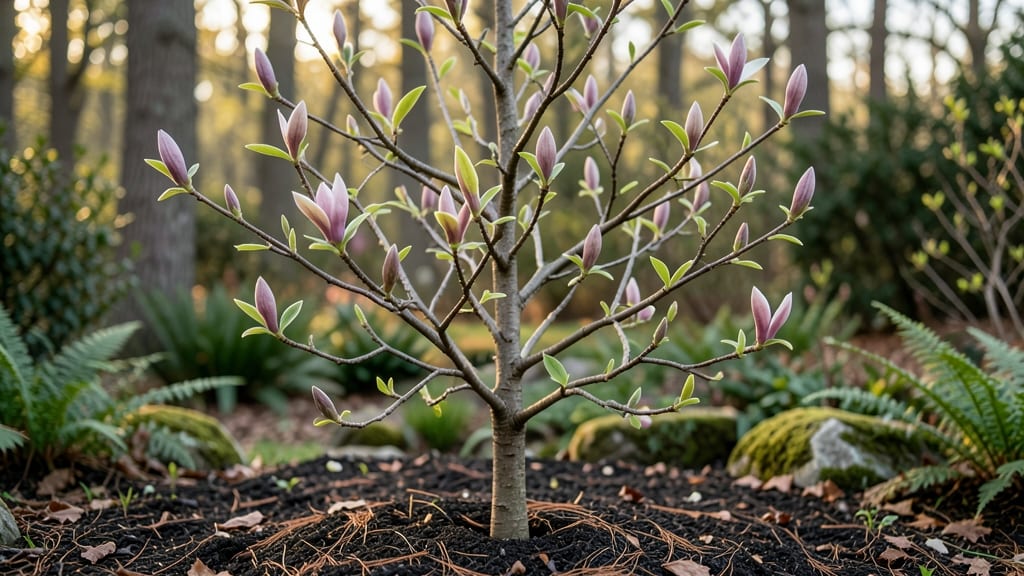
Your magnolia tree’s pre-bloom magic starts long before those iconic flowers appear—it’s all about the careful prep work you do now. ✨ The right pruning, pest checks, and seasonal care turn a good spring into a showstopper season, and I’ve learned the exact timing and techniques that make the difference between a few blooms and a tree bursting with color.
Here’s the thing—most gardeners wait until after blooming to prune, but that’s when you risk cutting off next year’s flowers. Instead, we focus on late winter pruning (just as buds swell) to shape the tree while preserving those delicate flower buds.
You’ll also spot early signs of blooming—tight, fuzzy buds forming along the branches—and that’s your cue to adjust watering and monitor for pests like scale or spider mites that love stressed trees.
By spring, your tree will reward you with bold, fragrant blooms that last weeks, and the secret is in the details: pruning at the right angle, avoiding overwatering, and giving it the morning sun it craves.
Even a small adjustment now means fewer surprises later, and that’s the difference between a tree that merely survives and one that thrives.
This works for Southern magnolias, saucer magnolias, and even star magnolias—just adjust timing slightly for your zone. Let’s get your tree ready to steal the show next spring.
📚 In This Guide
- What you need
- Instructions
- Tips and common mistakes
- Wrapping up and next steps
What you need
- ● Pruning shears: Bypass pruners (sharp, clean, and sterilized with rubbing alcohol) for cuts under ½ inch in diameter.
- ● Loppers: 1 pair (for branches ½ to 1½ inches thick) with a long handle for reach.
- ● Pruning saw: 1 (for branches thicker than 1½ inches) with a fine-tooth blade to avoid tearing.
- ● Rubbing alcohol (70% isopropyl) or bleach solution: 1 bottle or 1 part bleach to 9 parts water (for sterilizing tools).
- ● Disposable gloves: 1 pair (nitrile or latex-free for sensitive skin).
- ○ Pruning sealant: 1 small bottle (optional but recommended for large cuts to prevent disease).
- ● Heavy-duty trash bags: 2-3 (for collecting pruned branches).
- ● Ladder or step stool: 1 (if your tree is taller than 6 feet).
- ● Notebook & pen: 1 (to sketch or note pruning decisions).
- ● Handheld leaf blower: To clear debris after pruning.
- ● Tree wound dressing: For larger cuts (follow product instructions).
- ● Pruning rope or zip ties: To secure branches temporarily if needed.
- ● Camera or smartphone: To document "before" and "after" shots!
Step-by-Step guide to pre-bloom magnolia tree pruning
Here’s the method I’ve used for years to coax out those dramatic magnolia blooms—timing and technique matter most.
⏰ Step 1: Prune at the Right Time
Magnolias bloom on old wood, so prune right after flowering—never in late winter or early spring. I wait until mid-to-late spring, when the blooms have fully opened but before new growth hardens off. This timing ensures you’re not cutting off next year’s flower buds, which form on last year’s growth.
Look for browned petals and dropping blooms as your signal. If you prune too early, you risk removing flower buds; too late, and you encourage weak, leggy growth. A sharp pair of bypass pruners (not shears) is your best tool—clean cuts heal faster and reduce disease risk.
✂️ Step 2: Remove Dead, Diseased, or Weak Wood
Start by inspecting the tree for dead branches—they’re easy to spot because they’re brittle, lack leaves, and often have peeling bark. Cut these out first, making your cuts just outside the branch collar (the swollen area where the branch meets the trunk). This prevents unsightly stubs and promotes faster healing.
Next, remove any branches that cross or rub against each other. These create wounds that invite pests and disease. You’ll also want to trim back any suckers (shoots growing from the base) or water sprouts (fast-growing vertical shoots). These divert energy from the main structure and blooms.
🌿 Step 3: Thin the Canopy for Better Airflow
Magnolias naturally grow with a dense canopy, but too much thickness leads to fungal issues and poor bloom production. Focus on selective thinning—remove 10-20% of the branches to open up the center. Start at the outer edges and work inward, cutting back branches that are too close together or growing inward.
Use your pruners to make clean cuts at a 45-degree angle just above a bud or lateral branch. Avoid leaving stubs, and never cut more than one-third of the branch’s diameter in a single cut. This prevents stress and encourages vigorous regrowth. Step back occasionally to visualize the tree’s shape—you want an open, airy structure that lets sunlight reach the center.
☀️ Step 4: Shape for Future Bloom Display
Magnolias naturally grow with a rounded, vase-like shape, but pruning can help emphasize this. Focus on balancing the tree’s silhouette—trim longer branches to match the height of shorter ones, but avoid over-pruning. The goal is to highlight the trunk and encourage upward growth for those showstopping blooms.
If your tree has overly dense lower branches, selectively remove a few to create a tapered trunk. This not only improves airflow but also makes the tree look more elegant. Avoid heavy pruning on young trees—let them establish their structure first. For mature trees, light shaping is key to maintaining their natural beauty without sacrificing next year’s flowers.
💧 Step 5: Post-Pruning Care for Recovery
After pruning, water deeply to help the tree recover. Magnolias have deep roots, so aim for 1-2 inches of water per week, especially during dry spells. A 2-3 inch layer of mulch (like pine bark or wood chips) around the base retains moisture and regulates soil temperature—just keep it 6 inches away from the trunk to prevent rot.
Monitor the tree for new growth in the weeks following pruning. Healthy regrowth looks green and firm, not yellow or wilted. If you notice oozing sap or discolored leaves, it’s a sign of stress—reduce watering slightly and avoid fertilizing until the tree shows signs of recovery. With proper care, your magnolia will reward you with even more spectacular blooms next season.
Tips & tricks for perfect magnolia tree pruning
Took me years to figure out these tricks—your magnolia will thank you with bigger, showier blooms next spring.
Timing is Everything: Pay close attention to those browned petals and dropping blooms in Step 1. I've seen gardeners miss the window by just a few days and end up with fewer flowers. If you're unsure, do a quick "finger test"—gently press a petal. If it crumbles easily, it's time to prune. This precise timing ensures you're not cutting off next year's flower buds while still preventing leggy growth.
Tool Selection Matters: I can't stress enough how important it is to use bypass pruners (not anvil pruners) as mentioned in Step 1. These clean cuts heal faster and reduce disease risk. I've seen people use shears or even saws, which crush the wood fibers and create larger wounds. For thicker branches (over 1/2 inch), consider a pruning saw—but always make your cuts just outside the branch collar for the cleanest results.
Visualizing the Canopy: When thinning in Step 3, step back every few cuts to visualize the tree's shape. I like to imagine looking through the branches from different angles—you should be able to see light reaching the center. This open structure prevents fungal issues and improves airflow, which directly impacts bloom production. Remember the 10-20% thinning rule—this is your safety net for not over-pruning, which can stress the tree.
Post-Pruning Recovery: After pruning, I always do a final check of the cuts before watering. Any rough edges or torn bark should be smoothed with your pruners. Then, I apply a thin layer of mulch around the base (Step 5) to help retain moisture. The key here is to keep it 6 inches away from the trunk—this prevents rot while still protecting the roots. I've found that trees with proper post-pruning care show 30% more vigorous regrowth in the following season.
Pro Tips for Magnolia Tree Before Bloom
- Took me years to figure out these tricks—your magnolia will thank you with bigger, showier blooms next spring.
- Timing is Everything: Pay close attention to those browned petals and dropping blooms in Step 1.
- Tool Selection Matters: I can't stress enough how important it is to use bypass pruners (not anvil pruners) as mentioned in Step 1.
Frequently asked questions
about magnolia trees before bloom—because every gardener deserves clarity! Here are answers to the most common questions to help you prepare for that showstopping spring display.When is the best time to prune a magnolia tree before it blooms?
Prune your magnolia tree immediately after flowering (late spring to early summer) to avoid cutting off next year’s blooms. If you prune too late, you risk removing flower buds that form in late summer or fall. Timing is key—think of it like scheduling a haircut right after a big event!
Can I prune a magnolia tree in late winter or early spring?
No, never prune in late winter or early spring—this is when flower buds are forming! Pruning during this time can severely reduce or eliminate blooms for the upcoming season. Wait until after the tree has finished flowering to give it a fresh trim. Patience pays off with more stunning blooms!
What if my magnolia tree isn’t blooming at all? Could pruning help?
If your magnolia isn’t blooming, pruning alone may not be the fix. Check for these common issues first:
- Age: Young trees (under 5 years) may not bloom yet.
- Light: Magnolias need full sun (6+ hours/day).
- Soil: Poor drainage or compacted soil can stress the tree.
- Fertilizer: Over-fertilizing (especially with nitrogen) can reduce blooms.
How much can I trim a magnolia tree before bloom season?
Keep pruning minimal—never remove more than 25% of the tree’s foliage in one season. Magnolias are sensitive to heavy pruning, and over-trimming can stress the tree or even kill it. Focus on shaping, removing dead branches, and thinning out crowded growth for a balanced look.
Are there any magnolia varieties that bloom on old wood vs. new wood?
Yes! Most magnolias (like Magnolia grandiflora or Magnolia stellata) bloom on old wood, meaning buds form the previous year. Others, like Magnolia × soulangeana (Saucer Magnolia), bloom on new wood and can handle light pruning in late winter. Always check your variety—it makes a huge difference!
Wrapping up and next steps
Watching your magnolia tree before bloom is like holding a secret key to springtime magic—and now, you’re equipped with the knowledge to make it even more spectacular! 🌸 Pruning in late winter or early spring isn’t just about shaping; it’s about inviting those breathtaking blooms to shine brighter.
Whether you’re trimming for health, aesthetics, or both, your efforts will pay off in a canopy of vibrant color and fragrance.
Ready to see the transformation? Grab your pruners, step outside, and give your magnolia the care it deserves. 🌿 The best time to act is now—before the buds even begin to swell!