
How To
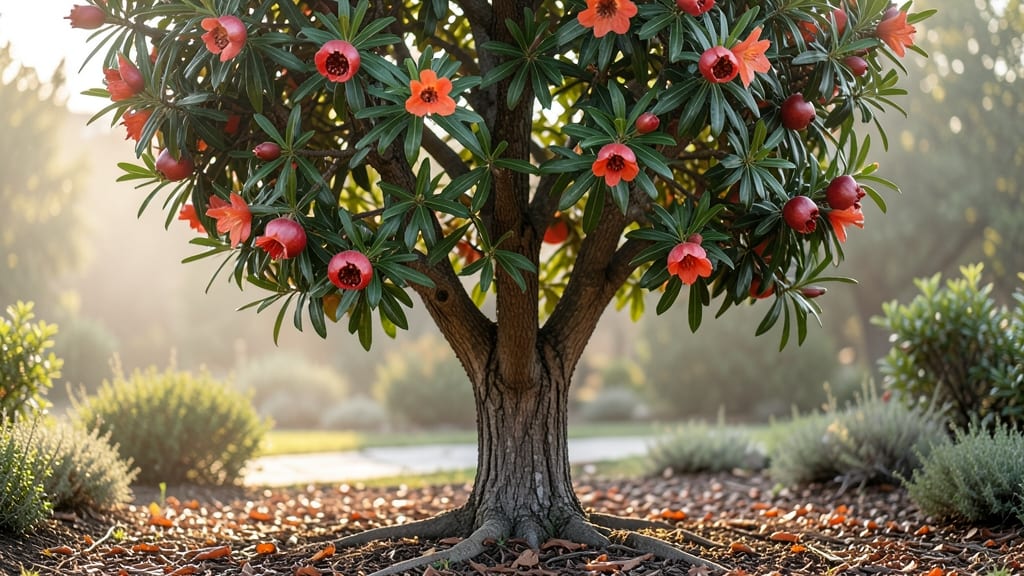
A pomegranate tree grows anywhere from 6 to 30 feet tall, depending on the variety and how you care for it—so if you’re planning your garden layout, size matters more than you might think.
Imagine planting a 15-foot tree in your backyard, only to realize it’s now blocking your patio or shading your pool. Or picture a dwarf variety thriving in a container on your balcony, its 3-foot branches heavy with fruit.
The difference isn’t just in aesthetics; it’s about space, sunlight access, and even how much pruning you’ll need to manage.
Some pomegranates stay small and bushy, perfect for urban gardens or small yards, while others grow into tall, spreading trees that need room to stretch their limbs.
Below, I’ll break down the height ranges by variety, the factors that push a tree toward the sky or keep it compact, and the pruning tricks that let you control its size—whether you want a tall specimen or a manageable shrub.
You’ll also discover how climate, soil, and even container growing can influence height, plus the spacing rules to avoid crowded roots and unhappy fruit. Let’s get started.

Pomegranate tree height by variety: smallest to tallest mature sizes
Choosing the right pomegranate variety is key if you want a compact tree for containers or a tall specimen for your landscape. Heights range from 3-foot dwarf varieties to 25-foot giants, so let’s explore the best options for your space.
Whether you’re growing in USDA Zones 7-11 or need cold-hardy varieties, there’s a perfect fit.
For small-space gardens, dwarf varieties like ‘Wonderful’ or ‘Eversweet’ stay under 8 feet tall, while standard shrubs like ‘Ganesh’ reach 12 feet. If you’re aiming for a statement tree, varieties like ‘Sweetheart’ can grow up to 25 feet in ideal conditions.
Let’s break down the best options for your needs.
🌱
If you’re growing in containers, opt for dwarf varieties like ‘Eversweet’, which max out at 5–7 feet. These thrive in 15-gallon pots with well-draining soil and full sun exposure.
For larger yards, ‘Ganesh’ or ‘Sweetheart’ offer a balance of height and productivity, producing abundant fruit while staying manageable.
For cold climates (USDA Zones 6
How to control pomegranate tree height through pruning and training
Pruning your pomegranate tree isn’t just about shaping—it’s the key to managing its height and fruit production. Without proper pruning, even dwarf varieties can grow unruly, while tall trees may become unmanageable.
The good news? With the right techniques, you can train your tree to stay at your desired height, whether that’s a compact topiary shape or a neatly espaliered wall feature.
Timing is everything when it comes to pruning. The best time to prune pomegranate trees is late winter or early spring, just before new growth begins. This ensures you’re not removing buds that could support flowering and fruiting.
Avoid heavy pruning in fall, as it can stimulate new growth that won’t harden off before winter, leaving your tree vulnerable to cold damage.
Here’s how to control your pomegranate tree’s height using proven pruning and training methods:
Decide whether you want a compact bush, a tall standard tree, or a wall-trained espalier. Dwarf varieties like 'Eversweet' stay under 6 feet, while standard types can reach 15–25 feet without pruning.
Remove suckers and watersprouts (fast-growing vertical shoots) to redirect energy to your desired branches. Cut back overlapping branches to improve airflow and reduce disease risk.
Select 3–5 main branches to form the tree’s skeleton. Remove weaker branches growing inward to prevent a dense, unmanageable canopy.
For espalier training, tie branches horizontally to a trellis or wall. For topiary shapes, prune evenly to maintain a rounded or boxed form. Use soft ties to guide young branches.
Lightly prune in summer after harvest to remove dead or diseased wood and open the canopy for sunlight. Avoid heavy cuts, as pomegranates fruit on current season’s growth.
Monitor growth throughout the year. Trim wayward shoots in spring and summer to keep the tree shaped and productive. Mulch around the base to encourage strong root growth.
If you’re growing a pomegranate in a container, pruning is even more critical to prevent root-bound stress. Use dwarfing rootstock for potted trees and prune regularly to keep the height under 5–6 feet.
Remember, pomegranates are drought-tolerant, but they respond well to pruning by producing more vigorous, fruit-bearing branches.
With consistent pruning, your pomegranate tree will stay at your ideal height while rewarding you with abundant fruit. Start small, and don’t be afraid to experiment with shapes—whether it’s a classic topiary ball or a modern espalier design, the possibilities are endless. 🪴