
Propagation
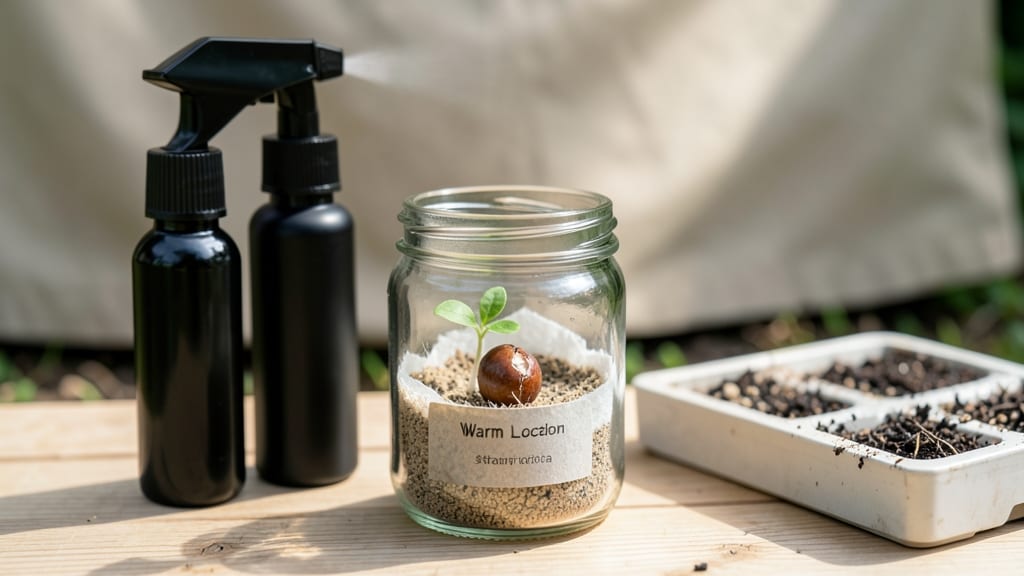
Germinating a peach tree seed takes patience, but the payoff is worth it—imagine the first green shoot breaking through soil after months of waiting. 🌱 The secret lies in cold stratification, a natural process that mimics winter conditions and tricks the seed into thinking it's time to grow.
Most peach seeds won't sprout without this step, and even then, germination rates hover around 20-30%, so don't expect miracles. You'll need a fresh peach pit (not store-bought), a damp paper towel, a plastic bag, and a refrigerator.
The process starts by carefully extracting the seed, cleaning it, and then placing it between damp paper towels in the bag. Store it in the fridge for 4-6 weeks, checking occasionally to keep the towel moist but not soggy.
When you finally plant the stratified seed in well-draining soil, about 1 inch deep, keep it consistently moist and warm. Germination can take 2-6 weeks, with some seeds taking months to show signs of life.
The key is consistency—too much water drowns the seed, while too little stops it cold. This method works best in early spring, but you can start anytime. Just be prepared for a long wait, and don't be discouraged if not every seed makes it.
Even one successful sprout is a victory worth celebrating!
📚 In This Guide
- What you need
- Instructions
- Tips and common mistakes
- Wrapping up and next steps
What you need
- ● Fresh peach pit (seed): Extract it from a ripe, organic peach (avoid store-bought peaches treated with chemicals). 1 pit per attempt.
- ● Paper towel or coffee filter: 2-3 sheets (unbleached and seed-safe).
- ● Plastic zip-top bag: A quart-sized bag with a sealable closure.
- ● Water spray bottle: With a fine mist setting (or a clean spray bottle).
- ● Refrigerator: A standard fridge with a crisper drawer (for cold stratification).
- ● Small pot or container: 4-6 inches in diameter with drainage holes (e.g., nursery pot).
- ● Well-draining potting mix: A blend of 50% peat moss or coconut coir and 50% perlite or coarse sand (sterilized). About 2-3 cups per pot.
- ○ Plastic wrap or clear dome: To create a humidity tent (optional but helpful for early stages).
- ○ Heat mat (optional but recommended): A seedling heat mat set to 70-75°F (21-24°C) to speed up germination.
- ● Grow lights: LED or fluorescent lights for 12-16 hours/day once sprouts emerge.
- ● Fertilizer: A balanced, water-soluble fertilizer (5-5-5 or 10-10-10) diluted to half-strength for young seedlings.
- ● Label markers: To track planting dates and seed varieties.
- ● Humidity tray: A shallow tray with pebbles and water to maintain moisture levels.
- ● Pruning shears: Small, sharp shears for trimming future seedlings (if needed).
Step-by-step instructions for germinating a peach tree seed
Cold stratification is the secret to breaking dormancy—here's how to coax a peach pit into sprouting.
🌱 Step 1: Extract and Prepare the Seed
Start with a fully ripe peach—green or underripe pits won't germinate. Cut the fruit open and remove the large, flat seed inside. Rinse it thoroughly under cool water to remove all fruit residue, then let it dry completely for 24 hours on a paper towel. This prevents mold, which will rot the seed before it even starts.
Here's the thing—peach seeds have a hard outer shell. To speed up germination, I gently score the seed's flat side with a sharp knife (just enough to break the surface, not cut through). This tiny nick lets moisture penetrate faster. Don't worry—it won't harm the seed, just gives it a helping hand.
💧 Step 2: Cold Stratify for 8-12 Weeks
Place the prepared seed in a sealed plastic bag with a damp paper towel. The towel should feel like a wrung-out sponge—not dripping, but consistently moist. Seal the bag and refrigerate it for 8-12 weeks. This mimics winter's natural dormancy period, breaking the seed's internal dormancy cycle.
Check the seed every 2 weeks—if the paper towel dries out, mist it lightly with water. You'll know stratification is working when the seed's pointy end starts to swell slightly. This is your signal that the seed is ready to grow, but it's not time to plant yet. Patience here is key—rushing this step often leads to weak, leggy seedlings.
☀️ Step 3: Plant After Stratification
Fill a small pot (about 4-6 inches deep) with well-draining potting mix. Plant the seed 1 inch deep with the pointed end facing up. Press the soil gently around it, but don't pack it down too firmly. Water lightly until the soil feels evenly moist—like a damp sponge.
Place the pot in a warm spot (around 70-75°F) with bright, indirect light. A sunny windowsill works, but avoid direct midday sun, which can overheat the soil. You'll see the first signs of germination in 2-4 weeks—tiny white roots pushing through the soil first, followed by a shoot breaking the surface.
🌿 Step 4: Care for the Seedling
Once the seedling emerges, move it to a location with 6+ hours of sunlight daily. Keep the soil consistently moist but never soggy—water when the top inch feels dry to the touch. Peach tree seedlings are delicate, so avoid disturbing the roots. If the seedling grows too tall and leggy, it needs more light.
Here's where it gets fun—watch the first true leaves appear (they'll look different from the initial seed leaves). This is your cue to start fertilizing lightly with a diluted houseplant fertilizer every 4-6 weeks. The seedling will grow slowly at first, but with patience, you'll have a sturdy young tree ready for transplanting in 1-2 years.
Tips & tricks for germinating a peach tree seed
Between us, this is where patience meets science—and a few clever tricks make all the difference. The secret to success lies in understanding what your peach pit needs to break free from its natural dormancy.
Seed Preparation: That 24-hour drying period isn't just about preventing mold—it's also letting the seed's natural oils stabilize. I've found that placing the seed on a wire rack over a paper towel speeds up evaporation while keeping it off damp surfaces. And here's what nobody tells you—if your seed feels slimy after rinsing, give it another 12-hour dry before scoring. The goal is a seed that's bone-dry on the outside but still viable inside.
Cold Stratification Strategy: The 8-12 week refrigerator period is non-negotiable, but how you set it up matters. I use a clear plastic bag so I can check progress without disturbing the seed. Pro tip: Place the bag on a shelf where the temperature stays consistently between 35-40°F—most refrigerators' crisper drawers hit this sweet spot. If you're impatient (I was), resist the urge to peek more than every 2 weeks—each time you open the bag, you risk introducing warm air that can shock the seed.
Planting with Purpose: When you're ready to plant after stratification, don't just eyeball the 1-inch depth. Use a pencil to mark your pot at exactly 1 inch deep, then plant with the pointed end up. The soil should feel like a damp sponge—if you squeeze it and water beads form, it's too wet. Too dry? Add a tiny bit more water and mix it in. This balance is crucial because peach seedlings hate soggy roots but also can't handle dry spells once they sprout.
Pro Tips for Germinate A Peach Tree Seed
- Between us, this is where patience meets science—and a few clever tricks make all the difference. The secret to succe...
- Seed Preparation: That 24-hour drying period isn't just about preventing mold—it's also letting the seed's natural oi...
- Cold Stratification Strategy: The 8-12 week refrigerator period is non-negotiable, but how you set it up matters. I u...
Frequently asked questions
about germinating a peach tree seed—because even the best plans hit snags! Here’s what you really need to know before diving in.How long does cold stratification take for a peach seed?
Cold stratification typically requires 6–12 weeks in the fridge (or buried outdoors in winter). Peach seeds are slow to break dormancy, so patience is key! Monitor moisture—if the paper towel dries out, rewet it slightly. No need to rush; consistency is more important than speed.
Can I speed up germination without cold stratification?
While possible, it’s not recommended for peach seeds. Skipping stratification may result in weak, uneven germination or no sprouts at all. If you’re impatient, try soaking the seed in warm water for 24 hours before stratification—this can kickstart the process slightly. But still, plan for at least 4–6 weeks of cold treatment.
What if my peach seed sprouts but the seedling looks weak or leggy?
Leggy seedlings happen when they stretch toward light (usually a window) but lack strength. Move it to a sunny spot immediately (a grow light works too) and ensure it’s in well-draining soil. If the stem is too thin, stake it gently to prevent snapping. Overwatering can also weaken roots—let the top inch of soil dry out between waterings.
Will a peach tree grown from seed actually produce fruit?
Probably not—and that’s okay! Seed-grown peach trees often take 5–10 years to fruit (if they do at all), and the fruit may not resemble the parent tree. For reliable peaches, grafting is the gold standard. But if you’re growing for fun or shade, enjoy the journey! Many gardeners start with seeds just to watch the tree grow.
My peach seed won’t sprout—what’s going wrong?
Common culprits:
- Improper stratification: Too warm (above 40°F) or too dry?
- Old or dead seed: Peach seeds lose viability quickly—use fresh ones!
- Fungal issues: If mold appears, toss the seed and start fresh with sterile materials.
Wrapping up and next steps
Germinating a peach tree seed is a rewarding journey that blends patience with the joy of nurturing life from scratch! By mastering the cold stratification trick—stratifying, sowing, and caring for your seed—you’re not just growing a plant; you’re cultivating a future tree with roots in tradition and resilience. 🌱✨
Now that you’ve got the know-how, roll up your sleeves and give it a try! Start with just one seed, follow the steps, and watch nature work its magic.
Once your seedling is thriving, consider transplanting it into a pot or garden bed—your next step toward a bountiful peach harvest. Happy growing! 🌳💚