
Propagation
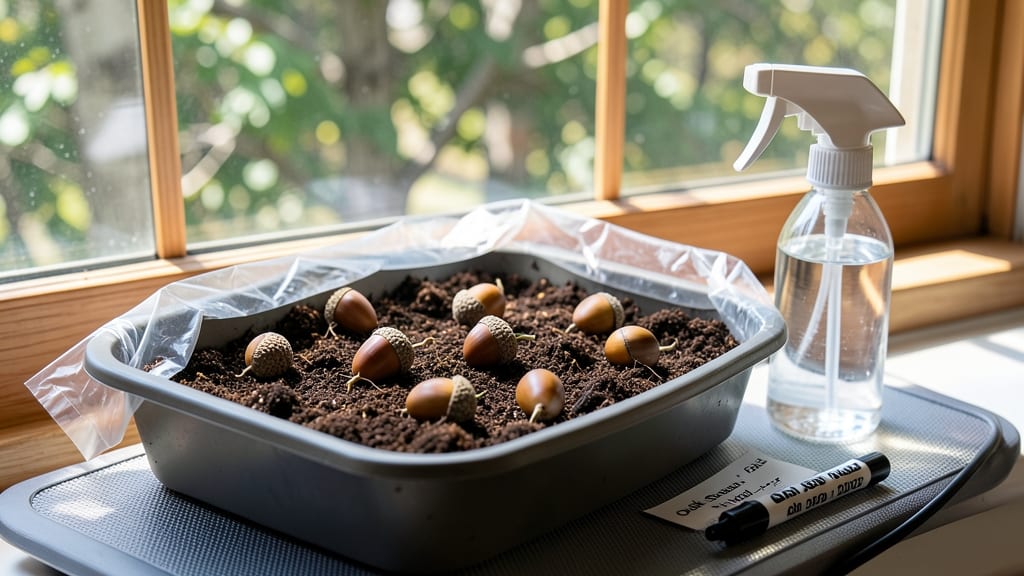
Germinating oak tree seeds feels like unlocking a future forest—if you nail the cold stratification trick. 🌱 I've struggled with stubborn acorns that refused to sprout until I learned this secret: oak seeds need 60-90 days of winter-like conditions to break dormancy.
Without it, they'll just sit there, taunting you with their hard shells. The process starts with collecting fresh acorns (avoid wormy ones!) and giving their shells a light sandpaper rub to mimic natural wear.
Then it's all about patience: layer them in damp sand or peat moss, refrigerate them, and wait. Most gardeners quit here—don't be one of them. The payoff comes when those first pale roots appear, signaling it's time to plant them outdoors in well-drained soil.
You'll watch tiny seedlings emerge in spring, but growth is slow—think years before they're tree-sized. The key is keeping them moist but not soggy, and protecting them from deer or rabbits that see them as snacks. Every stage teaches you why oak trees are nature's patience test.
This method works for red, white, or pin oak varieties, though timing varies slightly by species. The real magic happens when you realize you're growing a tree that could outlive you—and that's a garden legacy worth the wait.
📚 In This Guide
- What you need
- Instructions
- Tips and common mistakes
- Wrapping up and next steps
What you need
- ● Fresh oak acorns: Collect at least 20-30 acorns (more = better odds of success). Ensure they’re plump, heavy, and free of cracks or mold—these are your best bets!
- ○ Cold stratification setup: Moistened peat moss, perlite, or vermiculite: Fill a ziplock bag or small container (about 2 cups) with sterilized medium (optional: mix 50/50 peat moss + perlite for drainage).
- ● Plastic bag or airtight container: A quart-sized ziplock bag or a seedling tray with lid works perfectly.
- ● Refrigeration: A standard fridge (34–40°F / 1–4°C) with a crisper drawer (high humidity = ideal!).
- ● Planting pots or trays: 2–3 inch pots or a seedling tray with drainage holes (use a well-draining potting mix like 50% peat moss + 50% perlite).
- ● Spray bottle: For gentle misting (avoid soaking!).
- ○ Heat mat (optional but helpful): A seedling heat mat (70–75°F / 21–24°C) speeds up germination after stratification.
- ● Timing: Start in late fall or early winter (4–6 weeks before your last frost date) for spring germination.
- ● Acorn prep: Do NOT remove the caps—leave them on to protect the seed!
- ○ Sterilization (optional but recommended): Lightly rinse acorns in 1 part hydrogen peroxide + 9 parts water for 10 mins to prevent mold.
- ● Patience: Oak seeds can take 2–4 months to germinate—stay consistent!
Step-by-Step instructions for germinating oak tree seeds
Oak seeds need patience and the right conditions—here's how to break dormancy and coax those stubborn acorns into seedlings.
🌱 Step 1: Collect and Prepare Fresh Acorns
Gather acorns in fall when they've fallen naturally—they should be plump and free of holes or cracks. Remove any that feel soft or show signs of insect damage. I like to store them in a breathable cloth bag in the fridge until I'm ready to start, usually within a few weeks. Freshness matters because older acorns lose viability faster.
Before stratification, soak the acorns in warm water for 24 hours to soften the outer shell. This step is crucial—it kickstarts moisture absorption and helps break the seed's natural dormancy. After soaking, drain them well and let them air-dry slightly on a paper towel for 1 hour. You'll notice the shells feel slightly softer and the seeds heavier.
❄️ Step 2: Perform Cold Stratification for 3 Months
Place the soaked acorns in a sealed plastic bag with a small amount of damp sphagnum moss or peat moss—just enough to keep them lightly moist but not soggy. I use a quart-sized bag and add about 1 cup of moss per 10 acorns. The moisture level should feel like a wrung-out sponge.
Store the bag in your refrigerator's crispier drawer (around 35-40°F) for 90 days. This mimics winter conditions and tricks the seed into thinking it's time to germinate. Check the bag every 2 weeks—if the moss feels dry, mist it lightly with water. Overwatering here leads to mold, which will ruin your seeds overnight.
🌱 Step 3: Plant Stratified Acorns in Growing Medium
After stratification, plant each acorn 1 inch deep in a 4-inch pot filled with a mix of 50% potting soil and 50% perlite. The perlite prevents compaction and improves drainage—critical for young oak roots. Space each acorn 2 inches apart if planting multiple in one container.
Water gently until moisture seeps from the drainage holes, then place the pots in a warm, bright location (around 70°F). Avoid direct sunlight at first—the seedlings are delicate. You'll see the first signs of germination in 4-8 weeks, when a small root emerges followed by a tiny shoot. Patience is key here—don't disturb the soil or move the pots until you see clear growth.
☀️ Step 4: Provide Optimal Light and Care for Seedlings
Once sprouts appear, move the pots to a sunny window or under grow lights for 12-14 hours daily. Oak seedlings need strong light to develop sturdy stems. You'll know they're getting enough light when the leaves are dark green and compact—not pale or stretched. If leaves look leggy, your light source is too far away.
Water when the top inch of soil feels dry, but avoid soggy conditions. Overwatering causes root rot, which is fatal to young oaks. I use a spray bottle for the first few weeks to keep the soil evenly moist without disturbing the delicate seedlings. Fertilizer isn't needed yet—they're still drawing from the seed's stored energy.
⏰ Step 5: Transplant After First True Leaves Appear
When seedlings develop their first set of true leaves (not the initial seed leaves), they're ready for their first transplant. Choose a 6-inch pot with drainage holes and fill it with well-draining potting mix. Gently remove the seedling from its original pot, keeping the root ball intact, and place it in the new container.
Firm the soil lightly around the base to eliminate air pockets, then water thoroughly. After 2 weeks, you can introduce a balanced fertilizer (like 10-10-10) at half strength. Harden off seedlings by placing them outdoors in partial shade for 2 hours daily before gradually increasing exposure. This prepares them for outdoor planting in 6-12 months, when they're strong enough to handle full sun and outdoor conditions.
Tips & tricks for germinating oak tree seeds
Here's what nobody tells you about breaking oak seed dormancy—these tricks make all the difference between success and disappointment.
Acorn Selection Matters: In Step 1, when collecting acorns, focus on those with thick, intact shells and no cracks. The heavier they feel for their size, the higher the chance of germination. I've found that acorns from white oaks (like bur oaks) germinate more reliably than red oak varieties. Store them in a breathable bag in the fridge for up to 4 weeks before starting—this preserves freshness without drying them out.
The Soaking Technique: During the 24-hour warm water soak in Step 1, use water that's not boiling—just warm enough to feel comfortable when touching. The goal is to soften the shell without cooking the seed inside. After draining, pat them dry thoroughly before the 1-hour air-dry step. If you notice any acorns floating, they're likely empty and can be discarded immediately.
Stratification Setup: For Step 2, I recommend using a quart-sized freezer bag with a zipper lock—it creates a better seal than regular plastic bags. When adding the 1 cup of damp moss per 10 acorns, don't pack them tightly. Leave space for air circulation, which prevents mold. Place a small piece of paper towel inside the bag before sealing to help absorb any excess moisture that might develop during the 90-day period.
Germination Patience: In Step 3, when planting your stratified acorns, mark the pots with the date and acorn variety if you're working with multiple types. The 4-8 week germination window can feel like forever, but checking too often can disturb the delicate roots. Instead, wait until you see the white root tip emerge—this is your first sign of success. Avoid moving the pots during this critical period, even if you're excited!
Pro Tips for Germinate Oak Tree Seeds
- Here's what nobody tells you about breaking oak seed dormancy—these tricks make all the difference between success and disappointment.
- Acorn Selection Matters: In Step 1, when collecting acorns, focus on those with thick, intact shells and no cracks.
- The Soaking Technique: During the 24-hour warm water soak in Step 1, use water that's not boiling—just warm enough to feel comfortable when touching.
Frequently asked questions
Got questions about germinating oak tree seeds? You’re not alone—this process can feel tricky! Below, we’ve rounded up the most common queries to help you navigate the journey with confidence.
How long does cold stratification take for oak seeds?
Cold stratification for oak seeds typically requires 60–90 days in the fridge. Some varieties (like white oak) may need up to 120 days for optimal germination. Monitor moisture levels—if the medium dries out, extend the process. Patience is key!
Can I speed up germination without cold stratification?
While cold stratification is the gold standard for oak seeds, some gardeners try soaking seeds in lukewarm water for 24–48 hours or using a heat mat (80–90°F) after stratification. However, results are unreliable—oaks are stubborn! Stick to cold stratification for best success.
Why aren’t my oak seeds sprouting after stratification?
If seeds aren’t germinating post-stratification, check these culprits:
- Freshness: Oak seeds lose viability quickly—use fresh, plump acorns (from the current year).
- Moisture: Keep the medium consistently damp (not soggy).
- Depth: Plant seeds ½–1 inch deep—too shallow = drying out.
- Pests: Inspect for mold or insects (remove affected seeds).
Should I plant oak seeds directly in the ground, or start indoors?
For best control, start indoors in seed trays or pots (especially in colder climates). Once seedlings are 4–6 inches tall (spring/summer), transplant outdoors. Direct sowing works in mild climates, but young oaks are vulnerable to frost and pests.
What’s the best way to store acorns for future planting?
Store acorns in a cool (35–40°F), dry place (like a fridge) in a paper bag or breathable container with no plastic (traps moisture). Label with the year and oak type. They’ll stay viable for 1–2 years—but fresher is always better!
Wrapping up and next steps
Germinating oak tree seeds may seem like a challenge, but with the right cold stratification technique, you’re well on your way to nurturing a mighty oak! 🌱 Remember, patience and consistency are key—whether you’re using a DIY fridge method or a peat moss bed, your efforts will pay off over time.
Now that you’re armed with the know-how, why not take the next step? Plant your sprouted seeds outdoors in a sunny spot, and watch your little acorn grow into a towering tree. Happy gardening—your future forest starts with one seed! 🌳