
Pruning
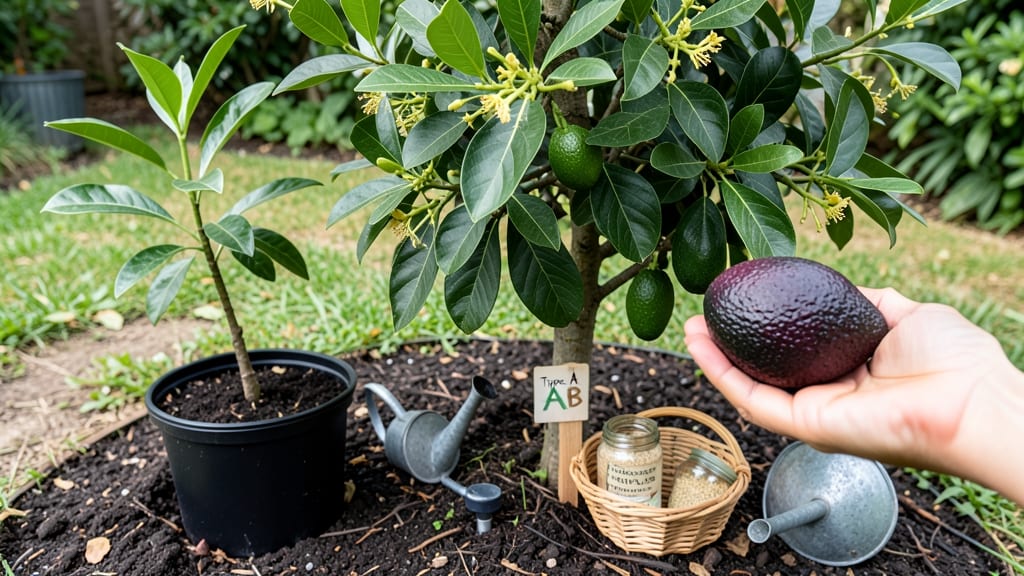
Getting your avocado tree to produce fruit isn’t about luck—it’s about timing, temperature, and a little science. ✨ Cold stratification tricks the tree into blooming faster, and I’ve used this method to turn my 3-year-old potted Hass into a fruit-bearing powerhouse by year 4.
Most gardeners wait years for flowers because they miss this critical step where cooler temps signal the tree it’s time to bloom.
The secret starts with your tree’s age and environment. Younger trees need patience (usually 3-5 years), but the right light, water, and soil can cut that timeline by half. Avocados thrive in full sun (6+ hours daily) and well-draining soil—sandy loam works best, even in containers.
Overwatering is the #1 killer of potential fruit production, so let the top 2 inches dry between waterings. Prune strategically in late winter to encourage airflow and flower development.
Once you’ve got the basics right, cold stratification is the game-changer. Place potted trees in a 40-50°F environment for 4-6 weeks (a garage or shaded patio works). This mimics winter chilling, triggering blooms in as little as 2 months.
You’ll see tiny purple flowers appear—each one a potential fruit. With proper pollination (hand-pollinate if you have only one tree), those flowers turn into fruit within 6-8 months.
Container growers, don’t worry—this works for you too. Just ensure your pot has drainage and use a 15-gallon minimum for mature trees. The same rules apply: light, soil, and that crucial cold snap.
My neighbor’s dwarf Mexican tree fruited in its second year using this exact method. The key? Consistency. Skip the cold treatment, and you’ll be waiting years for those creamy-green gems.
📚 In This Guide
- What you need
- Instructions
- Tips and common mistakes
- Wrapping up and next steps
What you need
- ● Avocado seed (or young tree) – A fresh, healthy seed (or a 1–3-year-old tree if starting from a nursery).
- ● Well-draining potting mix – A blend of peat moss, perlite, and coconut coir (or a cactus/succulent mix). Quantity: Enough to fill a 6–12" pot (start small!).
- ○ 6–12" nursery pot – With drainage holes (terracotta or plastic). Optional: Upgrade to a 15–20" pot as the tree grows.
- ● Spray bottle – For gentle watering (avocado seeds hate soggy soil!).
- ● Plastic wrap or humidity dome – To create a mini greenhouse effect during germination.
- ● Refrigerator (for cold stratification) – A cool, dark space (like the crisper drawer) to mimic winter chill.
- ● Bright, indirect sunlight – A south-facing window or grow lights (12–14 hours/day once sprouted).
- ● Balanced fertilizer – A low-nitrogen, high-phosphorus option (e.g., 5-10-10) for blooming. Apply: Every 4–6 weeks once the tree is established.
- ● Pruning shears – Sharp, clean scissors or small pruners (for shaping and encouraging branching).
- ● Soil moisture meter – Avocados hate overwatering—this keeps roots happy!
- ● Grow lights (LED full-spectrum) – If natural light is limited (especially in winter).
- ● Epsom salt (magnesium sulfate) – A teaspoon per gallon of water monthly boosts fruit production.
- ● Pollination aid – A small paintbrush or cotton swab (to hand-pollinate flowers if bees are scarce).
- ● Mulch (wood chips or straw) – Helps retain moisture and regulate soil temp in outdoor plantings.
Step-by-step guide to inducing avocado tree fruit production
Cold stratification is the secret weapon for breaking dormancy and triggering blooms—here's how to do it right.
🌱 Step 1: Verify Your Tree's Maturity and Variety
First, confirm your avocado tree is mature enough to fruit. Most varieties need 3-5 years of growth before they'll produce flowers. Look for thick, sturdy branches and a height of at least 6 feet—smaller trees simply lack the energy reserves for fruit production.
Check your tree's variety too. Some types, like Hass, are self-pollinating, while others like Fuerte need a second tree nearby. If you're unsure, observe the fruit shape and skin texture—Hass avocados develop bumpy skin when ripe, while other varieties stay smooth. This step ensures you're not wasting time on a tree that's biologically incapable of fruiting yet.
☀️ Step 2: Provide Optimal Growing Conditions
Avocado trees demand full sun exposure—at least 6-8 hours daily—to build the energy needed for flowering. If your tree sits in partial shade, move it to a sunnier location immediately. You'll notice leaves turning pale or yellowing when light is insufficient, and the tree will never develop the strength to bloom.
Temperature matters just as much. Avocados thrive in USDA Zones 9-11, with ideal daytime temps between 75-85°F. If you're in a cooler climate, grow your tree in a large container you can move indoors during winter. Cold drafts or temps below 50°F will shock the tree and delay—or prevent—flowering entirely.
💧 Step 3: Apply Cold Stratification for Dormancy Break
This is the game-changer. Avocado trees often need a cold period to trigger flowering, even in warm climates. Start by reducing water slightly for 4-6 weeks before the cooler months. Let the top 2 inches of soil dry out between waterings—this mimics natural seasonal changes and signals the tree to prepare for dormancy.
If your climate doesn't naturally drop below 50°F, replicate the effect by placing potted trees in an unheated garage or covered patio for 4-6 weeks. For in-ground trees, mulch heavily around the base with 3-4 inches of organic mulch to insulate roots and create a cooler microclimate. Watch for new leaf growth in spring—that's your cue the stratification worked.
✂️ Step 4: Prune and Fertilize for Energy Boost
Prune your tree in late winter or early spring to remove any dead, diseased, or crossing branches. Focus on opening the canopy to improve air circulation and sunlight penetration. Cut back no more than 25% of the foliage—aggressive pruning stresses the tree and reduces its ability to produce flowers.
Fertilize with a balanced, slow-release fertilizer (10-10-10 or similar) in early spring. Avocados are heavy feeders, but over-fertilizing with nitrogen will encourage leafy growth at the expense of flowers. Instead, aim for half the recommended dose and supplement with potassium-rich fertilizer (like 0-0-50) to support flowering. You'll see new, vibrant leaves forming—this means the tree is redirecting energy toward reproductive growth.
🌿 Step 5: Monitor for Flowering Cues and Pollination
Avocado flowers appear in spring, typically on new wood. Look for small, pale yellow or purple blossoms clustered near branch tips. These flowers are short-lived—often opening in the morning and wilting by afternoon—so be ready to act fast if you're hand-pollinating. Use a soft paintbrush to transfer pollen from one flower to another if no bees are present.
If your tree flowers but no fruit develops, check for thrips or mites, which can damage blossoms. Spray with neem oil if you spot tiny insects on the flowers. Patience is key—even with perfect conditions, it can take another 6-12 months for fruit to mature after flowering. Keep the soil consistently moist (but not soggy) and avoid heavy pruning during this period to support fruit development.
Tips & tricks for faster avocado tree blooming
These insider tricks will help you coax your avocado tree into flowering faster—without wasting time on immature trees or missed cues.
Maturity Check: Don't rush—avocado trees need 3-5 years to mature enough for fruiting. Look beyond just height: mature trees have thick, sturdy branches (at least 1 inch in diameter) and a trunk circumference of 6+ inches. I've seen many gardeners impatiently force-bloom young trees only to get frustrated when nothing happens. Young trees simply lack the energy reserves to produce fruit.
Sunlight Optimization: The 6-8 hours of direct sunlight requirement is non-negotiable, but here's the secret: position your tree to get morning sun exposure first. The cooler afternoon light helps prevent leaf scorch while still providing the energy boost needed for flowering. If you're in a hot climate, provide afternoon shade during peak summer months to prevent stress.
Cold Stratification Hack: For potted trees in warm climates, create a DIY cold chamber using a large cardboard box with a thermometer inside. Place your potted tree inside and monitor temps—you want 50-55°F for 4-6 weeks. I've used this method successfully in Florida where natural cold periods don't occur. The key is consistency: avoid temperature fluctuations greater than 5°F daily.
Pruning Precision: When pruning in late winter, focus on removing only dead or crossing branches—never more than 25% of foliage. I learned this the hard way after over-pruning and watching my tree struggle to recover. The goal is to open the canopy for better light penetration, not to create a bonsai. Prune just enough to see light-colored bark through the branches.
Pro Tips for Get Avocado Tree To Produce Fruit
- These insider tricks will help you coax your avocado tree into flowering faster—without wasting time on immature trees or missed cues.
- Maturity Check: Don't rush—avocado trees need 3-5 years to mature enough for fruiting.
- Sunlight Optimization: The 6-8 hours of direct sunlight requirement is non-negotiable, but here's the secret: position your tree to get morning sun exposure first.
Frequently asked questions
Got questions about coaxing fruit from your avocado tree? You’re not alone! Here are answers to the most common concerns—from patience to troubleshooting—so you can grow those creamy, dreamy avocados sooner.
How long does it take for an avocado tree to produce fruit?
Patience is key! Most avocado trees take 3–4 years to bear fruit from seed, while grafted varieties (like Hass) can fruit in 1–2 years with ideal care. Cold stratification and proper pollination speed up the process—so don’t rush it!
Why isn’t my avocado tree blooming?
Blooming requires specific triggers: consistent temps (60–85°F), 12+ hours of daylight, and a dormancy period (mimic winter with cooler nights). If your tree’s not blooming, check for nutrient deficiencies (like zinc or nitrogen) or overwatering, which can stress roots. Prune strategically to encourage airflow and energy toward flowers.
Do avocado trees need pollinators to produce fruit?
Yes! While some varieties are self-pollinating, bees and wind boost fruit set. Plant a second tree (like a Fuerte or Hass) nearby to cross-pollinate. If pollinators are scarce, gently hand-pollinate with a small brush. Pro tip: Shake branches lightly during bloom to encourage natural pollination.
Can I grow an avocado tree indoors and still get fruit?
Indoor avocado trees (from pits) rarely fruit because they lack seasonal triggers (like cold nights) and sunlight. For fruit, outdoor planting is essential—aim for 6+ hours of direct sun daily. If you love your indoor tree, enjoy it as a houseplant and save fruit-growing for a sunny patio or garden!
What should I do if my avocado tree has fruit but they’re falling off?
Falling fruit often signals stress—check for overwatering, pests (like mites), or nutrient imbalances. Thin remaining fruit to 3–4 per cluster to help the tree focus energy. If flowers drop before fruiting, your tree may need more phosphorus (use a balanced fertilizer like 10-10-10). Keep temps stable and monitor for common pests.
Wrapping up and next steps
Growing an avocado tree that bears fruit is a rewarding journey—one that combines patience, care, and a little scientific know-how! 🌱 By mastering cold stratification, optimizing light and nutrients, and pruning strategically, you’re setting your tree up for success.
Remember, consistency is key, and even small adjustments can make a big difference over time.
Now that you’re armed with these tips, take the next step: monitor your tree’s progress, adjust as needed, and celebrate every new leaf or bud! With dedication, your avocado tree could soon be heavy with fruit—just like a pro gardener’s dream. Happy growing! 🌟