
Flowers
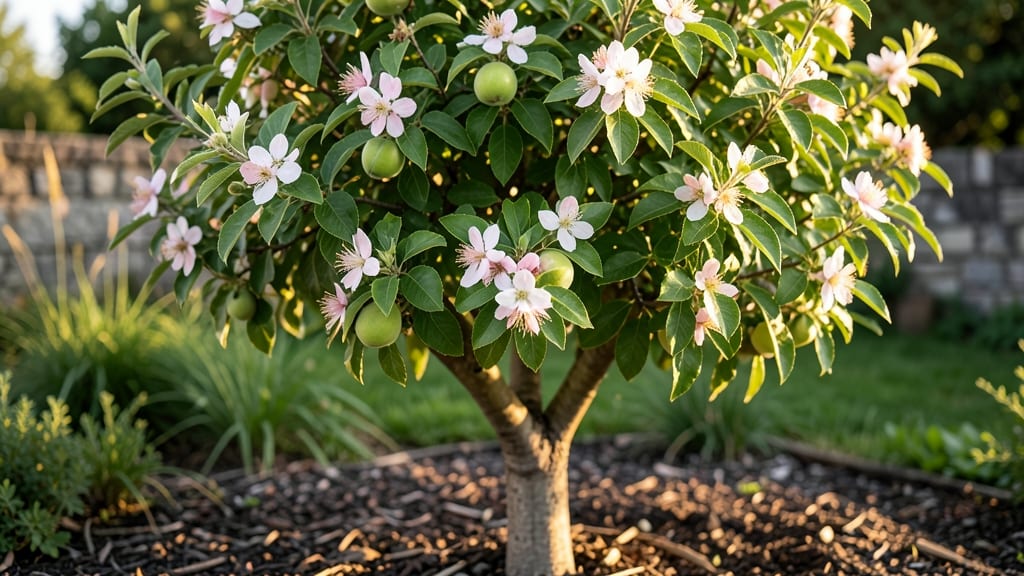
Peach tree flowers do turn into fruit when properly pollinated and given ideal growing conditions. Each blossom transforms into a peach over 60-90 days, though many may drop naturally from lack of pollinators, disease, or environmental stress.
Peach tree blossoms follow a fascinating biological journey from flower to fruit, but this process isn't automatic. 🌸 Successful fruit development depends on effective pollination—whether by bees, wind, or even hand-pollination in some cases.
Once pollinated, the flower's ovary begins swelling into a peach, but this stage is highly sensitive to temperature swings and water stress. I've seen gardens where 90% of blossoms drop before reaching maturity simply because of late spring frost or drought conditions.
What many gardeners don't realize is that peach trees often produce more blossoms than they can support. This natural "thinning" process helps the remaining fruit grow larger and healthier.
The key to maximizing your harvest lies in creating optimal growing conditions—proper spacing between trees for airflow, strategic pruning to encourage sunlight penetration, and planting pollinator-friendly flowers nearby to attract bees during bloom season.
💡 In This Article
- How Peach Blossoms Develop Into Fruit: The Pollination Process
- Maximizing Peach Fruit Production: Best Practices for Gardeners
How peach blossoms develop into fruit: the pollination process
Peach tree flowers begin their transformation into fruit through a precise biological process that starts with their unique anatomy. Each blossom contains both male and female reproductive parts—pistils (female) with a stigma and style, and stamens (male) that produce pollen.
For fertilization to occur, pollen must transfer from the stamens to the stigma, a process that typically requires either bees (the most effective pollinators) or wind. Bees are particularly efficient because they carry pollen between blossoms on different trees, increasing genetic diversity and fruit quality.
The actual fertilization happens when pollen grains germinate on the stigma, forming pollen tubes that grow down through the style to reach the ovary. This process takes about 24-48 hours under ideal conditions of 60-85°F temperatures and moderate humidity (50-70%).
Once fertilized, the ovary begins swelling as it develops into a peach, while the petals drop away—a natural process called "fruit set." What's fascinating is that only about 10-30% of blossoms typically complete this process successfully, with the rest dropping due to insufficient pollination or environmental stress.
Temperature plays a critical role during this stage. Peach blossoms are particularly sensitive to late spring frosts, which can damage developing fruit. I've observed that temperatures below 28°F during bloom can cause blossom death, while heatwaves above 95°F can disrupt pollen viability.
Even slight variations in humidity affect the pollen's ability to adhere to stigmas—too dry, and the pollen becomes brittle; too wet, and it clumps together. This is why peach orchards often see higher fruit set in regions with stable spring weather patterns.
Here's what happens at the cellular level: Once pollinated, the ovary's cells begin rapid division and expansion, forming the peach's flesh. The seed develops from the fertilized ovule, while the outer layers become the skin.
This growth phase lasts about 60-90 days, during which the fruit requires consistent water and nutrients. The tree's energy allocation becomes critical—if too many blossoms set fruit, the tree may drop some to conserve resources, a natural mechanism to ensure quality over quantity.
One common misconception is that all peach blossoms will become fruit. In reality, trees often produce more blossoms than they can support. This natural "thinning" occurs when the tree prioritizes resource allocation.
For example, a single peach tree might produce 50,000 blossoms but only yield 2,000-5,000 peaches—a 90% natural reduction. This selective process helps the remaining fruit grow larger and develop better flavor, as the tree focuses its energy on fewer, higher-quality fruits.
The entire process from pollination to harvest involves a delicate balance of biological and environmental factors. Understanding these stages helps explain why some peach trees produce abundant fruit while others struggle, even under similar growing conditions. 🌱