
Propagation
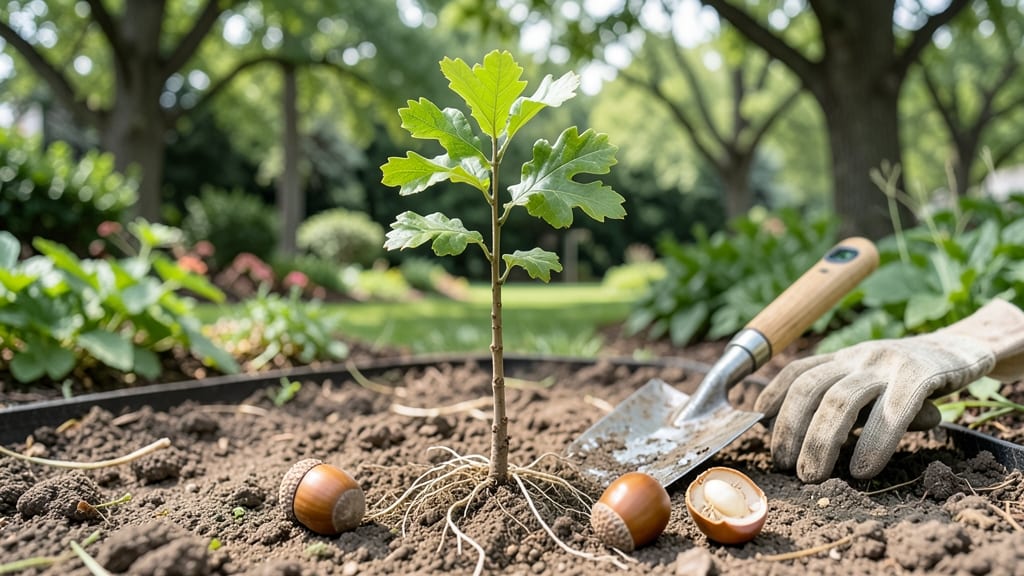
To grow a white oak tree from acorn, you'll need to cold-stratify it for 60-90 days, plant it in well-drained soil, and exercise patience—sprouts typically emerge in 2-3 weeks, though full maturity takes decades. Starting indoors in fall for spring transplanting gives seedlings the best chance to thrive.
White oak acorns have a built-in survival mechanism: their hard shells protect the seed but also require a winter chill period to break dormancy. 🌰 This cold stratification process mimics nature by exposing the acorn to 34-41°F temperatures for 2-3 months, tricking it into thinking winter has passed.
The trickiest part? Acorns from younger trees often need the full 90 days, while those from mature trees may sprout faster—so don't rush the process. Once sprouted, these seedlings need consistent moisture but hate soggy soil, which is why well-drained locations are critical for their first few years.
After your acorn sprouts indoors, timing becomes everything. Transplanting too early risks shock, while waiting too long can stunt root development. 🌱 Aim for late spring when soil temperatures reach 60°F—this gives young roots time to establish before summer heat sets in.
The first year is particularly vulnerable, so I recommend creating a protected microclimate with mulch and drip irrigation to keep moisture levels steady and deter hungry critters.
💡 In This Article
- White Oak Acorn Germination Science and Stratification Process
- Outdoor Planting and Long-Term White Oak Care Guide
White oak acorn germination science and stratification process
White oak acorns enter a natural state of dormancy that prevents premature sprouting—a survival adaptation for species that rely on seasonal cycles.
This dormancy is triggered by the acorn's hard shell and chemical inhibitors that only break down after exposure to prolonged cold. 🌰 The stratification process mimics winter conditions by subjecting acorns to 34-41°F temperatures for 60-90 days, which activates enzymes that degrade these inhibitors.
Unlike red oaks (which require 90-120 days), white oaks typically need 20-30% less time because their acorns contain slightly lower levels of tannins, the compounds that delay germination.
The moisture content during stratification is equally critical—acorns should remain damp but not soggy, with moisture levels around 30-40% by weight. This moisture triggers metabolic changes in the embryo while preventing fungal growth.
I've found that wrapping acorns in a damp paper towel inside a sealed plastic bag works best, as it maintains consistent humidity without creating anaerobic conditions. The key is to check weekly and rewet if the towel feels dry—over-saturation can lead to mold, which kills the embryo before germination.
Acorn hardness plays a surprising role in germination success. Harder acorns (from mature trees) often require the full 90-day stratification period because their shells are thicker and contain more tannins.
Softer acorns (from younger trees) may sprout in as little as 60 days, but they're more prone to mold if not monitored carefully. 🔥 The stratification period also helps break the seed coat's physical barrier, allowing water to penetrate during the actual germination phase.
This is why some gardeners lightly nick the acorn shell with a knife—it mimics nature's gradual wear from frost cycles, but should only be done if the acorn has completed its full cold treatment.
Once stratification is complete, the acorn enters a metabolic rush as the embryo prepares to break through the shell. This is when you'll see the first signs of life—a tiny white root (radicle) emerging first, followed by the shoot.
The timing can vary by 1-2 weeks depending on the acorn's age and storage conditions, but most white oaks will show sprouts within 2-3 weeks of being planted in warm soil (68-72°F).
The radicle's emergence is particularly sensitive to temperature fluctuations, so maintaining a stable environment is crucial during this phase.
What most people don't realize is that white oak acorns contain abscisic acid, a plant hormone that suppresses germination until conditions are ideal.
During stratification, this hormone breaks down while gibberellins (growth-promoting hormones) increase—this hormonal shift is what actually triggers the sprouting process. 💫 The balance between these two hormones explains why some acorns from the same tree may germinate at different times, even under identical conditions.
This natural variability is why gardeners often plant multiple acorns together, increasing their chances of successful germination.
For optimal results, I recommend using acorns collected in late fall (October-November) when they've had time to mature but haven't yet been exposed to extended freezing.
Acorns stored at 35-40°F in a moist medium (like sand) maintain viability for up to 6 months, though germination rates drop after 3 months of storage.
The fresher the acorn, the higher the success rate—this is why many professional nurseries source their white oak acorns directly from mature trees in the wild rather than using store-bought varieties.