
Propagation
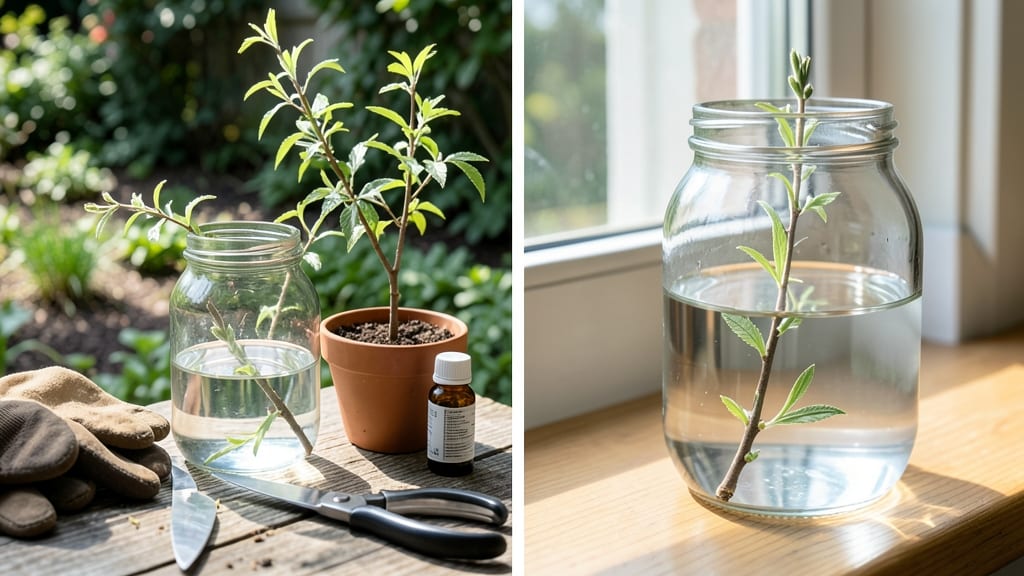
Growing a willow tree from a branch is faster than you’d think—just 3-4 weeks in water to see roots forming. 🌱 I’ve propagated willows this way every spring, and the secret is choosing the right branch and keeping it hydrated.
The flexible, fast-growing nature of willows makes them perfect for this method, but timing matters to avoid rot.
Start with a 12-18 inch green branch from a healthy willow tree, cut just after the sap starts flowing in early spring. Strip the lower leaves and place it in a jar of water, changing the water every 2-3 days to prevent bacteria.
Willow roots grow aggressively once they start—you’ll notice tiny root hairs within days.
Once roots reach 3-4 inches, it’s time to plant in moist, well-draining soil. Willow trees love water but hate soggy roots, so mix in some compost for nutrients.
Prune any weak growth early on to encourage a sturdy trunk, and expect your tree to shoot up 6-12 feet in its first year.
Common challenges? Rot is the biggest threat—if your branch turns mushy, start over with a fresh cut. Slow growth? Try a nutrient-rich soil mix or move it to a sunnier spot. With willows, patience pays off—you’ll have a towering shade tree in no time.
📚 In This Guide
- What you need
- Instructions
- Tips and common mistakes
- Wrapping up and next steps
What you need
- ● Willow branch: A healthy, green (not dried) willow cutting, 12–18 inches long, with at least 3–5 nodes (swollen areas where leaves grow). Weeping willow or crack willow branches work best!
- ● Container: A clean, wide-mouthed jar, vase, or bucket (at least 6–8 inches deep) to hold water. Clear containers let you monitor root growth!
- ● Water: Room-temperature, chlorine-free water (let tap water sit out for 24 hours if chlorinated).
- ● Pruning shears or sharp knife: For cleanly cutting the branch at a 45-degree angle just below a node.
- ○ Rooting hormone (optional but helpful): A powder or gel to speed up root development (follow package instructions).
- ● Pebbles or small stones: Place a layer at the bottom of the container to improve drainage and oxygen flow.
- ● Hydrogen peroxide (3% solution): A few drops in the water can prevent bacterial growth and keep it fresh longer.
- ● Planting pot and soil: For transplanting once roots are 2–3 inches long (well-draining potting mix or a mix of soil and sand).
- ● Sunlight gauge: A spot with partial sun (4–6 hours of indirect light daily) for the container.
Step-by-step instructions for growing a willow tree from a branch
Here's the quick method I swear by—willow cuttings root in water like magic, and you'll have a tree in no time.
🌱 Step 1: Select and Prepare the Willow Branch
Choose a healthy, flexible branch about 4-6 feet long with 3-4 buds along its length. Willow branches root best when they're still green and plump, not dried out. Look for stems that bend without snapping—this tells you they're young and full of life. Use clean, sharp pruners to cut the branch at a 45-degree angle just below a bud.
Remove any leaves from the lower 6 inches of the branch. Leaves in the water will rot and cloud it, slowing root growth. Strip them gently with your fingers or pruners. You want the lower part bare so it can focus all its energy on growing roots instead of supporting foliage.
💧 Step 2: Submerge the Branch in Water
Fill a clean container—like a jar, vase, or bucket—with room-temperature water. The container should be wide enough to hold the branch upright without tipping. Submerge the bottom 4-6 inches of the branch, making sure at least 2-3 buds are underwater. This is where the roots will sprout.
Change the water every 3-4 days to keep it fresh and oxygenated. Stagnant water breeds bacteria that can rot your cutting before roots form. Place the container in a spot with bright, indirect light—like a windowsill away from harsh midday sun. You'll see tiny white roots peeking out in 2-4 weeks, sometimes even faster.
🌿 Step 3: Encourage Root Growth and Transplant
Once the roots reach 2-3 inches long, it's time to transplant. Willow roots grow fast, so don't wait too long—long roots can get tangled and stressed. Fill a pot with well-draining soil (a mix of potting soil and perlite works great) and dig a hole just deep enough to bury the rooted section of the branch.
Water the soil well after planting, then place the pot in a shady spot for the first week to help it adjust. After that, gradually introduce it to full sun over the next few days. Keep the soil moist but not soggy—willow trees love water but hate sitting in it. You'll know it's thriving when new leaves start sprouting from the buds.
⏰ Step 4: Maintain Your Young Willow Tree
Water your willow tree deeply once a week, giving it enough water to soak the soil to a depth of 6-8 inches. Willow trees have shallow roots, so consistent moisture is key. Fertilize lightly with a balanced, water-soluble fertilizer every 4-6 weeks during the growing season (spring and summer).
Prune any dead or weak branches in early spring to encourage strong growth. Willow trees grow fast, so you might need to trim them back in late winter to keep them manageable. If you planted multiple cuttings, space them 10-12 feet apart once they're established to give them room to grow into sturdy trees.
Tips & tricks for growing willow trees from branches
Real talk: Willow trees are some of nature's easiest plants to propagate, but a few small details make all the difference between success and disappointment.
Branch Selection Matters: I can't stress enough how important it is to choose branches that are 4-6 feet long with 3-4 buds. These buds are where your roots and new growth will emerge. I've tried thinner branches, and they either don't root or produce weak trees. Look for branches that are still green and plump—anything dried out or woody will struggle. The 45-degree angle cut below a bud is crucial too; it increases surface area for water uptake and root formation.
Water Quality and Lighting: Room-temperature water is non-negotiable—cold water can shock the branch and slow root growth. I've learned the hard way that bright, indirect light is key; harsh sunlight can overheat the water and encourage algae growth. Place your container near a north-facing window or under grow lights if natural light is limited. The 3-4 day water change schedule keeps things fresh, but I've had success extending this to 5 days if I add a small air stone for oxygenation.
Root Growth Timing: Those 2-4 weeks for roots to appear can feel like an eternity, but patience pays off. I check for roots by gently lifting the branch—if you feel resistance, roots are forming! Once they hit 2-3 inches, don't delay transplanting. Longer roots get tangled and stressed, which can stunt your young tree's growth. I've seen willow roots grow 1 inch per week in ideal conditions, so don't wait too long.
Transplanting Wisdom: When it's time to move your cutting to soil, handle it gently—roots are delicate! I bury the rooted section just deep enough to cover the roots but leave the buds above soil level. The first week in shade helps reduce transplant shock, but willows are tough and adapt quickly. I've found that willows planted in spring establish faster than those transplanted in fall, so time your move right.
Pro Tips for Grow A Willow Tree From A Branch
- Real talk: Willow trees are some of nature's easiest plants to propagate, but a few small details make all the difference between success and disappointment.
- Branch Selection Matters: I can't stress enough how important it is to choose branches that are 4-6 feet long with 3-4 buds.
- Water Quality and Lighting: Room-temperature water is non-negotiable—cold water can shock the branch and slow root growth.
Frequently asked questions
Got questions about growing a willow tree from a branch?
You’re not alone—this method is simple but has a few quirks! Here are answers to the most common concerns to help you succeed.
Can I grow a willow tree from any branch, or does it need to be a specific type?
Willow trees are easy to propagate, but green, flexible branches (1–2 feet long) work best—avoid woody or dried-out cuttings. Look for branches from the current season’s growth (softwood) for the highest success rate. If you’re unsure, ask a local nursery for help identifying your willow type!
How long does it take for roots to form in water?
Roots typically appear in 2–4 weeks, but some willows (like weeping willows) may sprout roots in just 10–14 days! Keep the water fresh and the cutting in indirect light. If no roots form after 6 weeks, try trimming the bottom 1–2 inches and restarting the process.
What if my willow cutting rots in water instead of rooting?
Rotting is common if the water is stagnant or bacteria-laden. Change the water every 3–5 days and trim any mushy parts. Use a small fan to improve air circulation or add a few drops of hydrogen peroxide (3%) to the water to prevent rot.
Can I plant my rooted willow cutting directly in soil, or should I wait?
Once roots are 2–3 inches long, you can transplant to soil—spring or early fall are ideal. Harden off the cutting first by placing it near sunlight for a few hours daily. Choose a moist, well-draining spot with partial shade to help it establish before full sun.
What if I don’t have a vase or jar for water propagation?
No problem! Use a plastic bottle with the bottom cut off, a ziplock bag with water, or even a glass jar with a rubber band to hold the branch. Just ensure the bottom 1–2 inches stay submerged in water. Creativity works—just keep it simple!
Wrapping up and next steps
Growing a willow tree from a branch is a rewarding journey that combines patience and simple care—perfect for beginners! 🌱 With just a few supplies and a little attention, you can nurture a thriving tree from a single cutting.
The key is consistency: keep your branch hydrated, protect it from harsh elements, and watch as roots sprout and grow.
Now that you’re ready to start, grab that branch and give it a try! Once your willow has rooted, transplant it into soil and continue nurturing it. Before you know it, you’ll have a stunning, fast-growing willow tree to enjoy for years to come. Happy growing! 🌿